
Reviewed · SANTIAGO CITY TOURS
Santiago: Guided City Tour through the historic center of Santiago
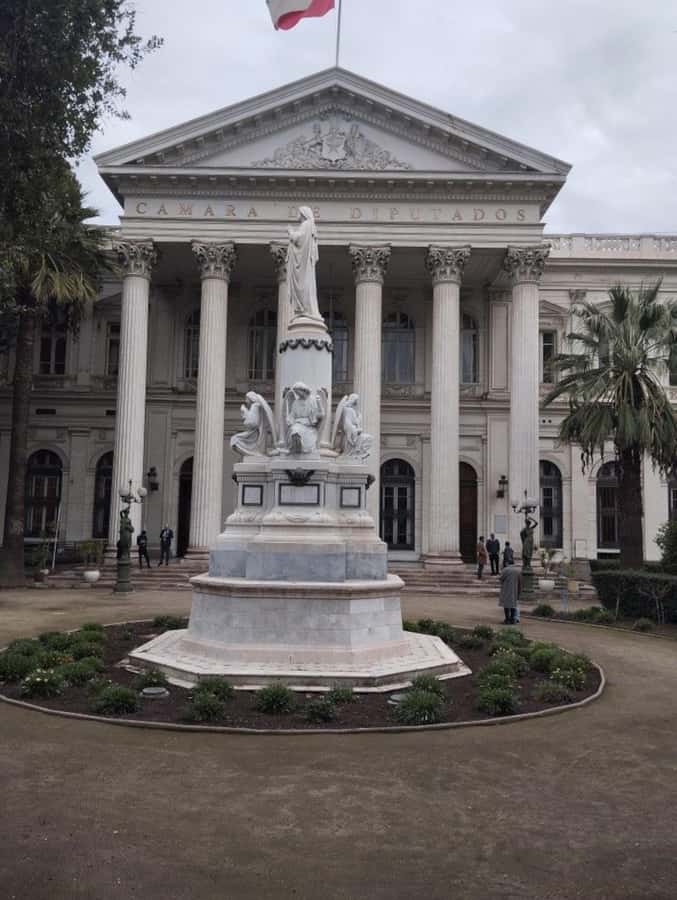
Santiago’s past comes alive on foot here, from the grand government buildings around La Moneda to the city views at Santa Lucía Hill. I like the small group of no more than 10 people, and I like the route’s mix of major sights, colorful streets, monuments, and local stories. The main thing to watch is the timing: the experience is advertised as two hours, but the listed stop times add up to much longer, so the actual pace and time inside certain sites may vary.
I also like the low price of $25 per person, especially if you want a quick orientation before exploring Santiago on your own. Guide Marco receives especially warm praise for his friendly manner and historical references, while English communication may be less polished with some guides, including Andre Luiz.
Key points at a glance
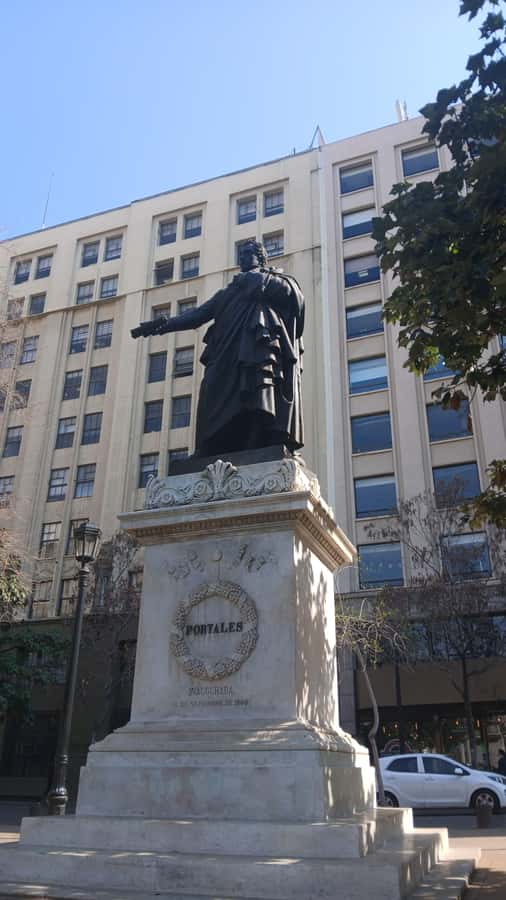
- La Moneda to Santa Lucía Hill: The route crosses the historic center from Chile’s government palace to one of Santiago’s best-known hills.
- A small group of 10 or fewer: You have a better chance to hear the guide and ask questions than on a large city walk.
- Strong historical focus: Plaza de Armas, the Metropolitan Cathedral, the National Historical Museum, and the Stock Exchange all bring different parts of Santiago’s past into view.
- Marco is a particularly promising guide choice: His Portuguese-language tour received praise for clear communication and useful historical references.
- Three advertised languages: You can book with a Portuguese, Spanish, or English-speaking guide, though English fluency may vary.
- A good first look for $25: The price is modest, but you should confirm the exact schedule because the published stop lengths do not neatly fit a two-hour tour.
Starting at La Moneda, Santiago’s political heart
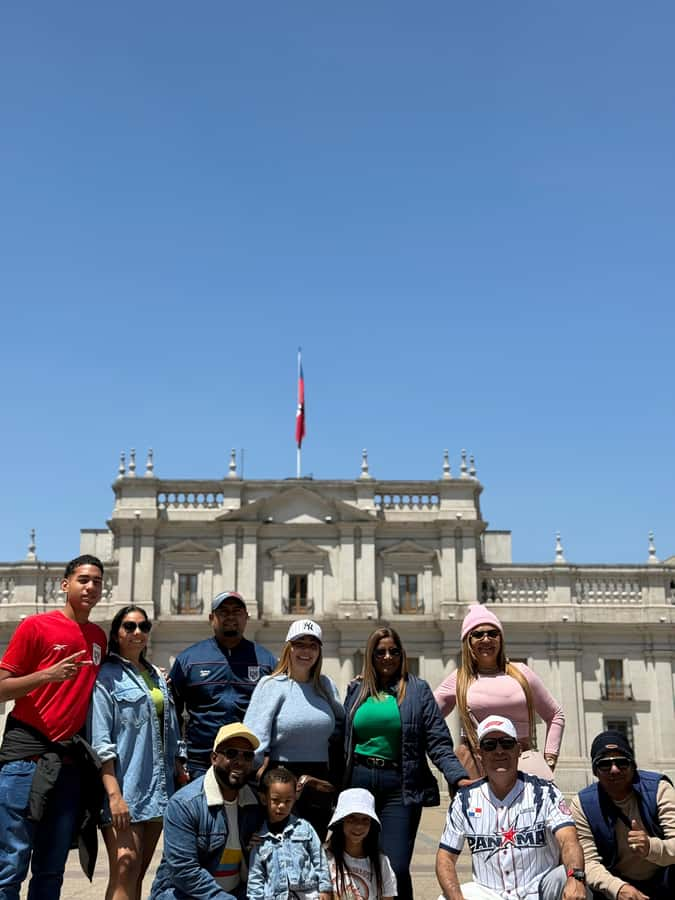
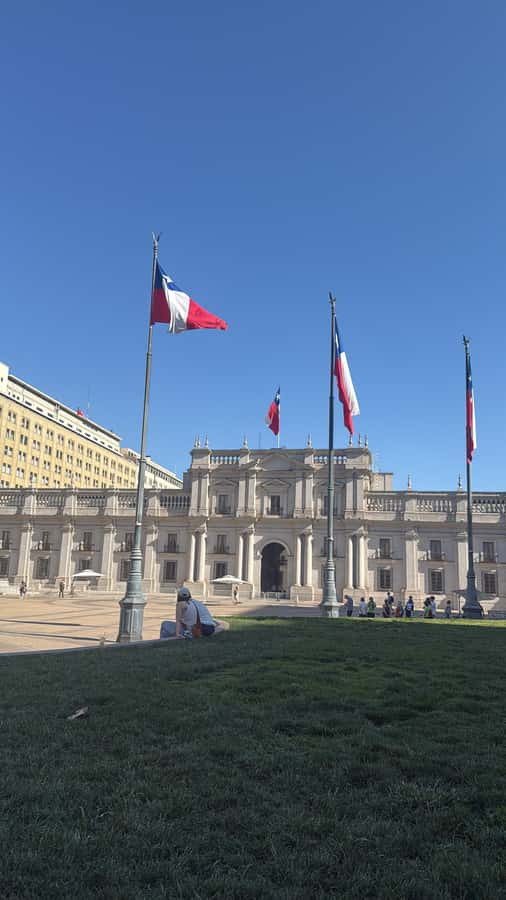
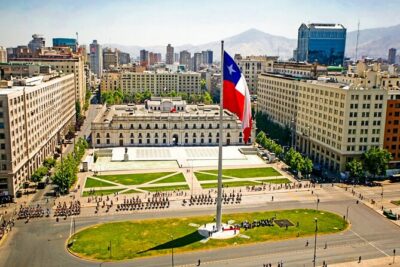
The walk begins at the Palacio de La Moneda, Chile’s seat of government and one of Santiago’s most important civic buildings. Even before the tour gets moving, this gives you a useful frame for the city. Santiago is not only about old churches and colonial streets. Its center also carries the weight of national government, public monuments, and major political events.
Your guide sets the tone here with stories about the building and its place in Chilean life. Since the tour focuses on architecture and monuments, expect the explanation to go beyond taking a quick photograph. You are there to connect the building’s appearance with the story of the city around it.
La Moneda is also a practical starting point. It gives you a clear central reference point, and the walk then leads toward several of Santiago’s best-known public spaces. Wear comfortable clothes and bring water. This is a walking tour, and even a short route can feel tiring if you are carrying luggage or wearing stiff shoes.
More City Tours in Santiago
- Private Santiago City Half Day Tour
★ 4.0 · 414 reviews - Traditional City Tour
★ 5.0 · 58 reviews - Santiago: City Highlights Walking Tour
★ 4.2 · 51 reviews
The Stock Exchange and the city’s grand civic buildings
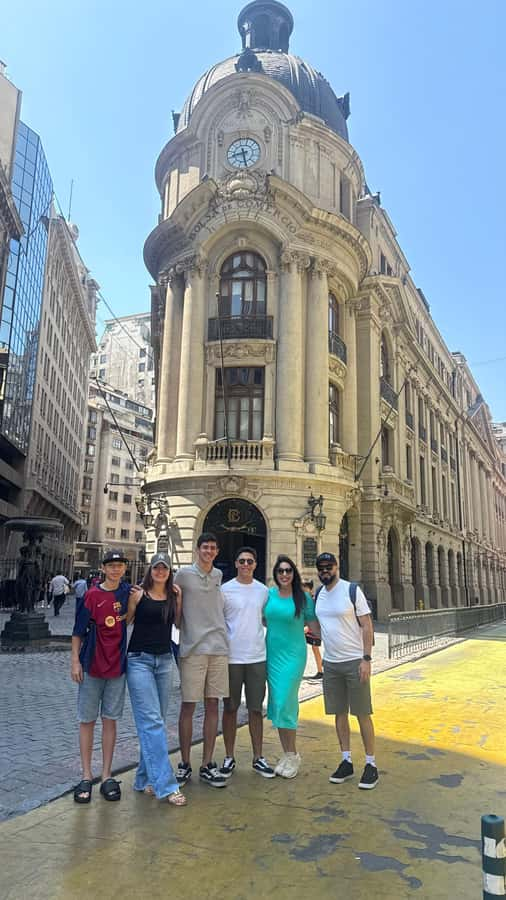
The next named stop is the Bolsa de Comercio de Santiago, or Santiago Stock Exchange, with a scheduled photo stop of about 20 minutes. This is a good place to notice how Santiago’s historic center combines business, government, and public life within a compact area.
The Stock Exchange adds a different mood from La Moneda. Instead of government power, you are looking at the financial side of the capital. The building also gives the guide another chance to explain the city through architecture. You can compare its formal design with the churches, civic buildings, and open plazas later in the walk.
The published route includes several additional photo and guided stops after this point. Their names are not all specified, so your guide’s commentary matters a great deal. This is where a small group helps. You can ask what a building is, why a street matters, or how a monument fits into the wider story of Santiago.
If you want a tour packed with long interior visits, this may not be the right format. If you prefer to move through the center while learning how the pieces connect, the stop-and-walk pattern makes sense.
Calle Nova Iorque and Santiago’s unexpected street details
Calle Nova Iorque is one of the more unusual names on this route. A street with a name linked to New York adds a small surprise to a tour otherwise centered on Chilean history and Spanish colonial influence.
This kind of stop is valuable because it breaks up the grand monuments. You get a look at the everyday urban texture of the center, not just the official highlights. The guide can point out details you might pass without noticing, including architecture, street layout, and the stories behind familiar-looking corners.
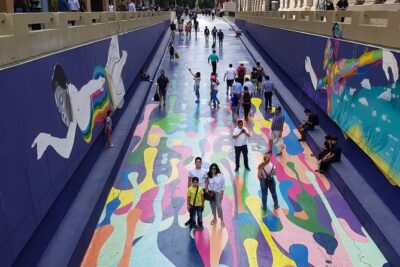
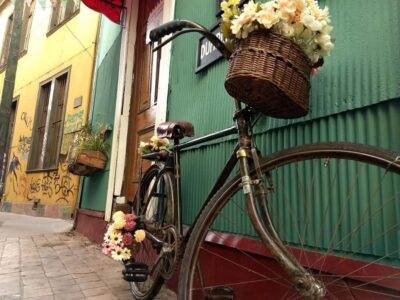
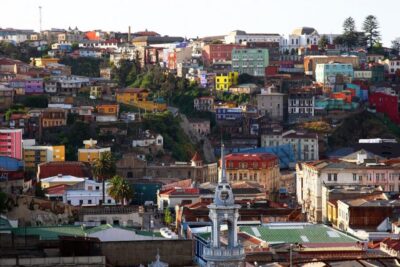
The experience also includes Calle Colorida, described as one of the places where you can admire Santiago’s beauty and character. The exact features of the street are not specified, so it is best to think of this as a visual stop rather than expect a particular attraction or performance.
These shorter stops may be especially useful if you are new to Santiago. They help you get oriented without requiring a separate ride between every sight. You see the center as a connected place instead of a checklist of isolated buildings.
Plaza de Armas, the city’s main historic stage
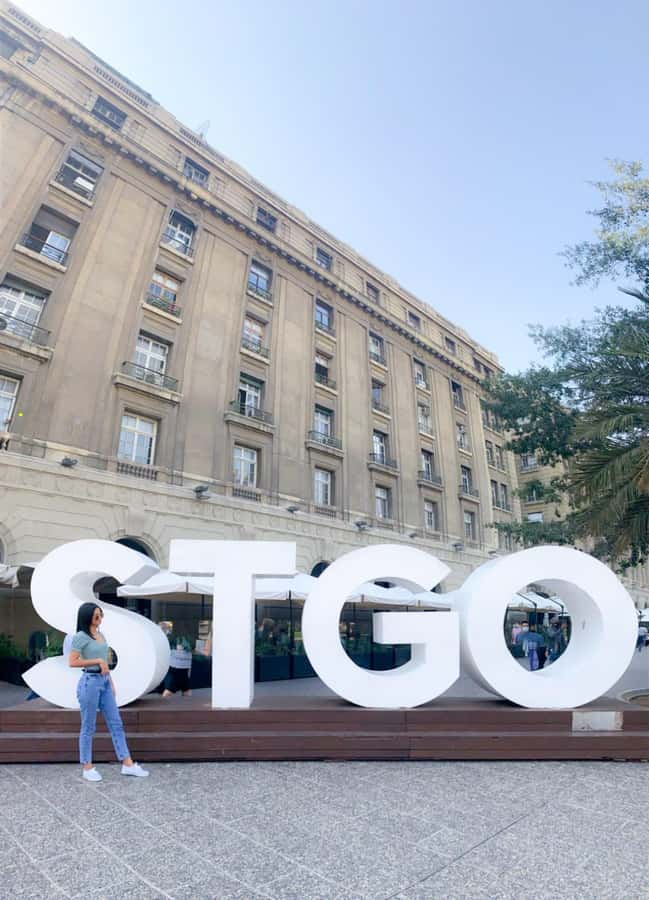
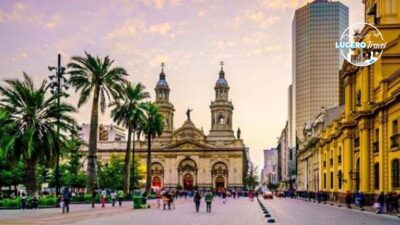
The tour spends about 20 minutes at Plaza de Armas, the historic center’s main public square. This is likely the point where the route feels most recognizably Santiago.
Plaza de Armas brings together several of the city’s major institutions and monuments. It is a natural place for the guide to explain how Santiago developed around a central square and why this part of the city still matters. Look around rather than keeping your attention only on the guide. The surrounding architecture and public activity help show how the old center continues to function as part of modern Santiago.
I like this stop because it gives you a strong sense of scale. La Moneda and the Stock Exchange introduce the city’s civic and financial sides, but Plaza de Armas shows how public space ties those parts together. It is also a useful place to pause, take photographs, and ask about the buildings you will see later.
The schedule lists a guided visit here, but the tour’s total duration is only two hours. That creates some uncertainty. The 20-minute figure may be an approximate maximum, or the full route may sometimes run longer. Ask the guide at the start how much time is planned at each site if you have another booking afterward.
More sightseeing days around Santiago
- Santiago: The Essentials City Tour & Optional Concha y Toro
★ 3.4 · 40 reviews - Private Santiago City Tour with Cable Car
★ 5.0 · 36 reviews - Half Day Santiago City Tour
★ 4.5 · 36 reviews - Santiago: Highlights Private City Tour
★ 4.8 · 20 reviews
Santiago Metropolitan Cathedral and the story inside the center
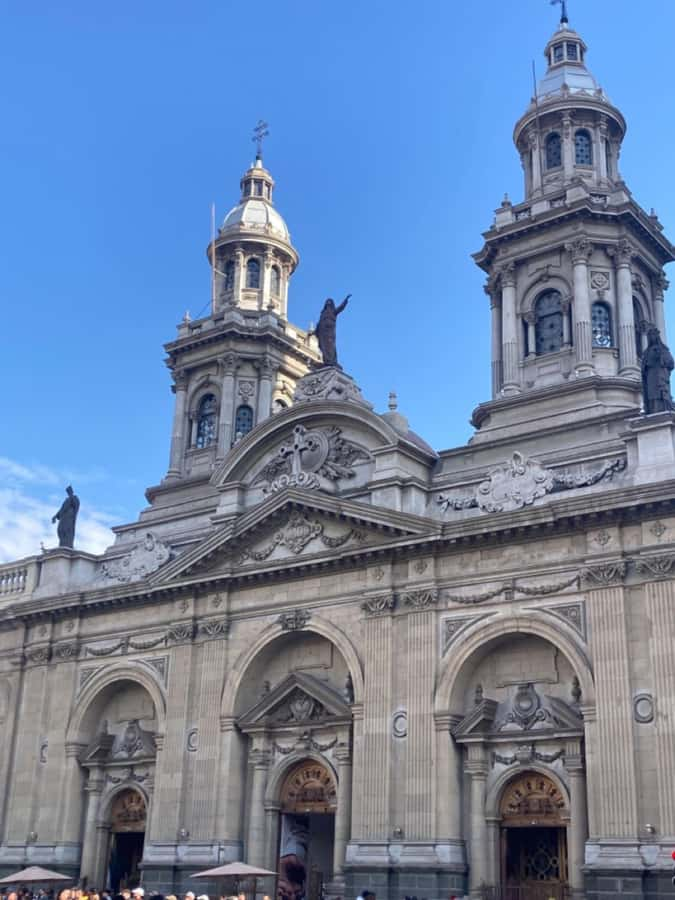
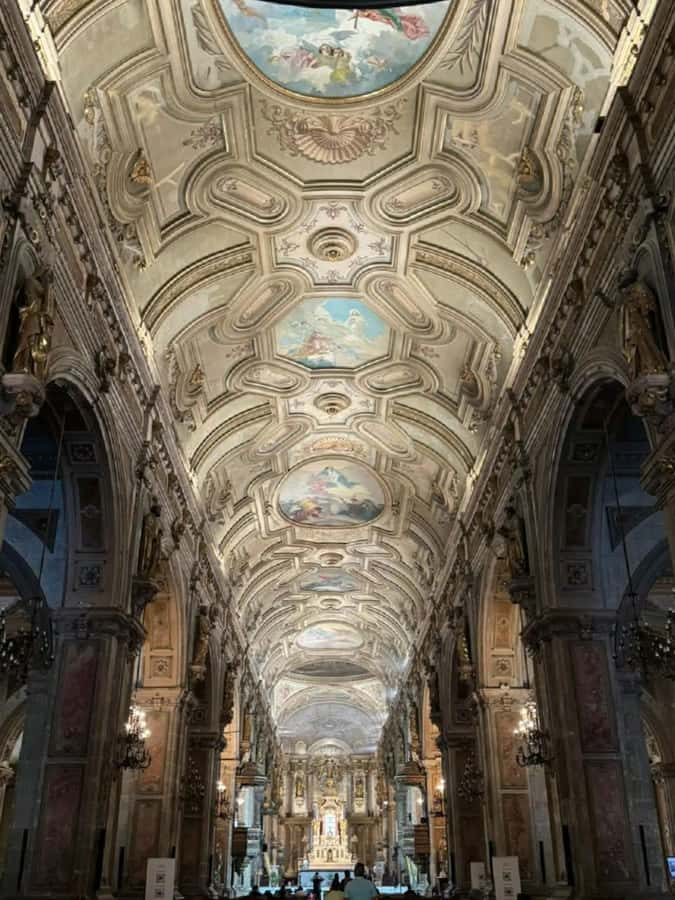
The Santiago Metropolitan Cathedral follows Plaza de Armas, with about 20 minutes listed for a photo stop and guided visit. This is an important change of pace. After open civic spaces and business buildings, you turn to a religious monument that helps explain another side of Santiago’s past.
The cathedral gives the guide a chance to discuss architecture, worship, and the way religious buildings shaped the historic center. You can expect time to admire the exterior and, if access allows, see part of the interior during the guided visit. The supplied information does not promise a special admission or a private entry, so treat the stop as a guided look rather than a guaranteed extended museum-style visit.
For you, the main benefit is context. A cathedral can be easy to photograph and forget. A good explanation makes its design and position in the square mean more. This is one reason the guide quality matters so much. Marco is praised for filling the walk with historical references and for making attractive places feel more meaningful.
The National Historical Museum and the schedule question
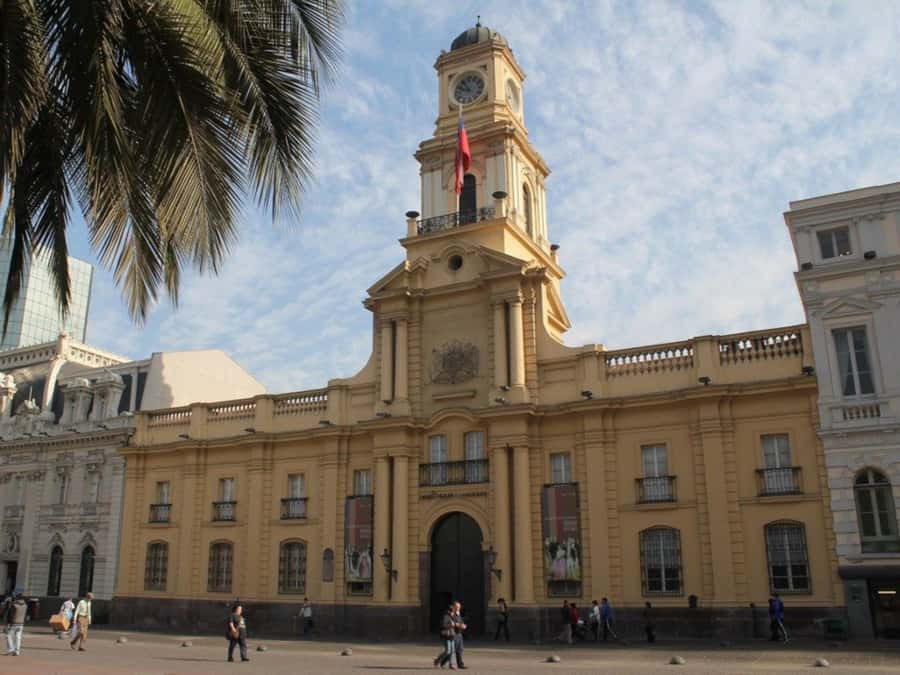
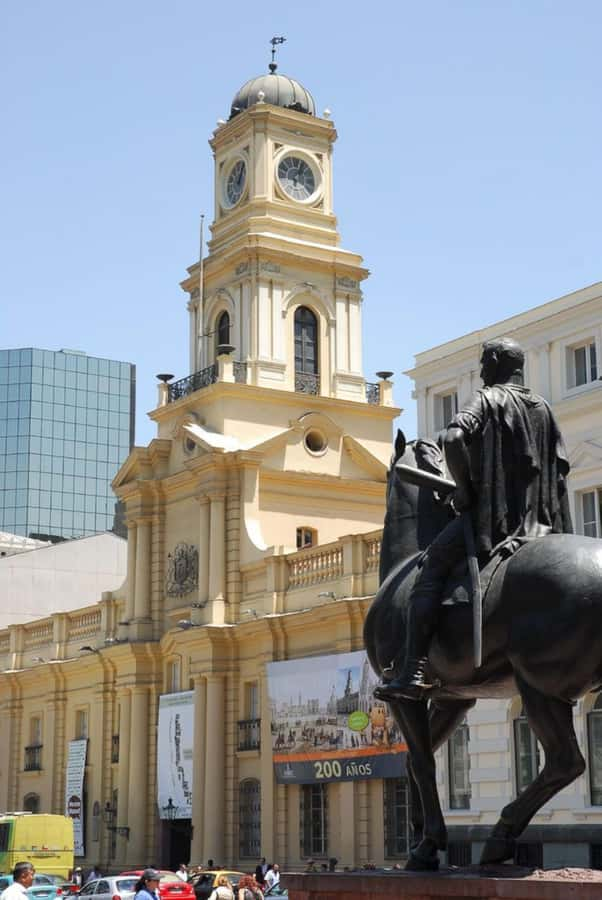
The route then reaches the Museo Histórico Nacional, or National Historical Museum, with a listed 50-minute photo stop and guided visit. This is the most substantial museum time shown in the schedule and could become one of the strongest parts of the experience.
A museum focused on Chilean history can give you background that the streets alone cannot provide. Objects, displays, and historic settings often make national events easier to understand. If your visit includes a proper guided portion, this is where you may gain the clearest picture of how Santiago fits into the wider story of Chile.
There is one practical problem. A 50-minute museum stop, plus the other listed stops, does not fit comfortably within the stated two-hour duration. The listed stop times total well over two hours before allowing for walking between locations. Do not assume every time is fixed. Some may describe the maximum available time, while others may be short photo pauses grouped into a faster route.
If you need the tour to end precisely after two hours, confirm the timing before booking. If your schedule is flexible, the mismatch may matter less. You can simply follow the guide’s pace and accept that the route may emphasize some stops more than others.
Finishing at Santa Lucía Hill
The walk ends at Cerro Santa Lucía, or Santa Lucía Hill. This gives the experience a fitting finish: after a route through streets, plazas, monuments, and museums, you reach a place known for views over Santiago.
The information describes beautiful scenery from the city and highlights Santa Lucía Hill as the final point. It does not promise a long climb, a special viewpoint, or a separate attraction ticket, so do not book this expecting a full hill excursion. Think of the ending as a chance to admire the city from a different angle and gather your bearings.
Ending here also gives you a choice. You can continue exploring the area on your own, take photographs, or simply use the hill as a memorable final stop. A route that begins at La Moneda and ends at Santa Lucía Hill gives the tour a clear sense of direction rather than returning you to the starting point.
For a first visit, that can be useful. You finish with a better idea of where the center sits and which places deserve a longer return visit.
What the guide quality means for your experience
The guide is the key variable in this tour. The format depends on stories about buildings, monuments, streets, and national history, so the walk will be much better when the guide explains connections instead of naming sights.
Marco receives the strongest praise in the supplied comments. His Portuguese tour was described as attentive, friendly, easy to communicate with, and full of historical references. That makes him a particularly appealing choice if you speak Portuguese and want more than a basic walk-by introduction.
Andre Luiz is also described as a very friendly guide who took his group around the historic center and other attractions. The caution is that his English could use improvement, and some historical information did not always feel fully accurate. This does not mean every English-language departure will have the same issue, but it is fair to keep expectations measured.
The tour advertises Portuguese, Spanish, and English. The included information also specifically mentions Portuguese and Spanish guides, so check the language available for your chosen departure. Some material may be presented in its original language, which can matter if you need every explanation in English.
Is $25 good value for two hours?
At $25 per person, the tour is priced as an affordable introduction to central Santiago. You are paying for a live guide, a small group capped at 10, and a route that covers several major sights without arranging transport between them.
The value is strongest if you are arriving in Santiago and want a quick orientation. You can use the walk to decide where to return later, especially around Plaza de Armas, the cathedral, the museum, and Santa Lucía Hill. It can also suit visitors who prefer a human explanation of the city instead of reading signs as they go.
The value is less clear if you expect extended entry time at every site. The two-hour duration and the long list of stop times do not line up neatly. The activity may be best understood as a guided overview with photo stops and selected visits, not a full tour of every attraction.
Free cancellation up to 24 hours before the start gives you some useful flexibility. You can also reserve now and pay later, which helps if your Santiago schedule is still shifting. Wheelchair access is listed, though you should still confirm how the route handles the hill and each interior stop if that is important for your visit.
Who should book this Santiago walking tour?
I would recommend it most strongly to first-time visitors who want a compact introduction to central Santiago, especially Portuguese or Spanish speakers. The route has enough major sights to make the $25 fare sensible, and a small group should make questions easier.
It also suits you if you enjoy architecture, monuments, and stories about how a city developed. The combination of La Moneda, Plaza de Armas, the cathedral, the museum, and Santa Lucía Hill gives the walk a clear historical shape.
I would be more cautious if you need polished English historical commentary, a precise two-hour finish, or long visits inside every attraction. In that case, confirm the guide language and timing before you pay. If Marco leads your Portuguese-language departure, the available feedback suggests a particularly strong fit.
FAQ
How long does the Santiago historic center tour last?
The advertised duration is 2 hours. The listed stop times add up to longer than two hours, so confirm the exact pacing with the guide if your schedule is tight.
How much does the tour cost?
The price is $25 per person.
Where does the tour begin?
The tour starts at the Palacio de La Moneda.
Where does the tour finish?
The tour finishes at Santa Lucía Hill.
Which places are included?
The route includes La Moneda, the Santiago Stock Exchange, Plaza de Armas, the Santiago Metropolitan Cathedral, the National Historical Museum, Calle Nova Iorque, Calle Colorida, and Santa Lucía Hill.
What languages are available?
The activity advertises live guides in Portuguese, Spanish, and English. The included guide information specifically mentions Portuguese and Spanish, so check the language for your selected departure.
Is this a private tour?
No. It is a small-group tour with up to 10 participants.
Is the tour wheelchair accessible?
Yes, the activity is listed as wheelchair accessible.
What should I bring?
Bring water and wear comfortable clothes. Alcohol and drugs are not allowed.
Should you book it?
Book this tour if you want an affordable, small-group introduction to Santiago’s historic center and care about the stories behind the buildings. The route covers the city’s key public spaces, includes a museum and cathedral visit, and ends with views from Santa Lucía Hill.
I would choose it with the timing and language caveats in mind. Marco appears to be the strongest guide match from the available information, especially for Portuguese speakers. If you can accept a flexible pace and confirm the English guide details before booking, this is a useful first walk through Santiago rather than a full substitute for exploring the city on your own.
Just added around Santiago
- Walking City Tour with Funicular, Cable Car and Tasting★ 4.3 · 6 reviews
- VIÑA DEL MAR AND VALPARAISO TOUR★ 4.8 · 20 reviews
- Valle nevado Sunset★ 5.0 · 40 reviews
- Valparaiso & Casablanca : Wine, Gastronomy and Living Culture★ 5.0 · 37 reviews
- Coast and Color: Discover Viña and Valparaíso in a Day★ 5.0 · 58 reviews
- Traditional Dinner Show in Santiago★ 4.5 · 41 reviews
- Private Cruise Transfer : Santiago → Valparaiso or San Antonio★ 4.5 · 51 reviews
- Snow Tour Farellones Fullday Andes Panoramic★ 5.0 · 47 reviews
Santiago City Tours, compared.
Valparaiso 4-Hour City Tour by Van and Funicular
Read our review →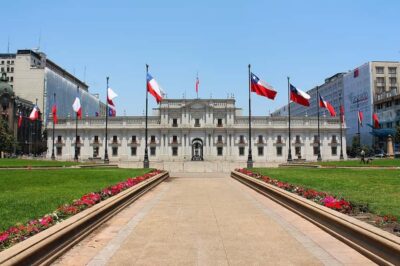
The Essentials City Tour & Optional Concha y Toro
Read our review →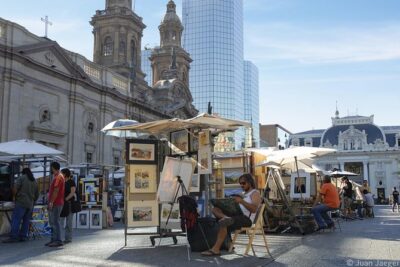
Browse the lists this tour appears in