
Reviewed · GLACIER & FJORD CRUISES
Glacier Hike at El Morado Glacier, from Santiago
The main event here is a 16-kilometer Andean hike through El Morado Natural Monument, ending at a lookout for the San Francisco Hanging Glacier. You walk through a stark mountain valley, pass Laguna de Morales, and gain about 400 to 600 meters from an elevation of roughly 1,850 meters. I like the way this turns a day from Santiago into a real mountain outing rather than a quick photo stop.
I also like the small-group setup, capped at 12 people, and the guides’ habit of explaining birds, plants, geology, and local history along the way. Guides such as Gonzalo, Laura, Francisco, Joaquin, and Felipe have been praised for good pacing, safety, and clear communication. The boxed lunch, hotel transport, and bilingual guiding add real value at $150.
The main caution is that you may not reach the glacier itself. Access beyond Laguna de Morales can be closed by local authorities because of snow, icefall, rockfall, or summer heat. If seeing the glacier up close is your only reason for booking, treat the lookout as weather and trail-condition dependent.
Key points before you book
- About 16km on foot: Plan on roughly five hours of hiking, with steep sections, loose rock, gravel, and possible shallow water crossings.
- Glacier access can change: The route may stop at Laguna de Morales if officials close the trail farther on.
- Strong guides are part of the appeal: The best-known guides include Gonzalo, Laura, Francisco, Joaquin, Felipe, and Rai.
- The day starts early: Hotel pickup begins around 6:30 am, with a long drive into the Cajón del Maipo.
- Pack for sharp changes: Bring sunscreen, sunglasses, a hat, gloves, a warm jacket, sturdy trekking shoes, and a small backpack.
- Good value for an active day: Transport, lunch, bottled water, bilingual guiding, and complimentary insurance are included.
From Santiago to the Cajón del Maipo
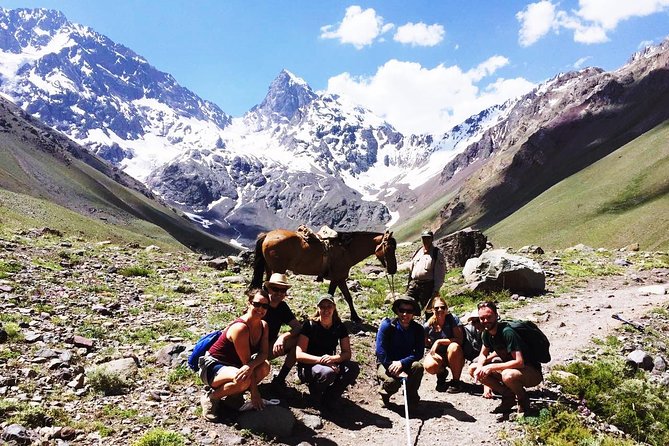
Your day begins around 6:30 am in Santiago’s Metropolitan Region. Hotel pickup saves you from dealing with early traffic and the mountain road yourself, which matters because the drive to the trail area can take about 1.5 to 2 hours each way.
The route passes through San José de Maipo, a mountain town and one of the main gateways into the Cajón del Maipo. This broad river valley is one of the easiest ways to reach serious Andean scenery from Santiago. You get a gradual change from city streets to dry foothills, steep slopes, and high mountain country.
There is a breakfast stop, but breakfast is not included in the price. Bring some Chilean pesos or another payment method if you want to eat. The drive is part of the day, but it is also a drawback: you spend several hours in the vehicle, so this is not a short excursion with a little walking attached.
The guides add value before the hike even starts. Joaquin, for example, has been praised for explaining Chilean history, geology, and local culture during the drive, while also handling the mountain roads safely. Guides such as Laura and Gonzalo have also been singled out for steady communication and a calm approach.
More glacier and fjord sailings from Santiago
- Punta Arenas: Full-Day Whales, Penguins, and Glaciers Tour
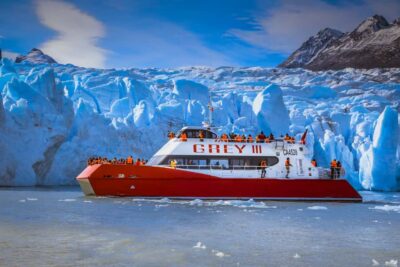
★ 4.9 · 325 reviews - Torres del Paine: 3-Hour Scenic Boat Tour to Grey Glacier
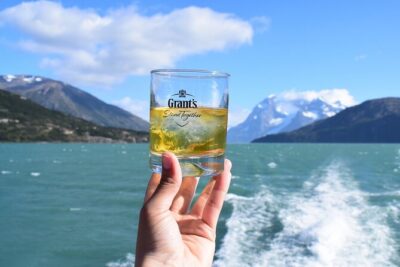
★ 4.5 · 283 reviews - Puero Natales: Glacier Tour with Lunch & Whiskey Aperitif
★ 4.6 · 110 reviews
Baños Morales and the trailhead
The tour continues to Baños Morales, a settlement and access point for the El Morado area. From here, you connect with AndoAndes and enter Monumento Natural El Morado.
The starting elevation is about 1,850 meters. You then climb roughly 400 to 600 meters, depending on the exact route and final stopping point. Most fit hikers should find the altitude manageable, but the combination of elevation, distance, sun, and uneven ground makes this a serious day outside.
The first part of the hike includes a steeper climb. After that, the trail levels out for a while before becoming steeper again near the glacier viewpoint. That pattern gives you a chance to settle into your pace, but you should not mistake the flatter middle section for an easy walk overall.
The trail is generally good, yet it has plenty of loose rocks and gravel. Some sections can include shallow water crossings, snow, or a cold wind. One of the most useful pieces of advice is to wear shoes with good grip and some water resistance. Trekking poles are also worth bringing if you use them.
There is very little shade. Sunscreen, a sun hat, sunglasses, and water are not optional extras here. The sun can feel strong even when the air is cool, and the exposed setting means conditions may change quickly.
What you see in El Morado Natural Monument
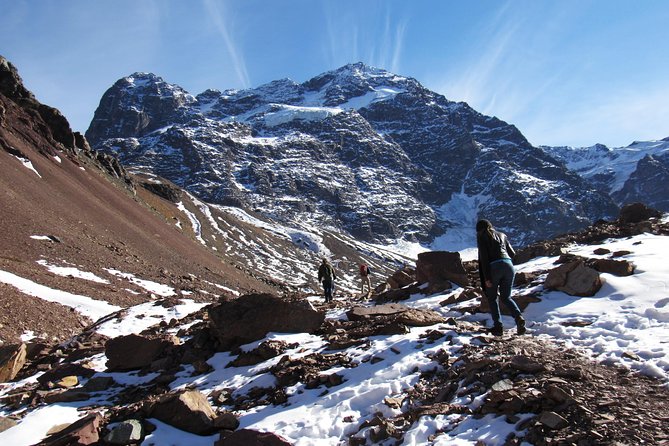
The scenery changes as you gain height. The valley opens into broad views of the Andes, with steep mountain walls, rocky ground, streams, snow, and high peaks. You may also see local flora and fauna, horses, and birdlife.
This is where the guide can make a major difference. Gonzalo has been praised for pointing out difficult-to-spot birds and explaining plants and animals along the trail. Laura and her guiding partners have also been noted for discussing geology, natural history, and the area’s past without turning the walk into a lecture.
I like this style of guiding because it gives the scenery a little context. The rock under your boots is not just an obstacle, and the valley is not just a backdrop for photos. You learn to notice how water, snow, rock, and elevation shape the area.
The first section can be less peaceful than you might expect. A mining operation near part of the trail may be visible or audible, and machinery can spoil the quiet for a while. It is a limited downside, but it is worth knowing if you expect complete wilderness from the first step.
Once the route moves farther into the valley, the setting feels much more remote. Keep your camera handy, but do not forget to watch your footing. Loose stones make it easy to trip while looking at the views.
The glacier viewpoint and Laguna de Morales
The goal is a lookout toward San Francisco Hanging Glacier. In good conditions, this is the visual payoff for the climb: snow and ice high above the valley, surrounded by severe Andean peaks and open mountain air.
The route often includes Laguna de Morales, a beautiful stopping place and a natural location for lunch. The lake is worthwhile even if the glacier viewpoint is reachable, because it gives you a calm place to rest after the more demanding parts of the hike.
Here is the important qualification. Trail access can be restricted by CONAF, the local authority responsible for managing the protected area. Warm weather may increase the risk of unstable ice, falling rock, and icefall. Heavy snow can also prevent the group from reaching the final point.
If the route is closed beyond Laguna de Morales, the tour becomes a mountain hike to the lagoon rather than a glacier hike. That alternative can still offer excellent scenery, but it is not the same experience. Ask about current access conditions before departure if the glacier is the central reason you are booking.
The guides have adjusted routes when summer heat, snow, or official closures made the planned finish unsafe. That flexibility is sensible, but the tour description should be understood as a glacier-viewing hike with access dependent on conditions, not a guaranteed walk to the ice.
A few more trips around Santiago worth a look
- From Santiago: Cajón del Maipo and Volcán San José Hike 8K
★ 4.9 · 418 reviews - Full-Day Trek to Cerro El Pintor from Santiago
★ 4.1 · 5 reviews - Puerto Natales: Base of the Towers Day Hike
★ 4.8 · 727 reviews - Puerto Natales: Base of the Towers Trekking Experience
★ 4.8 · 191 reviews
Lunch, pacing, and group size
A boxed lunch is included, along with bottled water. The food has received especially warm praise, with the sandwich described as better than expected for trail food. Depending on the day’s arrangement, you may also receive snacks and a juice box.
The lunch is practical rather than fancy, but that is exactly what you need after several hours on uneven ground. The timing usually allows you to eat near the lagoon or viewpoint, though the final location can change with the route and conditions.
The group limit is 12 people. Smaller groups make it easier for the guide to keep an eye on pace, explain the surroundings, and help when the trail gets awkward. The guides have also shown a willingness to let stronger hikers move ahead while others rest, then regroup without rushing anyone.
That said, you should still arrive ready to hike. This is not a gentle nature walk. One group completed the route in about 4.5 hours, while other accounts place the hiking time closer to five hours. Your pace, stops, weather, and trail access will affect the total.
The guides’ strongest role is safety. Felipe once had to handle driving, guiding, and carrying supplies after a staff emergency, while also managing a route affected by snow. That is a demanding situation, but it shows why a capable guide matters on a remote mountain trail.
How difficult is the 16km hike?
The tour is recommended for people in good physical shape, and that advice should be taken seriously. You need to manage a long distance, sustained climbing, loose rock, exposed sun, and possible cold or snow.
The hike is not described as extreme mountaineering. It does not require technical climbing, and several sections are relatively easy once the early climb is behind you. Still, the steep opening and final ascent can feel hard if you do not hike regularly.
A reasonably fit person in their sixties has completed the route comfortably, while another hiker found the ascent very steep. The difference comes down to conditioning, pace, weather, and expectations. You do not need to be an athlete, but you should have several good hiking days under your belt.
Take gloves and a beanie even in warm months. The wind near the high point can be sharp, and one hiker regretted not carrying those items. Dress in layers so you can remove clothing while climbing and add it again during rest stops.
Also bring a backpack, sunscreen, a warm jacket, sturdy trekking shoes, and a camera. Trekking poles are strongly worth considering. A current passport is required on the day of the tour.
The ride back through Cajón del Maipo
After the hike, you return through the Cajón del Maipo and back to the original meeting point in Santiago. The drive home is long, but hotel drop-off means you can rest rather than navigate Santiago traffic after a tiring day.
The total experience lasts about 12 hours. That makes it a full-day commitment, not a quick side trip. If you have only a short time in Santiago, this tour uses one of your major sightseeing days. In return, you get access to mountain scenery that is difficult to reach without a vehicle and a local guide.
The final stop listed is Cajón del Maipo, which is less a single attraction than the mountain corridor tying the day together. Its value is the setting: dry valleys, high peaks, rivers, and changing views as you move between Santiago and El Morado.
Is $150 a fair price?
At $150 per person, the price is reasonable for a full-day small-group trip that includes hotel transport, a bilingual guide, boxed lunch, bottled water, and complimentary insurance. Transport alone has real value here because the trailhead is far from central Santiago and the route requires mountain driving.
You are also paying for route planning and safety decisions. Trail access can change, and a guide who knows how to adjust the day is useful when snow, heat, or official restrictions affect the plan.
The value drops if you expect a guaranteed close approach to the glacier. If the route ends at Laguna de Morales, you still receive a substantial hike and impressive scenery, but the central promise feels different. I would book it for the full Andean day, with the glacier as the intended highlight rather than an absolute guarantee.
Free cancellation is available up to 24 hours before the start time. Poor weather or failure to meet the minimum group size can also lead to a new date, another experience, or a full refund.
Who should book this hike?
I would choose this tour if you want a demanding but manageable day in the Andes and prefer having transport, food, and a guide arranged for you. It suits solo visitors, couples, and active families who can handle a long hike on rocky ground.
You will get the most from it if you enjoy learning about plants, birds, geology, and Chilean history along the way. Guides such as Gonzalo, Laura, Joaquin, Francisco, and Felipe have shown that the human side of the trip can be as valuable as the route itself.
I would hesitate if you dislike long drives, have limited hiking experience, or need guaranteed access to the glacier. Ask about trail conditions before you leave, pack for wind and snow, and judge the tour by the whole mountain experience rather than by one final viewpoint.
Should you book the El Morado Glacier hike?
Book it if your priority is a well-supported Andean hike from Santiago, with striking scenery, a real physical challenge, and a small group. The lunch, pickup, safety support, and strong guide team make the $150 price easier to justify.
Do not book it on the assumption that you will always stand beside San Francisco Glacier. Access may end at Laguna de Morales, and the trail can be closed for good safety reasons. With that expectation set correctly, this is one of the more rewarding ways to spend a full day outside Santiago.
FAQ
How long does the El Morado Glacier tour last?
The full experience lasts about 12 hours, including hotel transportation from Santiago, the hike, and the return journey.
What time does the tour start?
The stated start time is 6:30 am.
How far is the hike?
The route is approximately 16 kilometers through El Morado Natural Monument. Some route accounts describe the walk as about 9 miles round trip.
How much climbing is involved?
The hike begins at about 1,850 meters and gains roughly 400 to 600 meters.
Will I definitely reach San Francisco Glacier?
No. Access beyond Laguna de Morales depends on trail conditions and official authorization. Snow, heat, unstable ice, and rockfall can lead to closures.
Is breakfast included?
No. The group stops for breakfast, but breakfast is not included in the tour price.
What does the price include?
The price includes bottled water, a boxed lunch, a bilingual guide, hotel pickup and drop-off, and complimentary insurance.
How many people can join the tour?
The maximum group size is 12 people.
What should I bring?
Bring sunscreen, trekking shoes, a sun hat, a camera, a warm jacket, and a backpack. Gloves, a beanie, sunglasses, and trekking poles are also useful based on the trail conditions described.
Is a passport required?
Yes. A current valid passport is required on the day of the tour.
Just added around Santiago
- Walking City Tour with Funicular, Cable Car and Tasting★ 4.3 · 6 reviews
- VIÑA DEL MAR AND VALPARAISO TOUR★ 4.8 · 20 reviews
- Valle nevado Sunset★ 5.0 · 40 reviews
- Valparaiso & Casablanca : Wine, Gastronomy and Living Culture★ 5.0 · 37 reviews
- Coast and Color: Discover Viña and Valparaíso in a Day★ 5.0 · 58 reviews
- Traditional Dinner Show in Santiago★ 4.5 · 41 reviews
- Private Cruise Transfer : Santiago → Valparaiso or San Antonio★ 4.5 · 51 reviews
- Sunset Alyan + 6 wines + individual snack + rustic dinner★ 4.5 · 51 reviews
Glacier & Fjord Cruises, compared.
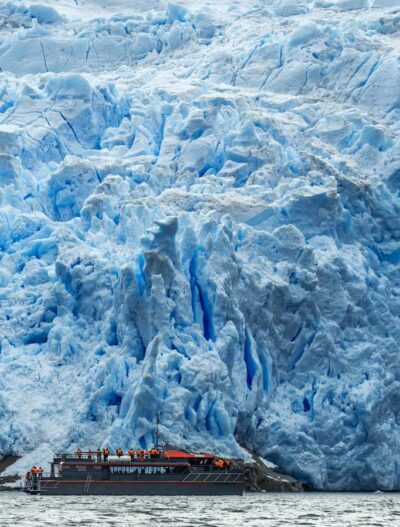
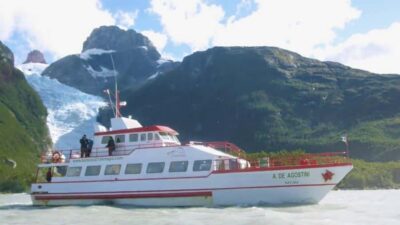
Balmaceda & Serrano Glaciers Boat Tour and traditional lunch.
Read our review →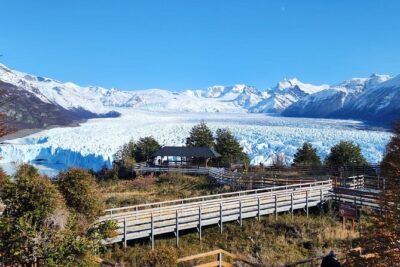
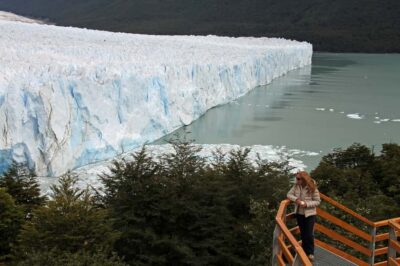
Full-Day Tour to Perito Moreno Glacier (Natales)
Read our review →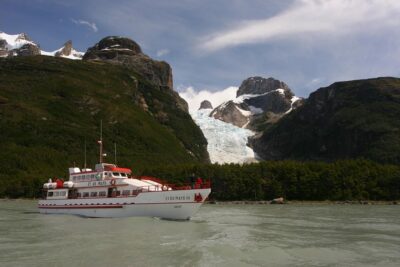
Balmaceda and Serrano Glaciers Sightseeing Cruise from Puerto Natales
Read our review →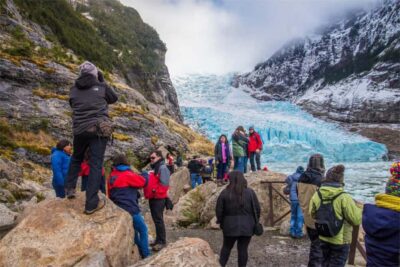
P. Natales: Balmaceda & Serrano Glaciers with Lunch & Whisky
Read our review →Browse the lists this tour appears in