
Reviewed · VALPARAíSO & VIñA DEL MAR DAY TRIPS
The Tour of Valparaiso in French on foot and in a small group
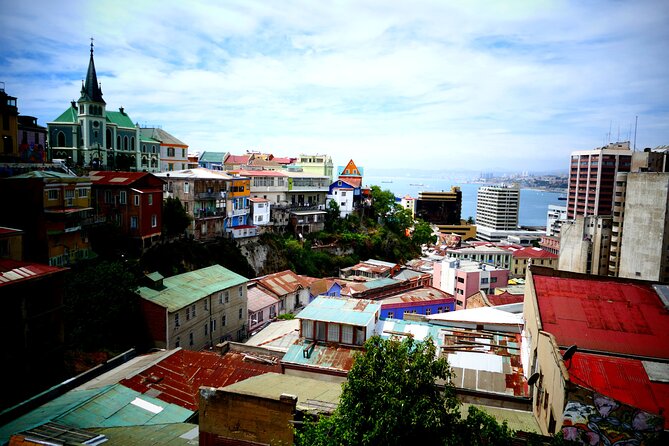
Valparaíso reveals itself through steep hills, old funiculars, painted walls, and wide views across the Pacific. This French-language walking tour connects those pieces with stories about the port, street art, Chilean politics, Mapuche culture, and everyday food. It is a useful way to understand a city that can otherwise feel like a maze of stairways and colorful lanes.
I like the small maximum of 18 people, which should keep the walk personal without making the price feel heavy. I also like the mix of major sights and less obvious subjects, especially the Pinochet dictatorship and the German presence in the city. The main consideration is physical: you will walk uphill, use a historic funicular, and spend about three and a half hours on foot.
Key points at a glance

- French-speaking local guides: The guides have worked in Valparaíso since 2016 and explain the city in French.
- A 1902 funicular ride: El Peral links the lower city with the hills and adds a practical piece of local transport history.
- Street art on Cerro Alegre and Cerro Concepción: The walk includes murals and graffiti by artists from Valparaíso who now have international recognition.
- Serious history alongside colorful streets: The tour covers Chile’s dictatorship, the Mapuche people, port commerce, and the city’s European influence.
- Bay views from several paseos: Yugoeslavo, Gervasoni, Atkinson, and Dimalow each offer a different angle over Valparaíso.
- Useful food advice at the end: You finish with recommendations for Chilean dishes and restaurants, from popular local meals to more polished choices.
Why this Valparaíso walk works
Many city walks give you a string of pretty stops and little else. This one tries to explain why Valparaíso looks the way it does. The port, the hills, the old immigrant neighborhoods, the murals, and the damaged remains of past political violence all belong to the same story.
That is the tour’s greatest strength. You are not only looking at painted staircases. You are learning how a major port grew, why its funiculars mattered, how foreign communities shaped its hills, and how Chile’s recent past still affects the city.
The tour begins at 3:00 pm at Plaza Sotomayor and ends at the top of the Reina Victoria lift near Paseo Dimalow. The timing gives you afternoon light for the bay viewpoints, though the exact quality of the views will depend on the day. The walk lasts about three hours and 30 minutes.
The French-speaking guides are Chilean and have been leading tours in Valparaíso since 2016. That combination matters. You get explanations in comfortable French, but the information comes from guides who know the city itself rather than simply translating a standard script.
The price is $17.49 per person. For a 3.5-hour guided walk, a funicular ride, and local suggestions for the rest of your stay, that is a fair price. You are not paying for museum admissions or a long list of included attractions. You are paying for orientation, interpretation, and a better sense of how to use your time in Valparaíso.
More coast days from Valparaíso
- From Santiago: Valparaiso and Viña del Mar Day Tour
★ 4.3 · 643 reviews - Valparaiso: Street Art, Funiculars and Port City Tour
★ 4.8 · 214 reviews - 2 Hour Walking Tour in Valparaiso
★ 5.0 · 109 reviews
Plaza Sotomayor and the city’s naval identity
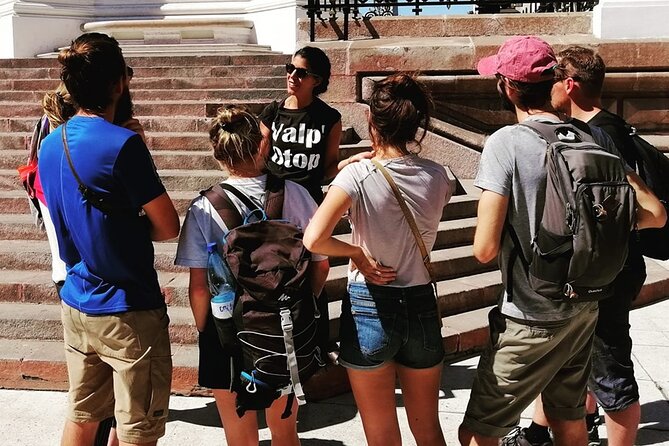
The first stop, Plaza Sotomayor, gives you a broad introduction to Chile and Valparaíso. The square is dedicated to the Chilean National Navy, known locally as the Armada de Chile, so it is a fitting place to begin a tour about a port city.
The guide spends about 15 minutes here explaining the route and the country’s background. This opening should help you place Valparaíso within Chile rather than treating it as an isolated collection of hills and murals.
The square is also useful for getting your bearings. Valparaíso can feel confusing at street level, especially when several hills, lifts, stairways, and paseos come together. Starting in a large open space gives you a clear reference point before the route becomes more vertical.
Muelle Prat and the port beneath the hills
From Plaza Sotomayor, the walk continues to Muelle Prat. The stop lasts about 15 minutes and focuses on the history of Valparaíso’s port.
This is an important pause because the upper hills can tempt you to think only about art and architecture. The city’s identity began with the water. Ships, merchants, adventurers, whalers, and gold seekers all helped create the port culture discussed later on Cerro Concepción.
Muelle Prat also provides a useful contrast to the quieter lanes above. You see the working side of the city before climbing into the historic hills. The tour does not present Valparaíso as a frozen old town. It connects the port’s past with the city you see today.
El Peral, a 1902 lift with a practical purpose
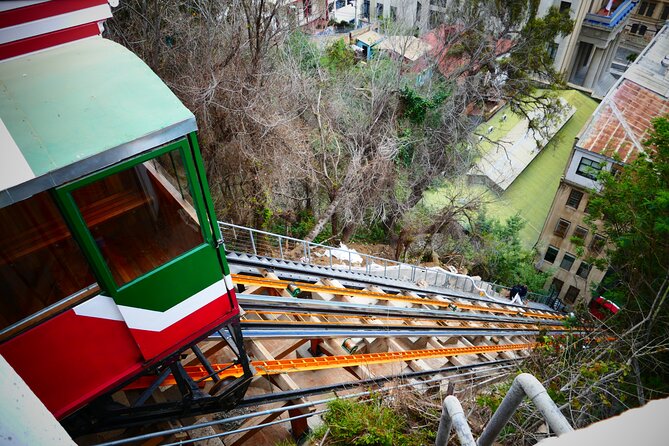
The next stage uses Ascensor El Peral, a funicular dating from 1902. It was steam-powered until the 1970s and is one of roughly 30 funiculars built during Valparaíso’s great period of hillside development.
The ride itself takes about 10 minutes, including the stop. It is not just a novelty inserted for photographs. These lifts made the steep hills workable for residents and connected the port below with homes, businesses, and public spaces above.
You should expect an old transport experience rather than a modern cable car. That is part of the point. The funicular helps you understand the city’s shape in a few minutes, while also showing how Valparaíso adapted to its difficult slopes.
The ride is included in the tour price. If you are concerned about the physical effort of climbing, this is a welcome break, although it does not remove all the walking that follows.
A few more trips around Valparaíso worth a look
- Valpo in 1 day: Authentic + Famous! Semi-private walking tour & public transport
★ 5.0 · 84 reviews - Famous Valparaíso! Premium Walking Tour with a Native Guide
★ 5.0 · 80 reviews - Walking Tour Valparaiso, History & Art – Private Optional
★ 4.5 · 59 reviews - Fr VALPO: WILD PENGUINS, SEALION, SANDBOARD, PARAGLIDING & PICNIC
★ 5.0 · 57 reviews
Paseo Yugoeslavo and Palacio Baburizza
At Paseo Yugoeslavo, formerly Paseo Americano, the tour begins its closer look at Cerro Alegre and Cerro Concepción. The walk takes about 10 minutes and opens onto views over the bay.
This is also where you hear about the architecture of the hills, which has UNESCO classification. The designation is not treated as a reason to admire buildings from a distance. The guide explains how the streets, homes, and hillside setting developed into the character that makes this part of Valparaíso so distinctive.
One feature here is Palacio Baburizza, now home to the city’s fine arts museum. The tour does not include an entrance visit, so you should think of this as a helpful introduction rather than a museum tour. If the building catches your attention, you can return later with a better idea of its place in the city.
Cerro Alegre, where walls become part of the tour
The 30-minute walk through Cerro Alegre is the most colorful section of the route. You move through narrow lanes and see street art, graffiti, and murals by artists from Valparaíso who have gained international recognition.
The best part is the interpretation. A wall painting can be attractive on its own, but a guide can explain how urban art fits the city’s public life and hillside neighborhoods. You also get a chance to notice how artwork appears alongside ordinary homes and streets, rather than in a separate gallery district.
This is a good section for anyone who wants more than postcard views. It also gives the tour a local edge. Valparaíso’s art scene is not simply decoration for historic buildings. It is one of the ways the city presents its identity.
Allow some patience here. The walk is about looking closely, and the narrow lanes may slow the group. The route is not designed for a quick checklist of sights.
Cerro Concepción, port legends and Chile’s hard years
On Cerro Concepción, the tour continues with street art but shifts toward social and political history. The guide describes the port’s older atmosphere, when adventurers, traders, whalers, and gold seekers passed through Valparaíso.
That subject helps explain the city’s reputation as a meeting place for people from many backgrounds. It also gives context to the European influence visible in some of the buildings and churches.
The tour then addresses the Pinochet dictatorship and the violence that marked Chile and its people. This is one of the strongest reasons to choose this experience over a purely visual walk. You are given room to understand the city’s recent past alongside its older port stories.
The discussion of the Mapuche people adds another layer to the country’s history and culture. This makes the walk broader than a tour of one historic district. It links what you see in Valparaíso with larger questions about Chilean identity.
Gervasoni and Atkinson: views with useful orientation
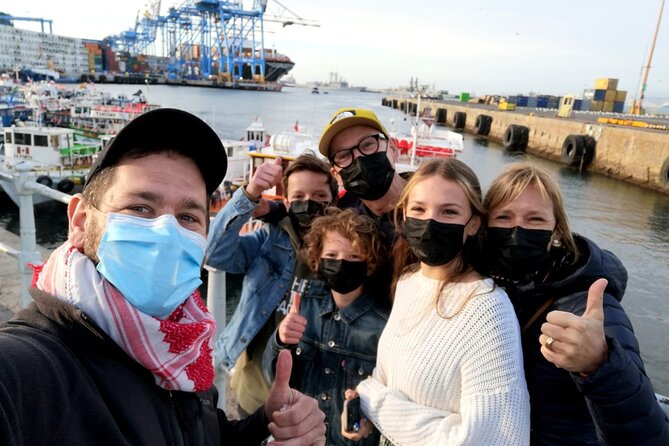
Paseo Gervasoni provides one of the tour’s broadest views across Valparaíso Bay. The stop lasts around 10 minutes, and the guide uses the viewpoint to suggest places you can visit later.
Among the recommendations are Caleta Portales, an artisanal fishing port, the nearby city of Viña del Mar, and the town of Concón. These tips are practical because Valparaíso can fill a day quickly, and you may want to add a second outing without spending time sorting through every option from scratch.
Paseo Atkinson follows with another 10-minute stop. Here, you continue the city’s history and see two of Chile’s largest murals. The sequence works well: Gervasoni gives you the bay and wider orientation, while Atkinson returns your attention to the built environment and public art.
The viewpoints are also good places to pause. A three-and-a-half-hour walk can feel full, so these short stops break up the pace without turning the experience into a series of long lectures.
The Lutheran church and Valparaíso’s German connection
The Iglesia Luterana de La Santa Cruz de Valparaíso sits beside a small square with views toward other hills. The stop lasts about five minutes, but it adds useful context.
The guide discusses the church and the German presence in the city. That detail helps explain why Valparaíso’s history includes more than Chilean and Spanish influences. Port cities often grow through migration and trade, and this church provides a visible example.
From here, you can also look toward the hills and the house connected with the poet Pablo Neruda. The stop is brief, so it is best seen as a visual reference and a prompt for later exploration rather than a visit to Neruda’s home.
Paseo Dimalow and the final food advice
The walk ends at Paseo Dimalow, near the top of the Reina Victoria funicular, after about 10 minutes here. This is a useful finish because the guide shifts from history and art to what you can eat during the rest of your time in Chile.
You receive recommendations for restaurants and dishes, including more polished choices and popular local food. That final advice can be worth a lot in a city where a good meal is part of understanding the place. It also means you finish with a practical next step rather than simply being released at a viewpoint.
The end point is not the same as the starting point. Plan your afternoon around finishing at Paseo Dimalow, not back at Plaza Sotomayor. The tour uses the Reina Victoria lift area as its endpoint, so you can continue exploring the upper hills or make your way elsewhere from there.
Group size, timing, and physical effort
The maximum group size is 18 people. That is small enough for questions and a more relaxed pace, though it is not a private tour. If you want a completely personal route, this will not provide that. If you want company without a large coach group, it is a sensible middle ground.
Most people can participate, and service animals are allowed. The tour is near public transportation, which is useful in a city built around hills and lifts.
You should wear comfortable shoes and be prepared for uneven streets, slopes, and walking between stops. The information provided does not promise a fully step-free route. The El Peral funicular reduces some of the climb, but the experience remains a walking tour through steep historic neighborhoods.
The 3:00 pm start gives you a complete afternoon activity. It also means you should allow enough time to reach Plaza Sotomayor before the start. Confirmation is provided when you book, and free cancellation is available if you cancel at least 24 hours before the local start time.
Who should book this French-language tour
I would choose this tour if you want Valparaíso explained in French and prefer a human-scale walk to a bus-based overview. It suits first-time visitors who want to understand the city before exploring on their own.
It is especially useful for anyone interested in:
- Street art and public murals
- Historic port cities
- Chilean political history
- Mapuche culture
- Funiculars and hillside neighborhoods
- Local food recommendations
- Bay viewpoints and photography
It may be less suitable if you dislike hills, uneven walking, or serious historical discussion. It is also not the best choice if your only goal is to enter museums, since the route views Palacio Baburizza from outside and does not include museum admissions.
Should you book the Valparaíso walk?
Book it if you want the colorful side of Valparaíso balanced by real history. The strongest features are the French-speaking Chilean guides, the small group, the El Peral ride, and the way the tour connects street art with port life, migration, dictatorship, and food.
At $17.49, the tour offers good value for a 3.5-hour introduction, especially if you use the final recommendations to shape the rest of your stay. Skip it only if steep streets are a serious problem or if you prefer to explore entirely alone.
The high rating and 100 percent recommendation rate fit the tour’s clear purpose: it gives you a readable introduction to a complicated city, then leaves you with enough practical advice to continue on your own.
FAQ
Where does the tour start?
The tour starts at Plaza Sotomayor in Valparaíso, Chile.
Where does the tour finish?
It finishes at the top of the Reina Victoria lift, near Paseo Dimalow at Paseo Dimalow 110 in Valparaíso.
What time does the tour begin?
The scheduled start time is 3:00 pm.
How long does the tour last?
The experience lasts approximately three hours and 30 minutes.
Is the funicular ride included?
Yes. The ride on Ascensor El Peral is included in the tour.
How large is the group?
The maximum group size is 18 people.
Just added around Valparaíso
- Viña del Mar and Valparaiso: guided day tour★ 4.2 · 8 reviews
- Viña del Mar and Reñaca 4-Hour Pacific Coast Tour★ 4.7 · 14 reviews
- Viña del Mar: Guided city tour★ 4.9 · 10 reviews
- Private: Viña del Mar and Valparaiso Day Tour★ 5.0 · 5 reviews
- Valparaíso y Viña del Mar full day★ 4.6 · 3 reviews
- Valparaíso Viña del Mar y Reñaca★ 4.6 · 22 reviews
- Valparaíso, Viña del Mar and Casablanca Full Day Experience★ 4.7 · 14 reviews
- Valparaíso to Casablanca: wine tour with premium tasting and transportation★ 4.4 · 3 reviews
Valparaíso & Viña del Mar Day Trips, compared.
Vina Del Mar, Valparaiso, Casablanca & Reñaca Tour
Read our review →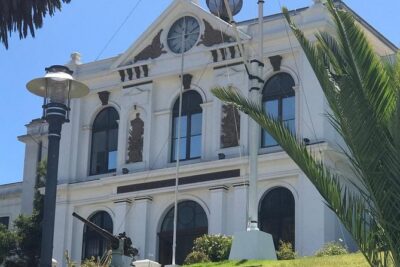
Valparaiso -Casablanca -Reñaca-Oceanic Rock-Concon
Read our review →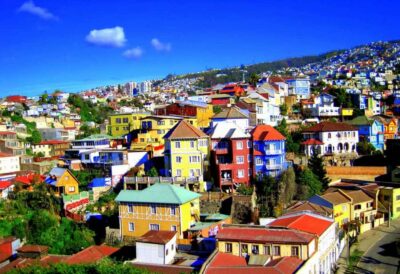
Valparaiso, Viña del Mar, & Casablanca Valley Tour
Read our review →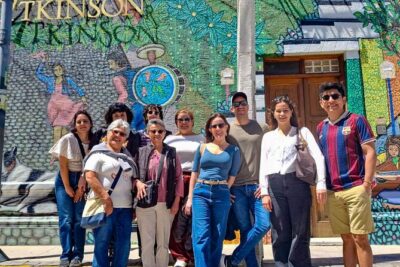
Viña del Mar, Valparaiso & Casablanca Valley Tour
Read our review →Viña del Mar, Valparaiso & Casablanca Valley Tour
Read our review →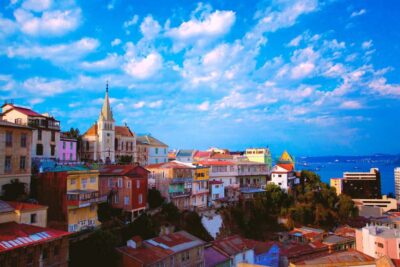
Viña Del Mar, Valparaiso, Casablanca & Reñaca Tour
Read our review →
Browse the lists this tour appears in