
Reviewed · VILLARRICA VOLCANO & PUCóN TOURS
Pucón: Villarrica Volcano Climb
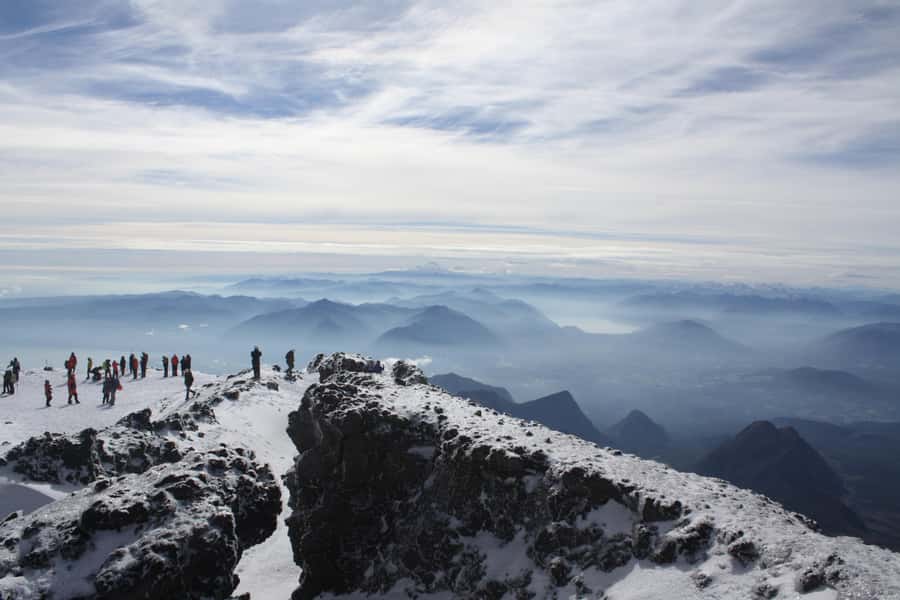
Villarrica is not a gentle hill with a grand name. This is an active volcano rising above Pucón, and reaching its 2,847-meter crater takes five to six hours of steady uphill work. The reward is a raw volcanic rim, possible fumaroles or lava, and wide views of forests, lagoons, and neighboring volcanoes.
I like two things here: the excellent guide-to-climber ratio, with one certified guide for every three participants, and the fact that major mountain gear is supplied. Guides such as Osiel, Nacho, Chacha, Raul, Felipe, Sebastian, and Luisa have earned praise for clear instructions, patience, and good group care.
The catch is simple: this is a demanding day, not a relaxed sightseeing trip. Weather, wind, volcanic activity, and snow conditions can stop the summit attempt or remove the sliding descent. You need decent fitness, an early start, and the good sense to accept a safer change of plan.
Key points to know before booking
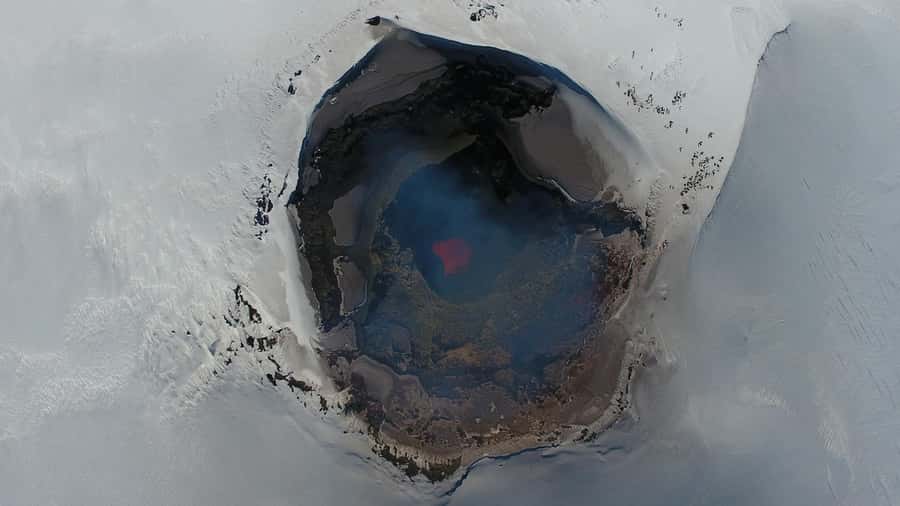
- The summit reaches 2,847 meters: You climb from about 1,200 meters, mostly uphill, with little flat ground.
- The day begins before sunrise: Meet at Zenit Travel under the arch at Pedro de Valdivia 205, usually around 6:00 to 6:15 am.
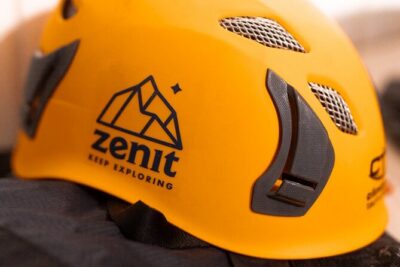
- Mountain gear is provided: Boots, crampons, ice axe, helmet, backpack, trousers, jacket, gloves, gaiters, and poles are included.
- Snow sliding makes the descent special: When conditions permit, you combine walking with controlled slides down the snow.
- Conditions can change the plan: Wind, visibility, seismic activity, or volcanic warnings can prevent a summit attempt.
- The $190 price covers key costs: Transport, park entry, equipment, and guiding are included, but food, clothing, sun protection, and any ski lift ticket cost extra.
Why Villarrica makes such a memorable climb
Villarrica is one of Chile’s best-known active volcanoes, part of the Pacific Ring of Fire. Its shape is striking from Pucón, but the real experience begins when that familiar cone becomes a long, steep route beneath your boots.
You start at roughly 1,200 meters above sea level in Villarrica National Park. The first section feels like a traditional mountain hike, though the route keeps gaining height. Guides set an easy pace at first so your breathing and legs can settle before the harder snow section.
There is no need for previous mountaineering experience, but that does not mean the climb is easy. The route is described as suitable for people with a minimum level of fitness, and that is fair. You will spend hours going uphill, often with no flat section to break the effort.
The mountain asks for patience. You might begin with a strong pace and later need regular breaks. That is normal. The guiding team uses several guides and radios, allowing groups to separate by speed while keeping communication open. This matters on a long climb, especially when one person is moving quickly and another needs more time.
More volcano and hot spring days around Chile
- Santiago: Cajon del Maipo, Termas Colinas & Embalse El Yeso
★ 4.4 · 266 reviews - Santiago: Cajon del Maipo Termas Colina Trip
★ 4.5 · 160 reviews - Santiago: Cajón del Maipo Hot Springs & Chilean Barbecue
★ 4.8 · 157 reviews
The 6:00 am meeting and equipment check
You meet at the Zenit Travel office beneath the arch at Pedro de Valdivia 205 in central Pucón. The stated meeting time is around 6:00 to 6:15 am, so arrive ready to move and confirm the exact time with the local partner.
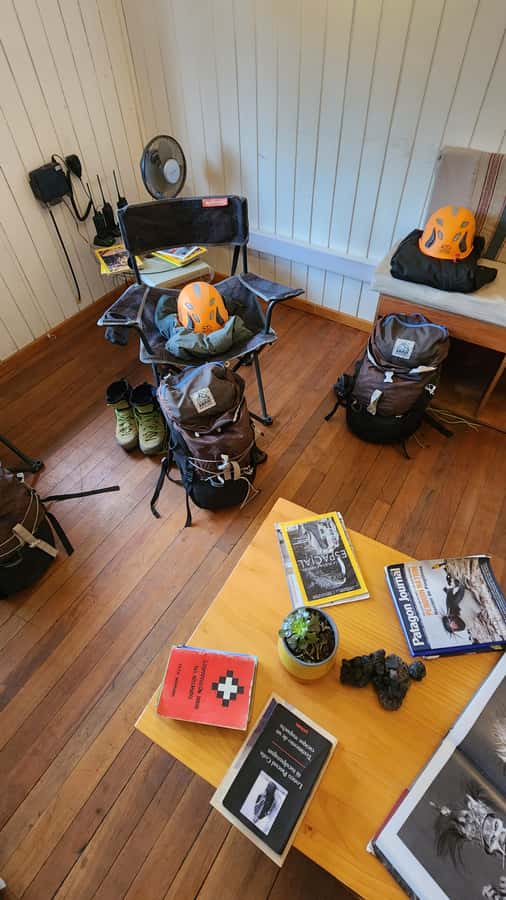
A separate equipment appointment takes place the day before the climb. You try on boots, check the fit of your clothing, and receive a short explanation of the route and procedures. This fitting is more important than it sounds. Ill-fitting boots can cause blisters, and one participant found foot pain made the ascent much harder.
I would treat the fitting as a serious appointment, not a quick formality. Check your boots carefully, confirm that your equipment is labeled or set aside for you, and ask about the optional chairlift at the lower part of the route. The lift is not included in the price, and you may need cash to pay for it. It can save energy early in the day, but the option should be discussed clearly before departure.
The supplied gear includes mountain boots, poles, crampons, an ice axe, helmet, backpack, trousers, jacket, gloves, and gaiters. You still need your own food, drinks, sunglasses, sunscreen, and base layers. Bring clothing that can handle changing temperatures, since you will warm up while climbing and face colder, windier conditions higher up.
The 30-minute drive to Villarrica National Park
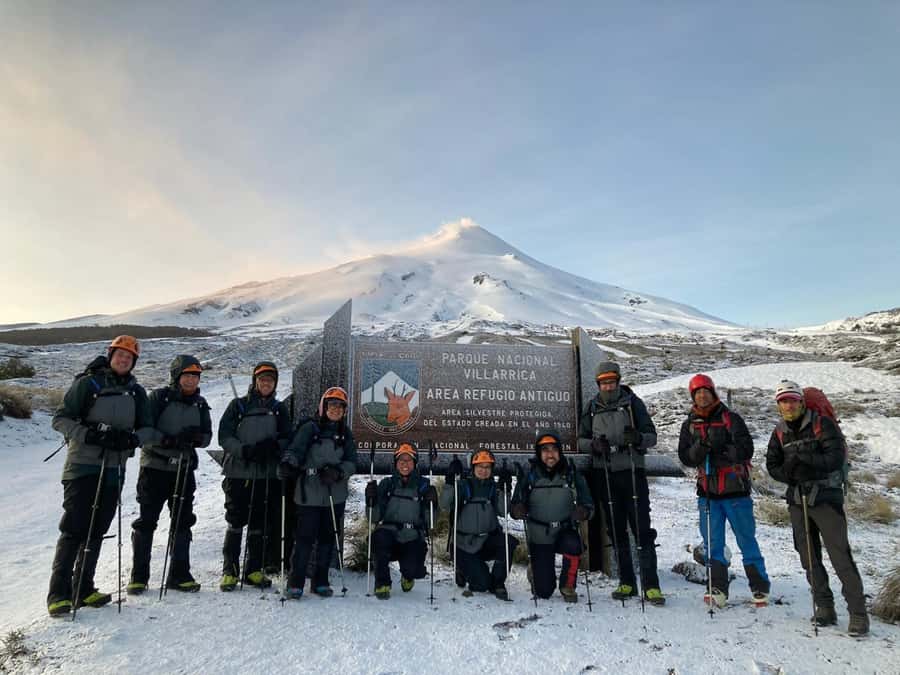
The group travels by van from central Pucón to the volcano base. The drive takes about 30 minutes each way, and transport from the office is included.
This short transfer keeps the day practical. You do not have to arrange a separate taxi or rental car before dawn, and the van brings you back to the same central office after the climb. Hotel pickup and drop-off are not included, so you need to reach Pedro de Valdivia 205 yourself.
Use the ride to check your water, snacks, sunscreen, and extra layers. Eat a carbohydrate-heavy meal such as pasta the night before and drink plenty of water. Avoid alcohol before the climb. These are ordinary tips, but they matter during a nine-hour mountain day.
The long ascent from 1,200 meters
The first stage is a steady hiking climb. The guides aim to start slowly, helping the group acclimatize to the height and avoid burning energy too early. Expect the route to become more demanding as you gain altitude.
Several participants found the climb harder than expected, including people in their twenties who were already active. That is useful context. You do not need technical climbing experience, but you do need endurance. If you rarely exercise, the uphill sections may feel severe.
The guides adjust the pace and take breaks as needed. This personal attention is one of the strongest parts of the operation. Guides have been praised for staying close to slower climbers, explaining each procedure, and keeping the group calm when weather or volcanic conditions become uncertain.
The route also creates room for conversation. Guides discuss Andean Indigenous peoples, their relationship with the mountains, and basic volcanology. The amount of geology may vary by guide, so ask questions if you want more than the standard explanation. The setting gives those discussions real weight: you are learning about the volcano while climbing its slopes.
A few more trips around Chile worth a look
- Santiago: Cajon del Maipo/Embalse del Yeso Tour with Picnic
★ 4.3 · 3,789 reviews - Santiago: Vina Del Mar, Valparaiso, Casablanca & Reñaca Tour
★ 4.2 · 2,838 reviews - Small-Group Cajón del Maipo Full-Day Tour and Picnic
★ 4.5 · 2,277 reviews - Santiago: Cajon del Maipo & Embalse El Yeso Trip with Picnic
★ 4.5 · 1,859 reviews
Crampons, ice axes, and the glacier section
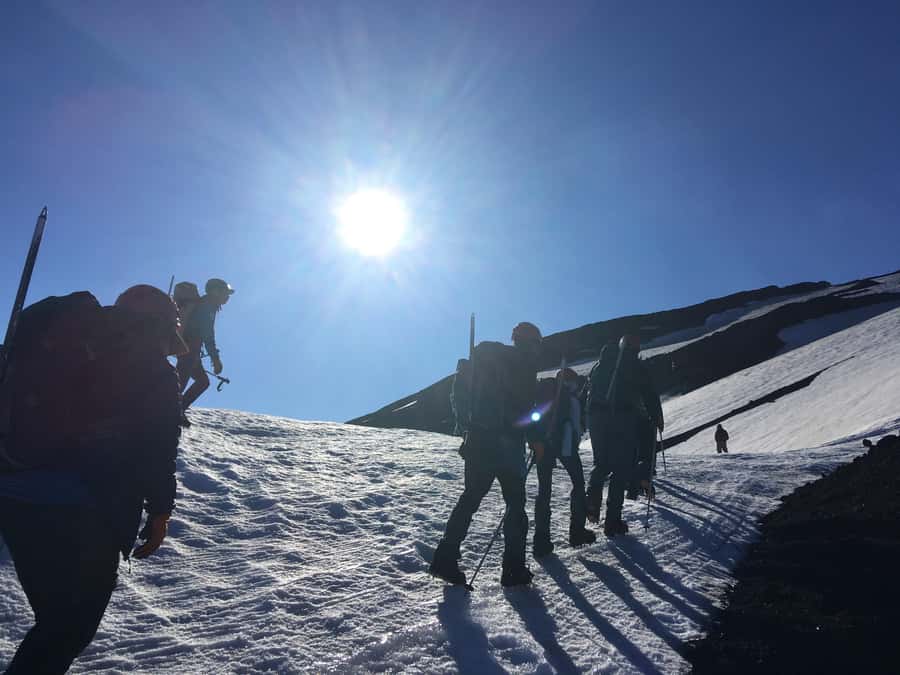
As you approach the glacier and permanent snow, the nature of the climb changes. The guides explain how to use crampons and ice axes, then help you move across the snow more securely.
This is the point where the supplied equipment becomes especially valuable. You do not need to bring your own crampons or ice axe, and the team handles the transition from hiking to snow travel. Your job is to listen closely and follow the instructions.
Snow conditions vary. One participant reported moving without crampons for part of the climb because the guides judged that approach faster, while another group used crampons for the snow ascent. Do not copy another group’s technique. Use the equipment and method your guides choose for that day’s surface.
The upper route can feel exposed and tiring. You may find yourself staring down at your feet for long periods, which can strain your back and ankles. Take care with boot fit, keep your pace controlled, and tell the guides early if you have pain rather than trying to hide it.
Reaching the crater at 2,847 meters
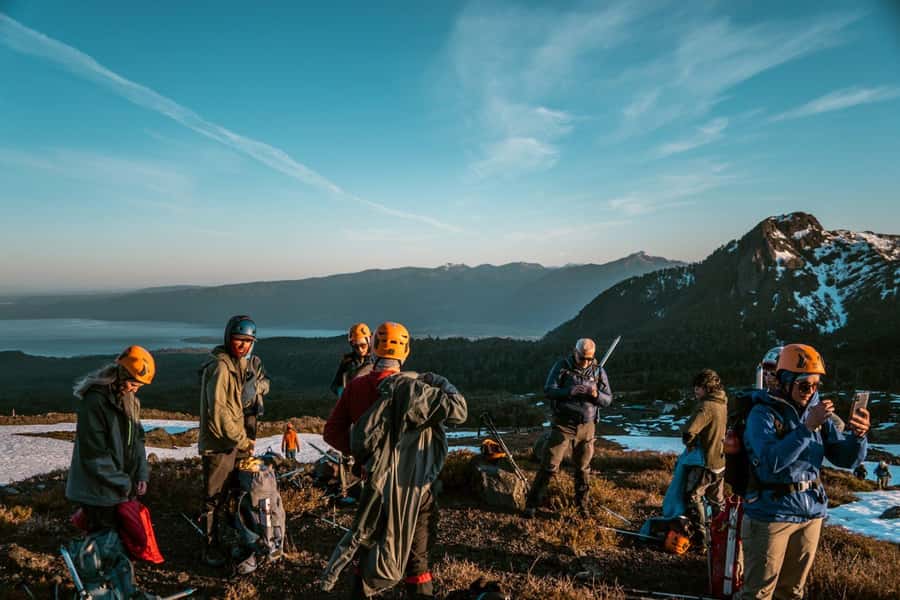
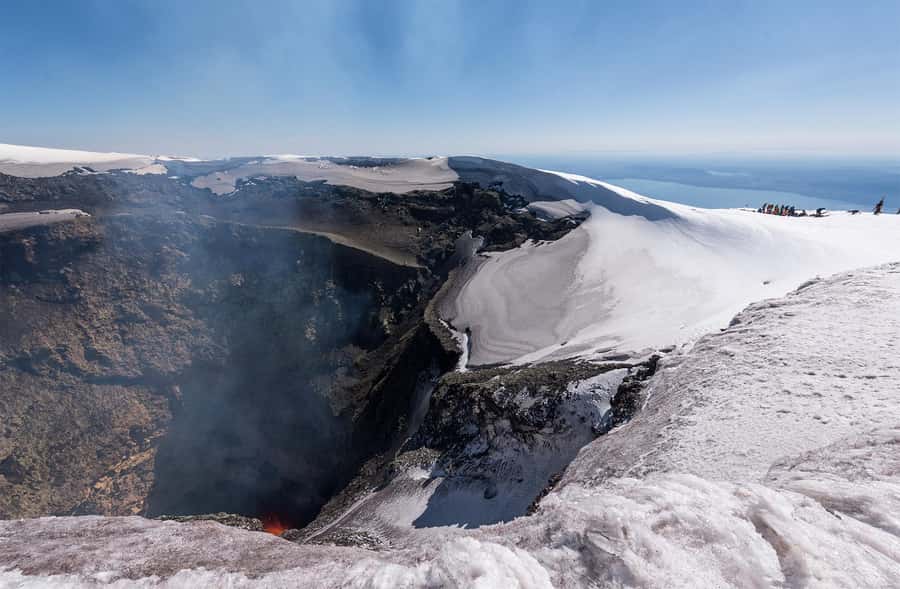
After roughly five to six hours of climbing, the goal is the summit at 2,847 meters. The payoff is not just a viewpoint. You look into the middle of an active volcanic crater, where fumaroles may be visible and lava might appear depending on current activity and conditions.
The summit stop lasts about 30 minutes. That is enough time to rest, take photographs, look across the crater, and absorb the 360-degree view. From the top, you may see surrounding volcanoes, lagoons, forests, and the wider area around Pucón.
Do not treat the summit as guaranteed. The volcano is monitored daily for seismic activity, and the program depends on weather and safety conditions. Strong wind, low visibility, a volcanic warning, or unsafe snow can shorten the route or prevent access to the crater.
Past groups have been unable to reach the true summit because of wind, volcanic activity, or poor visibility. In one case, the guides offered a clear choice between trying under changing conditions and returning another day. That is the right approach. A summit is valuable, but it is not worth ignoring a safety warning.
If the top is closed, you may still have a strong mountain day. Some ascents have continued to a safe point with views and a snow descent, while another group was redirected to Quetrupillán when Villarrica was closed. Do not book this activity if you need a guaranteed crater visit on a fixed date.
The snow-slide descent
The way down is often the most playful part of the day. Instead of walking every meter, you combine hiking with controlled sliding on the snow. Participants describe the descent as fast, funny, wet, cold, and exhausting in equal measure.
The guides teach you how to control the slide. You may use an ice axe as part of the technique, and the exact amount of sliding depends on snow quality, weather, route conditions, and safety decisions. Poor visibility or unsuitable snow can remove this part of the experience.
For many people, the sliding gives tired legs a welcome change. It can also be hard work in its own way, and you should expect some contact with wet snow. Bring layers and protect your eyes from glare. A buff is a useful extra for wind, sun, and blowing snow.
The descent takes about half the time of the climb, though the total day still runs close to nine hours. Once you reach the base, the van takes you back to the central Pucón office.
What the $190 price really covers
At $190 per person, this is not a cheap walking tour. It is also not simply a fee for a guide and a van. The price includes transportation from the town office, the Villarrica National Park entrance, a certified guide for every three participants, and a large set of technical equipment.
Buying or renting that gear separately could add up quickly, especially if you do not already own crampons, an ice axe, helmet, gaiters, mountain boots, and suitable outer layers. The guide ratio is another important part of the value. A team with one guide per three climbers can watch pace, technique, and comfort more closely than a large single-guide group.
You pay extra for food and drinks, your personal trekking clothes, sunglasses, and sunscreen. The initial ski resort lift ticket is also not included. Ask about the lift during the equipment meeting so you know the price and payment method before the morning departure.
Free cancellation up to 24 hours before the activity and the option to reserve now and pay later make the booking less rigid. Still, your bigger concern should be the weather window. Keep some flexibility in your Pucón schedule if reaching the summit matters to you.
Who should book this volcano climb
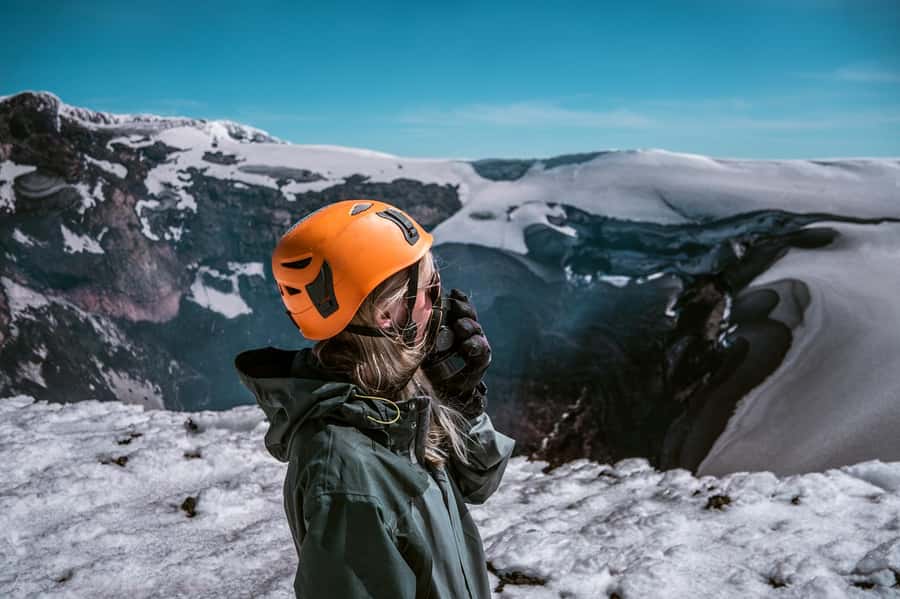
This suits you if you want a demanding outdoor day and are comfortable with an early start. You do not need previous crampon experience, but you should be able to walk uphill for several hours and cope with changing conditions.
It is a good fit for active adults who value a real physical challenge more than a polished sightseeing route. The age minimum is 18, and the day is not suitable for children.
You should think carefully before booking if you have current foot, ankle, knee, or back problems. One participant developed blisters from the boots, while others found the long snow climb tough even when reasonably fit. Tell the guides about discomfort early and use the equipment fitting to get the best possible fit.
The experience also suits people who care about the human side of a mountain day. The strongest guides do more than lead the route. They explain procedures, adjust the pace, answer questions in English, and add local context about the Andes and volcanoes.
Practical advice for a better day
- Eat a carbohydrate-rich dinner the night before and stay well hydrated.
- Do not drink alcohol the night before the climb.
- Bring enough food and water for a long day outside.
- Pack sunscreen, sunglasses, trekking clothes, and warm layers.
- Wear a buff or neck covering for wind and sun.
- Check your boots carefully during the previous day’s fitting.
- Ask about the optional lift and bring cash if you plan to use it.
- Keep your schedule flexible in case wind, weather, or volcanic activity changes the route.
- Do not assume a visible summit means access is safe.
- Listen to the guides during the crampon and ice axe briefing.
Should you book Zenit Travel’s Villarrica climb?
Book it if you want one of Pucón’s major outdoor challenges and can accept that nature controls the final result. The combination of a genuine active volcano, strong equipment provision, a close guide ratio, crater views, and a possible snow-slide descent gives the $190 price solid value.
Do not book it as a guaranteed summit ticket. The crater can close, the descent can lose its sliding section, and wind can end the climb early. For the best chance of a satisfying day, place it early in your Pucón stay, complete the gear fitting carefully, and leave room to try again if conditions change.
FAQ
How long does the Villarrica Volcano climb take?
The full activity lasts about nine hours, including the 30-minute drive each way. The ascent takes roughly five to six hours, the summit stop lasts about 30 minutes, and the descent takes about half as long as the climb.
Where do I meet the group?
Meet at Pedro de Valdivia 205 in central Pucón. Look for Zenit Travel under the arch and arrive around 6:00 to 6:15 am on the activity day.
Is previous climbing experience required?
No previous experience is required. You do need a minimum level of physical fitness because the route involves several hours of continuous uphill walking.
What equipment is included?
The activity includes mountain boots, poles, crampons, an ice axe, helmet, backpack, trousers, jacket, gloves, and gaiters. Food, drinks, trekking clothes, sunglasses, and sunscreen are not included.
Can I use a ski lift for part of the approach?
A ski lift may be available for the initial lower section, but its ticket is not included. Ask about this option during the equipment check the day before and confirm whether you need cash.
Is the summit always reached?
No. The route depends on the day’s weather, wind, visibility, snow, volcanic activity, and seismic monitoring. The guides may shorten or change the route if conditions are unsafe.
Can children join the activity?
No. The activity is not suitable for children under 18.
Just added around Chile
- 4 TOUR IN ATACAMA IN 3 DAYS★ 4.6 · 12 reviews
- Atacama Desert: Horseback Adventure with Scenic Views★ 4.7 · 42 reviews
- Santiago: City Highlights Walking Tour★ 4.2 · 51 reviews
- Puerto Varas: Peulla Day Trip★ 4.5 · 57 reviews
- Santiago: The Essentials City Tour & Optional Concha y Toro★ 3.4 · 40 reviews
- Horseback Trailride Excursion★ 5.0 · 48 reviews
- Horseback Private Wine Tour and Country Grill from Santiago★ 5.0 · 52 reviews
- Traditional City Tour★ 5.0 · 58 reviews
Villarrica Volcano & Pucón Tours, compared.
Cajon del Maipo, Termas Colinas & Embalse El Yeso
Read our review →
Cajón del Maipo Hot Springs & Chilean Barbecue
Read our review →
Browse the lists this tour appears in