
Reviewed · VILLARRICA VOLCANO & PUCóN TOURS
Pucón: Ascent to Villarrica Volcano
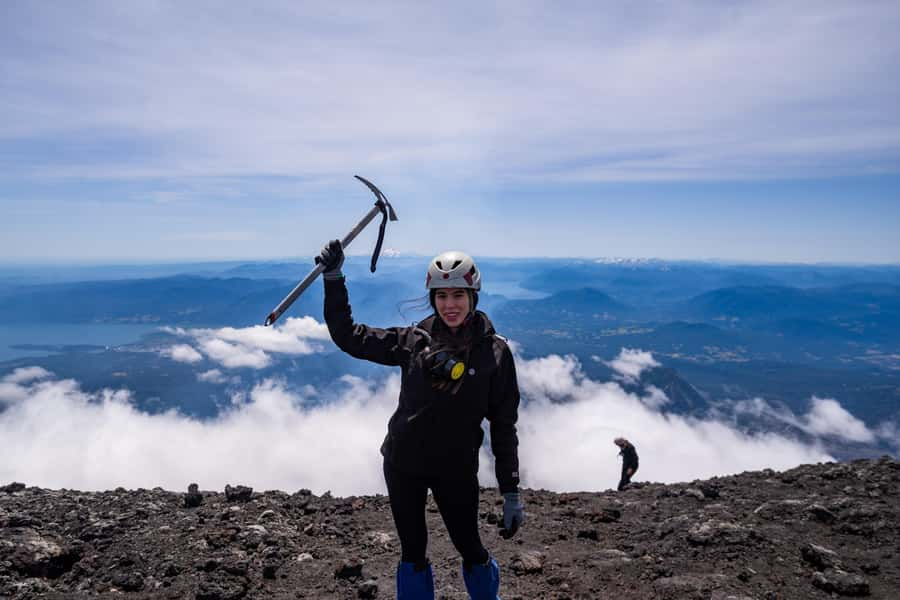
Villarrica is not a gentle walk with a volcano in the background. You climb for five to six hours toward a 2,848-meter summit, then peer into the crater, sometimes seeing lava below. I like the proper mountain equipment and the steady guide-led pace, which make a serious outing feel more manageable. I also like the descent: snow sliding in cooler seasons turns hard work into a memorable reward.
The catch is simple: this is a demanding, weather-dependent climb with about 1,570 meters of elevation gain. Wind, cold, altitude, and a long uphill push can end the day for anyone who arrives underprepared, so you need strong fitness, warm layers, water, food, and a good attitude.
Key points to know before climbing Villarrica
- A real summit climb: You spend five to six hours gaining height before reaching the crater at 2,848 meters.
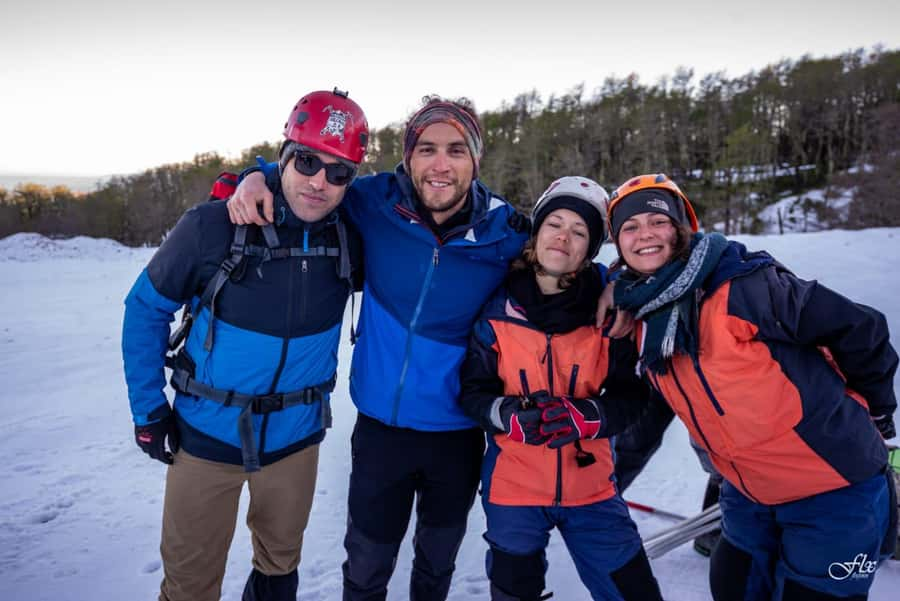
- Technical gear is supplied: Crampons, an ice axe, mountain footwear, a helmet, trekking poles, and protective clothing are included.
- The views improve with every hour: You can see Pucón, Villarrica, nearby lakes, and other volcanoes as you climb.
- Guides teach practical snow skills: On suitable terrain, you may practice using crampons and stopping a slide with an ice axe.
- The descent changes by season: Snow slides are used in winter, autumn, and spring, while summer descents are made on foot.
- Pack more food and water than you think: Two liters of water is required, and the long day calls for snacks such as fruit, sandwiches, chocolate, or cookies.
Why Villarrica is such a serious day out
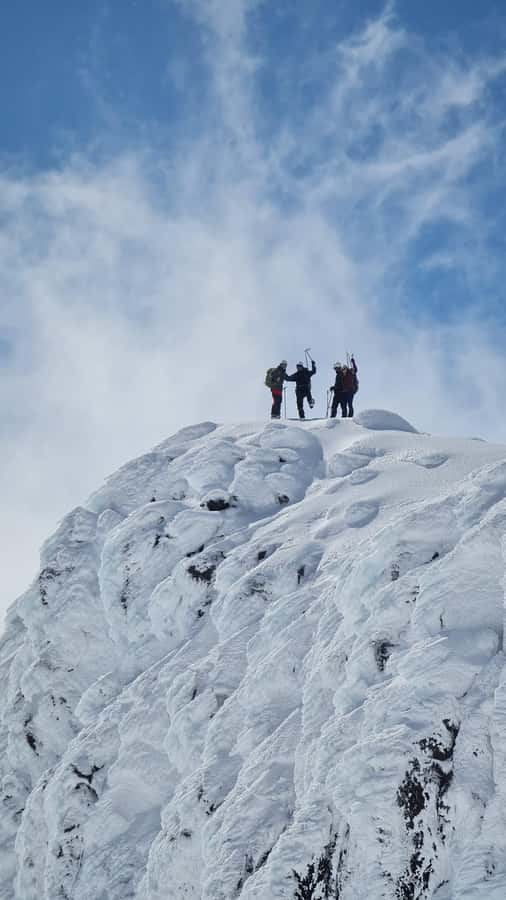
The appeal of this climb is not just reaching a high point. Villarrica is an active volcano, and the summit gives you a direct look into its crater and unusual geological form. Depending on activity at the time, you may see lava inside.
That possibility adds a little tension to the climb, but the view is the main reward. From higher on the route, Pucón and Villarrica open below you, with lakes and neighboring volcanoes spreading across the distance. The changing view gives you something to focus on during the slower parts of the uphill push.
This is also a proper mountain day rather than a sightseeing trip with a short walk. You should expect cold conditions near the glacier, exposed sections, wind, and a sustained ascent. One recent outing faced strong wind, which made an already hard climb tougher.
The route gains roughly 1,570 meters, according to the practical experience of one participant. That figure matters more than the total distance. You will be walking uphill for hours, often at a measured pace, and the final approach can feel very different from the easier start.
More volcano and hot spring days around Chile
- Santiago: Cajon del Maipo, Termas Colinas & Embalse El Yeso
★ 4.4 · 266 reviews - Pucón: Villarrica Volcano Climb
★ 4.8 · 191 reviews - Santiago: Cajon del Maipo Termas Colina Trip
★ 4.5 · 160 reviews
Starting at Terra Volcano at 6:00 am
You meet at Terra Volcano, at Av. Bernardo O’Higgins 717, local 4, inside Bulevar Patagonia. The early start is useful because the mountain schedule depends on weather and daylight, and it gives the group a chance to reach the trailhead before conditions change later in the day.
At the office, the team provides your equipment and checks the fit. You are also required to visit the office one day before the climb to test the gear. Do not treat this as a minor formality. Properly fitted boots, crampons, clothing, and a backpack can make a long day much safer and more comfortable.
The supplied equipment includes:
- Helmet
- Backpack
- Mountain footwear
- Crampons
- Ice axe
- Trouser cover
- Windproof jacket
- Trekking poles
- Gloves
- Activity insurance
You still need to bring your own sunglasses, sun hat, warm hat, sunscreen, food, and water. Pack at least two liters of water, plus food for the full day. A sandwich, fruit, cookies, and chocolate are sensible choices because you may want small portions during the climb rather than one large meal.
The 30-minute ride to Villarrica National Park
The drive from the office to the base takes about 30 minutes. This is a useful transition from town to mountain, and it also gives you a final chance to check layers and make sure your phone is charged.
At Villarrica National Park, the group receives a safety briefing of about 10 minutes. The guides explain the plan, go over the equipment, and prepare you for the conditions ahead. The activity is offered with live guiding in English, French, and Portuguese.
The climb begins at about 7:30 am. A steady pace is the right approach here. Trying to rush the early section may feel impressive for a while, but it can leave you drained before the steepest and coldest portions. One strong outing used a natural split in the group, allowing people to move at different speeds while still receiving guide support.
That is worth remembering if your own group includes mixed fitness levels. The mountain does not become easy because the guides are good, but a measured pace and sensible regrouping can make the day more workable.
The uphill route and the glacier section
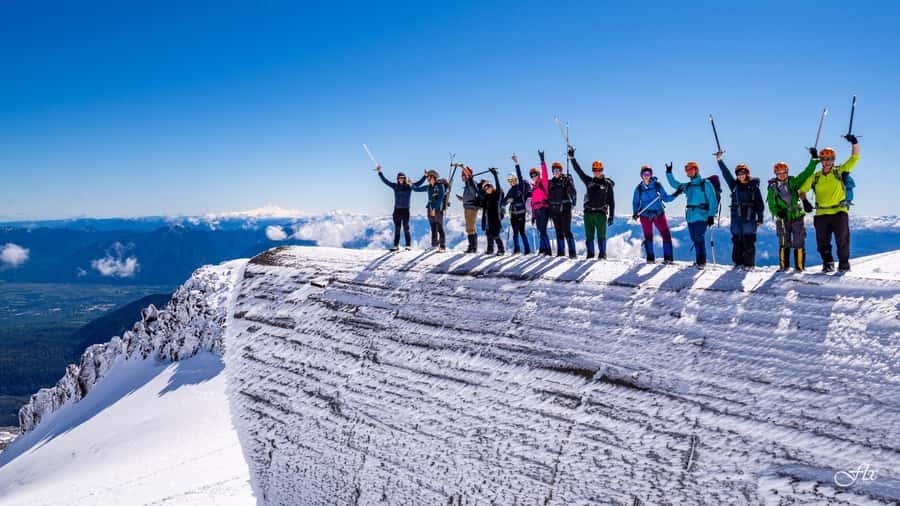
The lower part of the climb gives you time to settle into the rhythm. You walk continuously for several hours, with broad views of Pucón, Villarrica, the lakes, and other volcanoes appearing as you gain height.
The upper mountain requires more care. Near the glacier, you use crampons and ice axes under the direction of the guides. These tools are not just decorative mountain gear. Crampons give your boots grip on icy snow, while the ice axe helps with balance and can be used to stop a slide.
The guides may teach you how to self-arrest, which means using the ice axe and body position to halt a slip on snow. You should pay close attention during this part. It is one of the most useful skills of the day, and it gives you a clearer sense of how to move safely on the upper route.
The exact climb depends on the day’s conditions. The company checks the weather the day before and again around the activity, and the ascent can change or be called off if conditions are unsuitable. That flexibility is a safety benefit, even if it means you cannot plan around the summit with complete certainty.
Expect the upper section to feel colder and more exposed. Windproof clothing, gloves, sunglasses, sunscreen, and a warm hat are all important. Snow can reflect strong sunlight, while cloud and wind can make the temperature drop quickly.
A few more trips around Chile worth a look
- Santiago: Cajon del Maipo/Embalse del Yeso Tour with Picnic
★ 4.3 · 3,789 reviews - Santiago: Vina Del Mar, Valparaiso, Casablanca & Reñaca Tour
★ 4.2 · 2,838 reviews - Small-Group Cajón del Maipo Full-Day Tour and Picnic
★ 4.5 · 2,277 reviews - Santiago: Cajon del Maipo & Embalse El Yeso Trip with Picnic
★ 4.5 · 1,859 reviews
Reaching the 2,848-meter crater
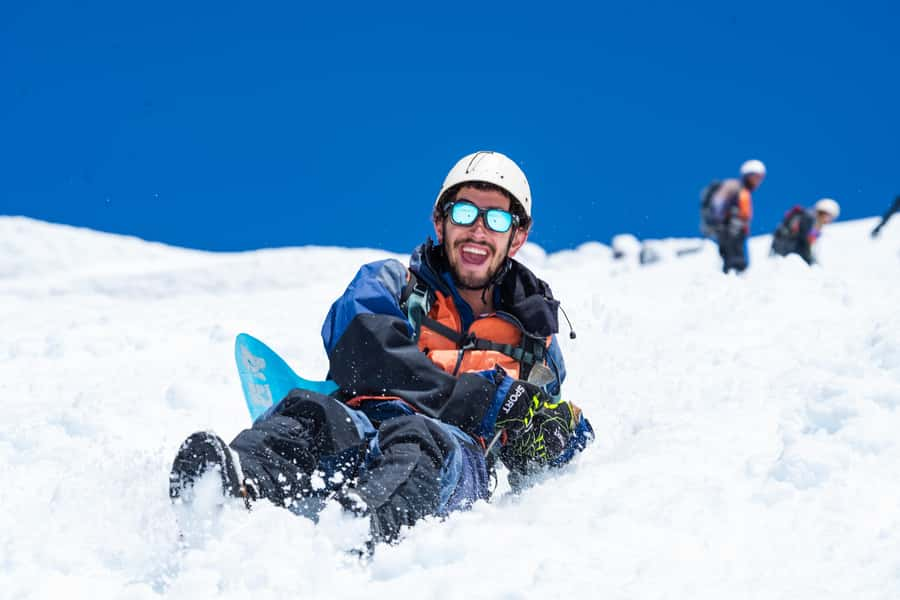
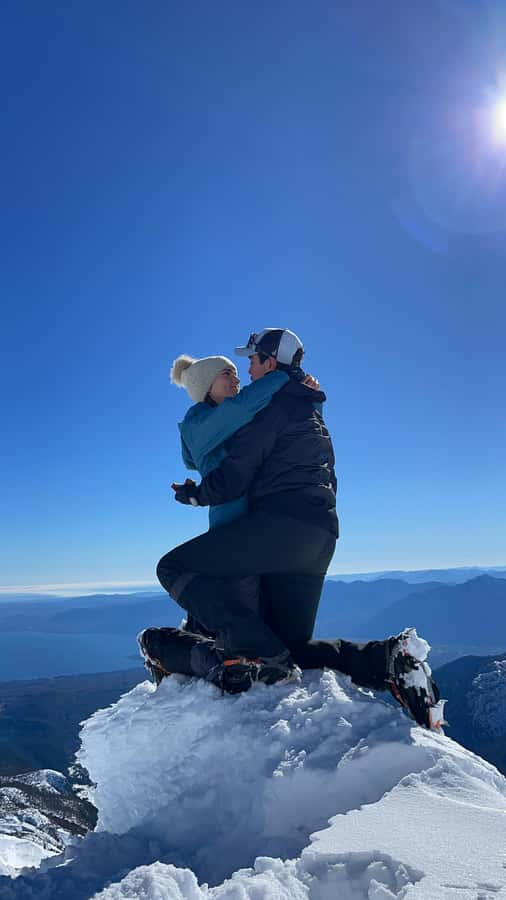
After roughly five to six hours of climbing, you reach the summit at 2,848 meters above sea level. This is the moment the long uphill effort becomes clear: below you are the town, lakes, and volcanic peaks, while the crater provides the unusual centerpiece.
You have about 10 minutes set aside for photographs and time at the summit. That is not a long stop, especially after a hard climb, but it gives you a chance to look into the crater and record the achievement before beginning the descent.
Depending on volcanic activity, lava may be visible inside. You should not count on seeing it, since the activity varies, but the chance adds a rare geological element to the outing. This is not simply a mountain viewpoint. You are standing above an active volcanic crater.
The summit can also be windy. Keep your extra layer accessible rather than buried at the bottom of your pack. You will want to enjoy the view without wasting your short summit stop searching for a jacket.
Why the descent can be the best part
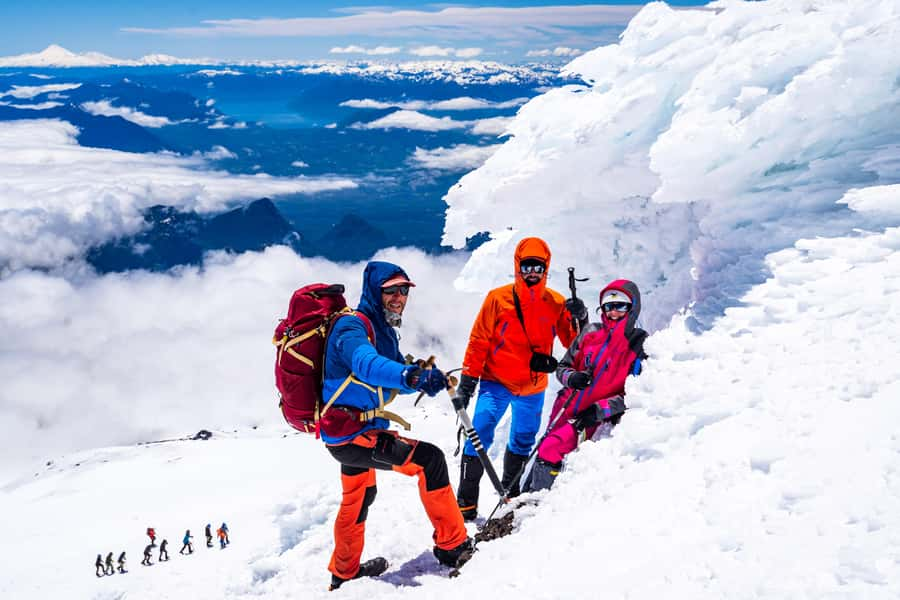
The way down depends on the season. In winter, autumn, and spring, the group uses snow slides where conditions permit. You descend by sliding down prepared snow sections, with the guides directing the process. This can make the return much faster and far more playful than the climb up.
One recent outing described the slide down the glacier as the highlight of the day. That reaction makes sense: after hours of placing one foot in front of the other, sliding gives you a sudden burst of speed and turns the descent into its own experience.
In summer, you descend on foot instead. That means you should not book the climb solely for the snow slide. The summit, crater, and views remain the main reasons to go, while the sliding is a seasonal bonus.
The return to the base takes between two and four hours. That range reflects changing snow conditions and the route used. Even when sliding is possible, you should not assume the entire descent will be effortless.
Back at the base, transportation takes you to Pucón in about 30 minutes. At the office, the team celebrates with cold beer in summer or hot chocolate in winter. That small finish fits the day well, especially after several hours in mountain conditions.
How the guides affect the experience
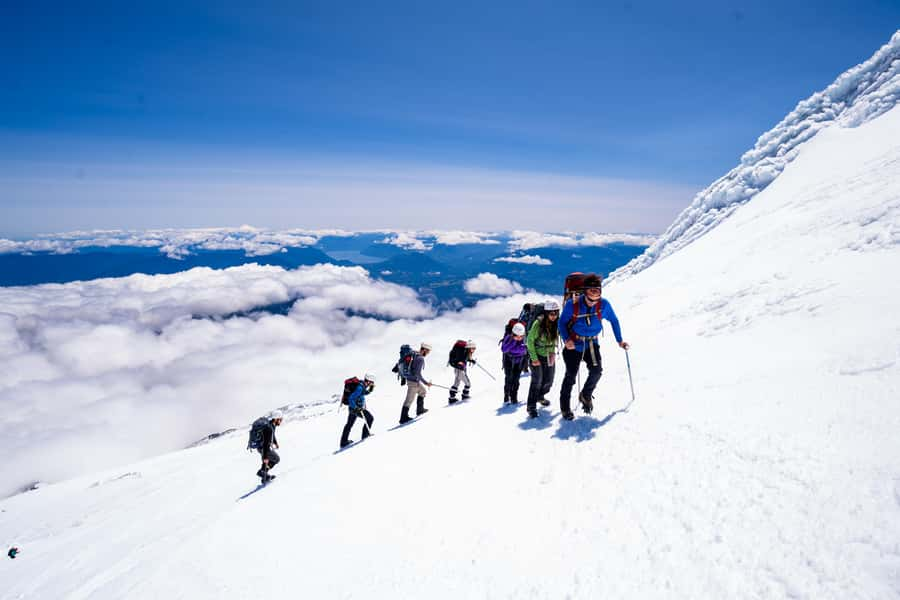
A good guide matters on Villarrica because the climb involves more than following a marked path. You need help with pacing, equipment, snow travel, and decisions about changing weather.
Felipe, Cristian, and JR received especially strong praise after leading a group with different hiking abilities. They helped people with crampons and ice axes, explained self-arrest, and allowed the group to split naturally into two sections while maintaining support.
You should not assume those exact guides will lead every departure, but their approach gives you a useful standard. Look for clear instruction, calm pacing, and practical help rather than a rushed race to the summit.
The activity is also suitable for people who are not fluent in Spanish, since English, French, and Portuguese guiding is available. Confirm your preferred language when booking, especially if mountain safety instructions are a concern.
Is the $185 price good value?
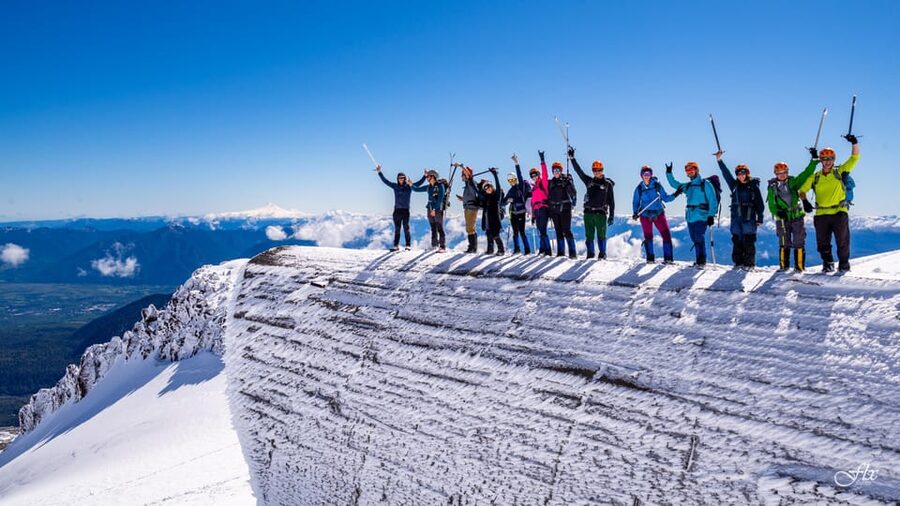
At $185 per person, this is not a cheap half-day outing. It is a full 510-minute mountain activity, and the price includes transport, the Villarrica National Park entrance, a certified guide, activity insurance, and a sizeable set of technical equipment.
That equipment changes the value calculation. If you had to rent mountain boots, crampons, an ice axe, a helmet, poles, gloves, and protective clothing separately, the cost and hassle would rise quickly. You also avoid arranging transport to the national park on your own.
The price is easier to justify if you want a guided summit attempt and do not already own alpine gear. It is harder to justify if you are looking for a relaxed volcano viewpoint or a short walk near Pucón. You are paying for a demanding, specialist day rather than a casual excursion.
The ability to reserve now and pay later gives you some planning flexibility, and cancellation is free up to 24 hours before the activity. The more important practical point is the weather check. Keep some flexibility in your Pucón schedule if reaching the summit matters to you.
Who should book this climb?
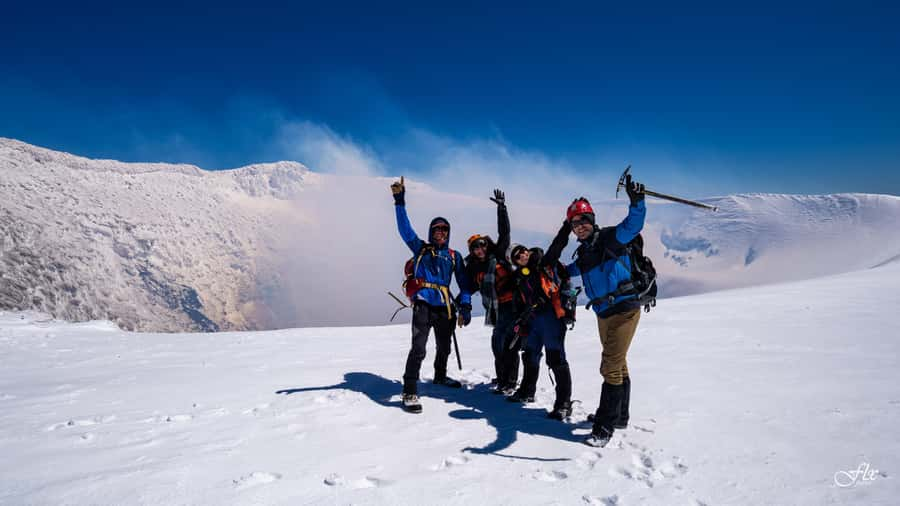
You should consider it if you are fit enough for a long uphill day and comfortable with cold, wind, snow equipment, and a possible altitude challenge. You do not need to be an expert mountaineer, but you do need to take the guides seriously and accept that the climb will be tiring.
This is a strong choice for someone who wants a physical challenge with a clear payoff. The crater, possible lava, snow travel, and views toward Pucón and the lakes give the effort real purpose.
It is not suitable for pregnant women, anyone with vertigo, children under 18, people with respiratory problems, people affected by altitude sickness, or anyone recovering from recent surgery. You also cannot take part while intoxicated, and smoking, alcohol, drugs, littering, and unaccompanied minors are not allowed.
Prepare like you are going to spend a full day outside, not like you are taking a short city tour. Wear comfortable clothing and hiking pants, bring a long-sleeved shirt and spare layers, protect your eyes and skin, and carry enough food to stay steady.
Should you book the Villarrica Volcano ascent?
Book it if you want one of Pucón’s biggest physical challenges and you are prepared for a long, weather-dependent climb. The combination of a genuine volcanic crater, technical snow equipment, trained guides, and a seasonal slide descent gives the day more substance than a standard viewpoint trip.
Skip it if you dislike steep climbs, cold exposure, uncertain weather, or early starts. The $185 price is fair for the equipment and support included, but the real cost is your energy. Arrive ready, pack extra snacks and water, and you may earn one of Chile’s most memorable mountain days.
FAQ
What time does the activity begin?
You meet at Terra Volcano at 6:00 am. The drive to Villarrica National Park takes about 30 minutes, and the hike begins at approximately 7:30 am.
How long does the full activity last?
The listed duration is 510 minutes, or about eight and a half hours. The uphill climb takes roughly five to six hours, and the descent takes about two to four hours, followed by transportation back to Pucón.
What equipment is included?
The activity includes a helmet, backpack, mountain footwear, crampons, an ice axe, trouser covers, a windproof jacket, trekking poles, gloves, transport, the national park entrance, a certified guide, and activity insurance.
What should I bring?
Bring warm clothing, comfortable clothes, hiking pants, a long-sleeved shirt, socks, sunglasses, a warm hat, a sun hat, sunscreen, food, drinks, and at least two liters of water. A charged smartphone is also recommended.
Is the summit guaranteed?
No. The ascent depends on the weather conditions, which are checked the day before and at the time of the activity. Conditions can affect whether the climb goes ahead.
Can I cancel the booking?
You can cancel up to 24 hours in advance for a full refund. You can also reserve now and pay later, which allows more flexibility when planning your time in Pucón.
Just added around Chile
- Volcanic Refuges: Excursion to Underground Civilization★ 4.7 · 8 reviews
- Walking City Tour with Funicular, Cable Car and Tasting★ 4.3 · 6 reviews
- Viña del Mar and Valparaiso: guided day tour★ 4.2 · 8 reviews
- Ascent to Villarrica volcano 2,847masl, from Pucón★ 4.8 · 36 reviews
- Viña del Mar and Reñaca 4-Hour Pacific Coast Tour★ 4.7 · 14 reviews
- Viña del Mar: Guided city tour★ 4.9 · 10 reviews
- Private: Viña del Mar and Valparaiso Day Tour★ 5.0 · 5 reviews
- VIÑA DEL MAR AND VALPARAISO TOUR★ 4.8 · 20 reviews
Villarrica Volcano & Pucón Tours, compared.
Cajon del Maipo, Termas Colinas & Embalse El Yeso
Read our review →
Cajón del Maipo Hot Springs & Chilean Barbecue
Read our review →
Browse the lists this tour appears in