
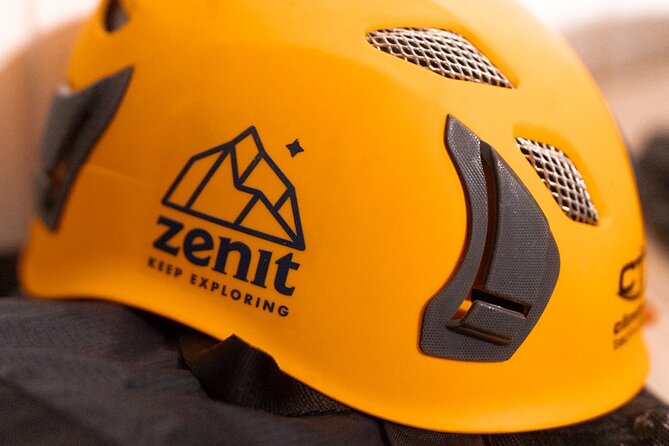
Reviewed · VILLARRICA VOLCANO & PUCóN TOURS
Villarrica Volcano Ascent – Zenit
Villarrica is not a tame mountain with a tidy trail to a viewpoint. It is one of South America’s most active volcanoes, rising to 2,847 meters above Pucón. With Zenit, you climb through changing mountain conditions, beginning on foot with poles and moving into crampons and an ice axe on steeper, more exposed snow.
I like the way the day feels like a real mountaineering outing rather than a simple scenic walk. I also like the small maximum group of 12 and the steady support from guides such as Luisa, Felipe, Agustin, Leo, Edgar, and Jorge. The snow-slide descent adds a playful finish after a demanding climb.
The main catch is the weather. Clouds, frost, wind, and poor visibility can turn the summit into a hard endurance test, and volcanic activity may close the crater edge. You should allow at least four flexible days in Pucón if reaching the top matters to you.
Key points to know before climbing Villarrica
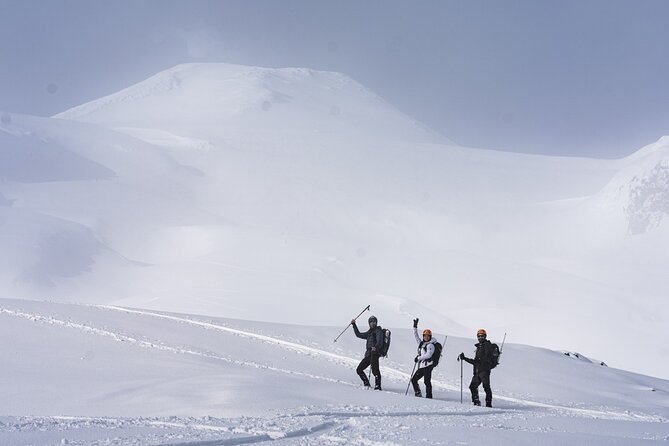
- The summit reaches 2,847 meters: You gain about 1,700 meters in elevation, so this is a serious physical day, not a casual hike.
- The equipment changes with the mountain: You may use walking sticks, trekking boots, crampons, and an ice axe as the route becomes more exposed.
- The crater experience can change: You may see fumaroles and, if conditions allow, incandescent magma, but access to the crater edge can be restricted by volcanic activity.
- The descent is part of the fun: Snow sections can be descended on a board, locally described as skibunda or snow tobogganing.
- The day starts early: Meet at Pedro de Valdivia 205 in Pucón at 6:00 a.m. The nine-hour schedule includes about three hours of transfers.
- Weather flexibility matters: Poor conditions can cancel the outing, with a new date or full refund offered by the operator.
Why Villarrica is more than a viewpoint hike
The appeal of this climb is the volcano itself. Villarrica is sacred to the Mapuche people and remains visibly active, with fumaroles near the summit. You are not simply walking up a large hill for a photograph. You are approaching a live volcanic system under the care of a mountain guide.
That distinction matters when you decide how to spend your time and money in Pucón. The outing costs $195 per person, which is not a small day-trip price. But the fee includes admission and the technical equipment needed for the climb, along with guides and transport time. You are paying for a managed high-mountain experience, not just access to a trail.
I would still treat the price as good value only if you want the climb itself. If you mainly want broad views of the lakes, easier walks around Pucón may suit you better. Villarrica asks you to work for those views.
More volcano and hot spring days around Chile
- Santiago: Cajon del Maipo, Termas Colinas & Embalse El Yeso
★ 4.4 · 266 reviews - Pucón: Villarrica Volcano Climb
★ 4.8 · 191 reviews - Santiago: Cajon del Maipo Termas Colina Trip
★ 4.5 · 160 reviews
A 6:00 a.m. start in Pucón
Your day begins at Zenit’s meeting point at Pedro de Valdivia 205 in Pucón. The start time is 6:00 a.m., and the full outing lasts about nine hours. Three of those hours are used for transfers to and from the volcano, so the mountain portion occupies much of the remaining day.
That early departure is practical. Mountain conditions can change quickly, and a morning start gives the group time to climb, assess conditions, and return within daylight hours. It also means you should arrange breakfast before meeting, since no meal is included in the information provided.
A preparatory meeting takes place at the Zenit agency the day before. This is when you receive more details about the plan and try on the trekking boots. I consider that a useful step, especially because badly fitting footwear can make an already tiring climb much harder.
The group limit is 12 people. That is small enough for guides to monitor the pace and help during difficult sections, while still giving the day a social feel. One outing used four guides for a small group, and the guide team’s encouragement was especially useful when the climb became tiring.
The lower slopes and the first 1,700 meters
The ascent gains about 1,700 meters. That figure tells you more than the nine-hour duration does. You need a moderate level of physical fitness, and you should expect a long day with sustained uphill effort.
The lower part begins with walking sticks and ordinary hiking movement. You may also have the option of taking a snow lift on the first stretch. Since the lift is described as a possibility rather than a guarantee, do not plan your whole day around avoiding this opening section on foot.
As you gain height, the nature of the climb changes. The route moves from straightforward walking to steeper and more exposed terrain, where crampons and an ice axe become important. The equipment is not decoration. It lets you keep traction and balance on snow and ice while the guides manage the group’s progress.
The climb is tiring, but the pace includes stops. Those pauses give you time to regain energy and let the guides check how everyone is handling the altitude and effort. You should not expect a fast race to the summit. The goal is to climb safely and keep the group together.
I like this gradual change in technique. You get to feel the difference between hiking and mountaineering in a single day. At the same time, anyone who dislikes cold, steep snow, or repeated uphill effort should think carefully before booking.
Crampons, ice axes, and the serious part of the route
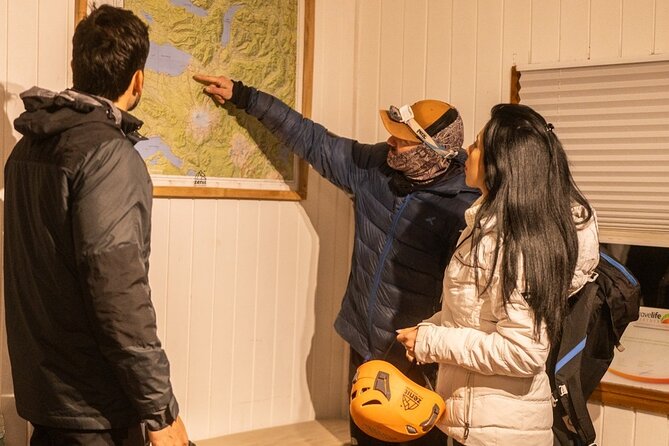
The more exposed upper sections are where this outing earns its mountaineering label. You may use crampons and an ice axe, with the guides supporting you through the changing terrain. That makes guide quality central to the experience.
The Zenit team includes guides named Luisa, Felipe, Agustin, Leo, Edgar, and Jorge. You will not necessarily have every one of them on your particular departure, but the group is supported by experienced mountain staff. Their role is not only to lead the way. They also help with the equipment, explain what is happening, and keep spirits up when your legs start to protest.
A useful sign of good guiding is the attention paid to tired climbers. On this outing, encouragement and regular stops helped people continue during the hardest part of the ascent. That does not make the climb easy, but it can make the difference between a frustrating day and a successful one.
You should listen closely to the guides when conditions change. The mountain can be climbed in one set of conditions and restricted in another. The published information does not promise access to the crater rim, and current volcanic activity may keep you farther from the edge for safety.
A few more trips around Chile worth a look
- Santiago: Cajon del Maipo/Embalse del Yeso Tour with Picnic
★ 4.3 · 3,789 reviews - Santiago: Vina Del Mar, Valparaiso, Casablanca & Reñaca Tour
★ 4.2 · 2,838 reviews - Small-Group Cajón del Maipo Full-Day Tour and Picnic
★ 4.5 · 2,277 reviews - Santiago: Cajon del Maipo & Embalse El Yeso Trip with Picnic
★ 4.5 · 1,859 reviews
The summit, fumaroles, and uncertain views
The summit is the dramatic reward. From the top, you may observe the volcano’s activity through fumaroles. If the weather allows, you might see incandescent magma inside the crater, though this is clearly a possibility rather than a promise.
Do not book this expecting a guaranteed molten-lava view. Weather, visibility, and volcanic restrictions all matter. One successful climb reached the summit in weather so poor that visibility was only about 10 meters, making it impossible to see the far side of the crater. That is an important warning: reaching the top does not always produce a clear panorama.
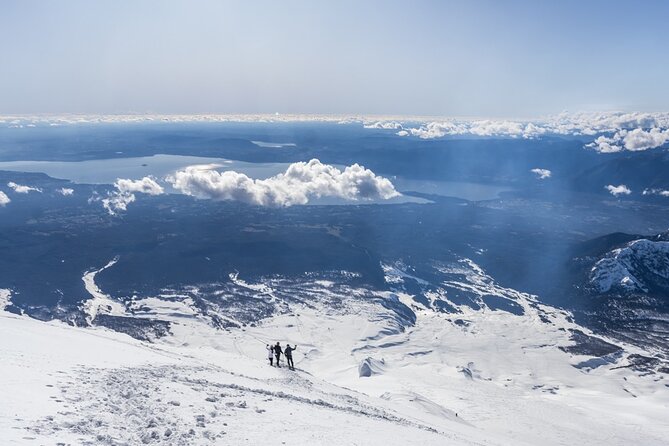
On a better day, the descent offers wide views toward the lakes and the surrounding geography. The setting explains why Pucón is such a strong base for outdoor activities. Villarrica gives you a high view of the volcanic environment, rather than a single isolated lookout.
The crater itself may also be off limits. Current activity once prevented access to the crater edge, yet the climb still remained worthwhile because the route, summit, guides, and descent provided a full mountain day. I would judge success by the whole outing, not only by how close you get to the crater.
A snow-slide descent with a practical twist
The way down is not simply a slow return over the same route. You may descend sections by sliding on snow with a board, a local-style snow tobogganing experience called skibunda. After several hours of climbing, this is a welcome change of pace.
It is also one of the most memorable details of the outing. You get the satisfaction of a demanding ascent followed by a playful descent. The sliding does not erase the physical work involved, but it keeps the return from feeling like a second full climb in reverse.
Still, snow conditions affect how enjoyable this section will be. Poor weather can make the descent difficult, especially if frost builds on your glasses or visibility drops. One climber dealt with frozen eyewear and a serious thigh cramp during the way down. That experience ended safely, but it shows why you should not treat the return as effortless.
Bring patience and follow the guides’ instructions. The descent is fun when conditions cooperate, but it remains part of a mountain outing, not an amusement-park ride.
Weather is the decision you cannot control
The biggest weakness of a Villarrica ascent is also the most obvious: you cannot order good weather. Conditions around the volcano can shift quickly, and the operator requires suitable weather for the activity.
You should build flexibility into your Pucón plans. Four available days gives you a much better chance of choosing a clear departure than a tightly packed itinerary with no room to move. If you have only one morning free, you may have to climb in poor visibility or miss the summit altogether.
If Zenit cancels because of poor weather, you will be offered another date or a full refund. You can also cancel for a full refund up to 24 hours before the start time. Cancellations or changes inside that 24-hour window are not refundable or accepted, so keep the local cut-off time in mind.
This policy is fair, but it does not solve the problem of limited vacation time. My advice is simple: schedule Villarrica early in your stay, then keep a spare day or two available. That gives you room to move the climb if the forecast turns bad.
What the $195 price really includes
At $195 per person, this is one of the pricier activities you might consider in Pucón. The value comes from the combination of technical gear, transport, admission, and guide support.
Zenit provides the equipment needed for the ascent, including trekking boots, crampons, and an ice axe. You do not need to assemble a mountaineering kit for a single outing, which is a major convenience. The price also covers the activity’s admission ticket and the transfers included in the nine-hour schedule.
The group size helps the value. A maximum of 12 people is not private guiding, but it is far more manageable than a large coach group. The day’s guide support is especially important during the upper sections, where equipment, pacing, and safety matter.
I would not choose this activity because it is cheap. I would choose it because the price removes several practical barriers to trying a real volcano ascent. If you already own mountain equipment and have independent climbing experience, you may judge the cost differently. For most people visiting Pucón for a single climb, the included gear and support make the fee easier to justify.
Who should book this climb?
You should consider it if you want a challenging outdoor day, have moderate physical fitness, and are comfortable with the chance of cold, steep snow and changing visibility. You should also enjoy guided group activities, since the pace and decisions are shared with the guides and other climbers.
This is a good fit for someone who wants more than a viewpoint and likes the idea of learning basic mountain movement with sticks, crampons, and an ice axe. The summit fumaroles and possible magma view add a rare volcanic element, while the snow-slide descent keeps the day from feeling too formal.
It is a poor fit if you need a guaranteed crater-edge visit, a clear summit panorama, or a fixed schedule with no room for weather changes. It is also not the right choice if you are looking for a relaxed walk. The 1,700-meter gain and nine-hour day require real effort.
My advice before you commit
Book this tour if the climb is one of your main reasons for visiting Pucón. Schedule it near the beginning of your stay, keep at least four days flexible if possible, and attend the agency meeting to sort out your boots and understand the plan.
The published score is 5 out of 5 from 111 ratings, with 99 percent recommending the experience. That matches the strongest practical point here: Zenit’s guides and equipment make a difficult outing more approachable. The mountain still decides how much you see, though.
If you can accept that uncertainty, Villarrica offers a memorable blend of volcanic activity, mountaineering technique, lake views, and snow play. If you need comfort and certainty, spend your Pucón budget elsewhere.
FAQ
How long does the Villarrica Volcano ascent take?
The experience lasts about nine hours, including travel time. About three hours of that total is used for transfers to and from the volcano.
What time and where does the tour begin?
The tour starts at 6:00 a.m. at Pedro de Valdivia 205, 4920552 Pucón, Araucanía, Chile.
How high is Villarrica Volcano?
Villarrica Volcano reaches 2,847 meters. The climb gains about 1,700 meters in elevation.
Is equipment provided?
Yes. Zenit provides the equipment needed for the climb, including trekking boots, crampons, and an ice axe. Walking sticks are also used during part of the ascent.
Can you see lava at the summit?
If the weather allows, you might see incandescent magma inside the crater. You can also observe volcanic activity through fumaroles, but the view is not guaranteed.
Is access to the crater edge guaranteed?
No. Access can be restricted because of intense volcanic activity. One outing reached the summit area without being allowed to approach the crater edge.
How many people can join the activity?
The maximum group size is 12 people.
What happens if bad weather cancels the climb?
You will be offered a different date or a full refund if Zenit cancels the activity because of poor weather.
Just added around Chile
- 4 TOUR IN ATACAMA IN 3 DAYS★ 4.6 · 12 reviews
- Horseback Private Wine Tour and Country Grill from Santiago★ 5.0 · 52 reviews
- Traditional City Tour★ 5.0 · 58 reviews
- Private Horseback Adventure in the Andes, with Picnic & Wine★ 5.0 · 61 reviews
- Walking Tour Valparaiso, History & Art – Private Optional★ 4.5 · 59 reviews
- Atacama Desert: Horseback Adventure with Scenic Views★ 4.7 · 42 reviews
- Santiago: City Highlights Walking Tour★ 4.2 · 51 reviews
- Puerto Varas: Peulla Day Trip★ 4.5 · 57 reviews
Villarrica Volcano & Pucón Tours, compared.
Cajon del Maipo, Termas Colinas & Embalse El Yeso
Read our review →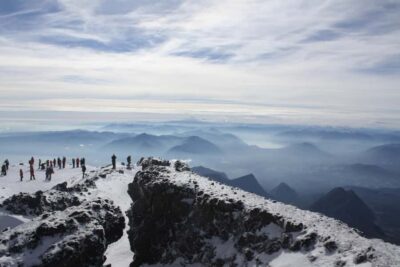
Cajón del Maipo Hot Springs & Chilean Barbecue
Read our review →
Browse the lists this tour appears in