
Reviewed · MOON VALLEY & RAINBOW VALLEY TOURS
San Pedro de Atacama: Shared Moon Valley Tour
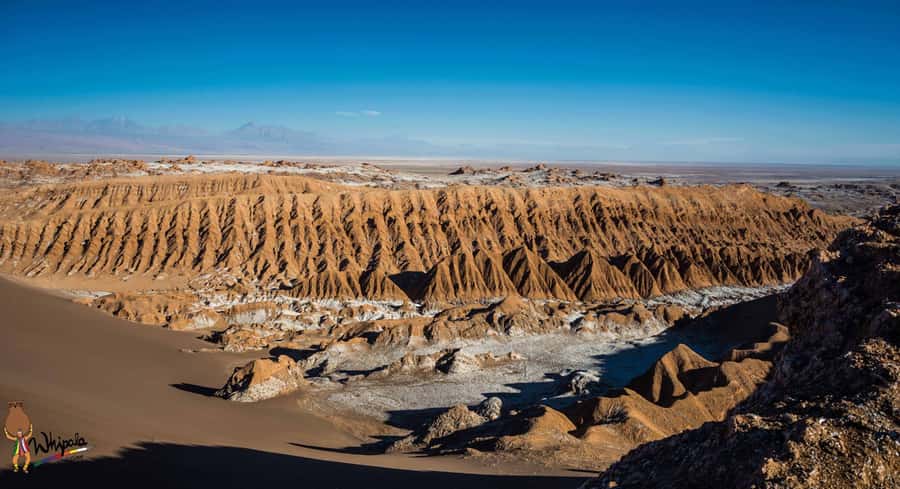
Moon Valley earns its name with blunt honesty: this is a world of salt, wind-cut rock, bare sand, and strange stone shapes that look more lunar than earthly. The afternoon route builds toward sunset at Ckari viewpoint, where Piedras del Coyote frames the desert in a memorable final view.
I like the mix of short walks and several viewpoints, which lets you see a lot without committing to one long trek. I also like the price: $32 is fair for transport, a guide, and four hours in the reserve, though you must add the National Reserve entry fee of 10,800 Chilean pesos. The main drawback is simple: if you do not enjoy sand, walking, and repeated rock views, parts of the outing may feel slow.
Key points to know before you go
- Sunset is the grand finale: The longest stop lasts about 70 minutes at Ckari viewpoint, also called Piedra del Coyote.
- You visit the essential Moon Valley sights: Major Dune, the Amphitheater, and the Three Marys Formation all appear on the route.
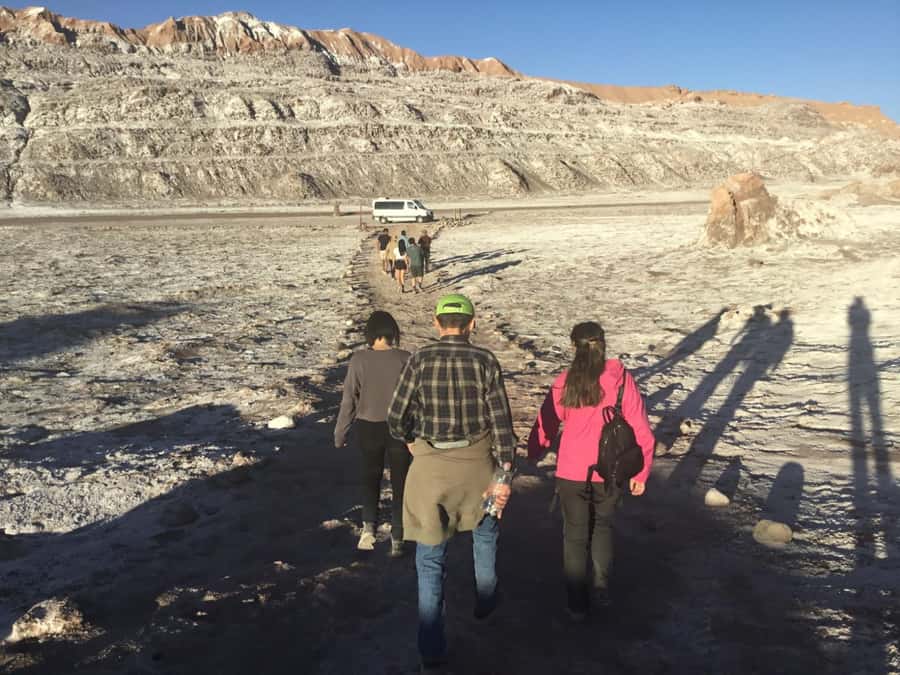
- The walking is broken into short sections: You move between stops by vehicle, then walk and hike at each site.
- The reserve ticket costs extra: Buy the 10,800 Chilean peso ticket in advance at valledelaluna.com.
- Guides work in English and Spanish: Named guides connected with departures include Sheryl, Ernie, Cris, and Nicolas, but your guide is assigned by the operator.
- This is not an easy-access outing: It is unsuitable for children under eight, pregnant women, people with mobility impairments, and people over 70.
Why Moon Valley works best in the late afternoon
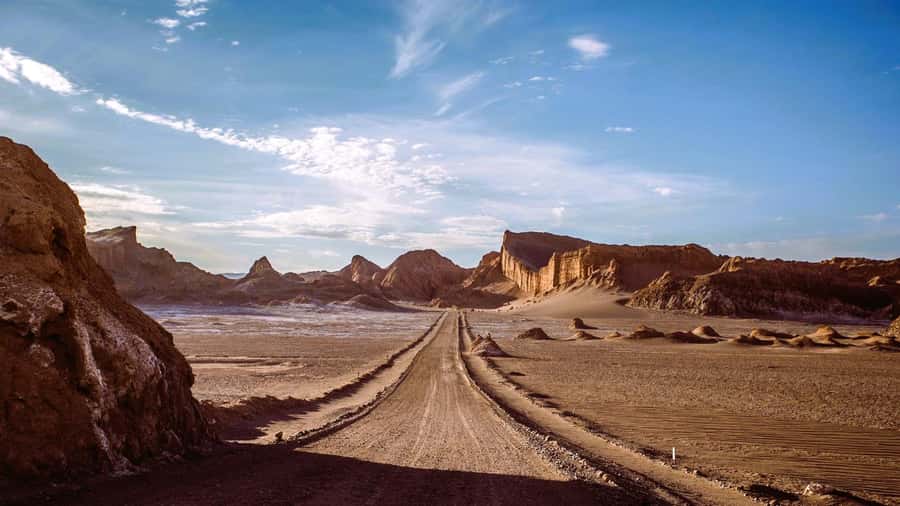
Moon Valley is not a place of green plants, old buildings, or busy attractions. Its appeal comes from shape, color, silence, and scale. Salt deposits and eroded rock create ridges, hollows, sharp formations, and broad sand slopes. The setting can feel stark, but that starkness is exactly the point.
The afternoon timing makes sense because the low sun gives the rock more texture. Bright midday light can flatten the desert into one pale mass. Later, shadows sharpen the folds and cliffs, and the final hour at Ckari brings the changing color that many people come to see.
You meet at the Whipala Expedition agency at Tocopilla 418 in central San Pedro de Atacama. The listed presentation time is 15:50 in summer and 14:50 in winter. Check the current schedule when you book, since the start time follows the season and the reserve may change its operating hours.
The group travels in a shared bus or coach. The vehicle rides are short, generally 10 to 30 minutes, so the outing does not leave you sitting in a bus for most of the afternoon. The operator requires at least six people to run the service. If that number is not reached, your group joins another partner agency.
More Moon Valley and Rainbow Valley trips from San Pedro de Atacama
- Piedras Rojas, Altiplanics Lagoons & Salar Full-Day Tour
★ 4.7 · 592 reviews - San Pedro de Atacama: Valle de la Luna Guided Tour
★ 4.4 · 312 reviews - Valle de la Luna (Moon Valley) from San Pedro de Atacama
★ 4.5 · 145 reviews
Major Dune gives you the first wide desert view
After a short ride and a brief safety talk at an initial stop, you continue to Duna Mayor, or Major Dune. Allow about 40 minutes here for a guided visit, photos, and walking.
This is one of the most useful stops early in the outing because it gives you a sense of the desert’s size. You see a large body of sand rising against the harder rock formations, with open views along the route. The stop is less about checking off a single object and more about noticing how wind and time shape the valley.
Wear shoes with a firm sole. Sand can work into open footwear, and the slope may make flimsy sandals awkward. You also need water and sunscreen, even if the air feels cooler than expected. Atacama light remains strong, and there is little natural shade.
Your guide adds context about how the Andes formed, how the valley’s minerals developed, and how the rock was shaped over millions of years. That explanation matters here. Without it, Major Dune is a striking photo stop. With it, you begin to understand why the ground changes from soft sand to hard, folded rock within a short distance.
The Amphitheater shows Moon Valley’s rougher side
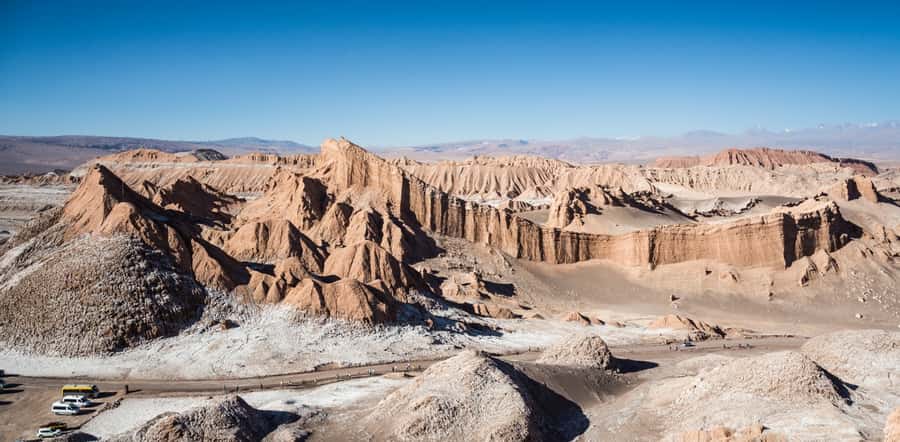
After another short transfer, the route reaches the Amphitheater area. You have about 15 minutes for a guided visit and photographs.
The name fits the broad, curved rock formation. It is a quick stop, but it helps break up the scale of the valley. Look for the way the surrounding walls gather the view into one large natural bowl. If your guide points out mineral colors or layers, take a moment to compare the exposed surfaces rather than rushing straight to the camera.
This is also where the shared-tour format becomes clear. You have a set time at each stop, and the vehicle needs to keep moving so the group reaches the sunset viewpoint. You will not have unlimited time to wander off alone. That tradeoff is reasonable for the price, but independent hikers may prefer a slower visit.
Tres Marias turns rock into a local landmark
The Three Marys Formation, known historically as Los Tres Vigilantes, comes next. The stop lasts about 20 minutes and includes walking, photographs, and an explanation from the guide.
The formations are slender, unusual rock shapes that have become one of Moon Valley’s signature sights. Their outlines are easy to recognize, which makes this a good stop for a short introduction to the area’s older names and local stories. The rock is fragile, so stay on the permitted route and do not climb the formations.
You may find this stop more satisfying after Major Dune and the Amphitheater because the scenery has already given you a visual vocabulary. You have seen broad sand, rounded walls, and eroded surfaces. Here, the eye starts picking out how wind and erosion leave some pieces standing while wearing others away.
The scheduled visit is brief. If you want long walks and quiet time at each formation, this tour may feel brisk. If you prefer a guided route that covers the key sights without spending all day in the reserve, the pacing is helpful.
A few more trips around San Pedro de Atacama worth a look
- San Pedro de Atacama: El Tatio Geysers Tour
★ 4.7 · 943 reviews - San Pedro de Atacama: Etno-Stargazing Tour with Transfer
★ 4.8 · 629 reviews - San Pedro de Atacama: Stargazing Experience
★ 4.7 · 489 reviews - San Pedro Atacama: Baltinache Lagoons
★ 4.6 · 359 reviews
Ckari viewpoint saves the best light for last
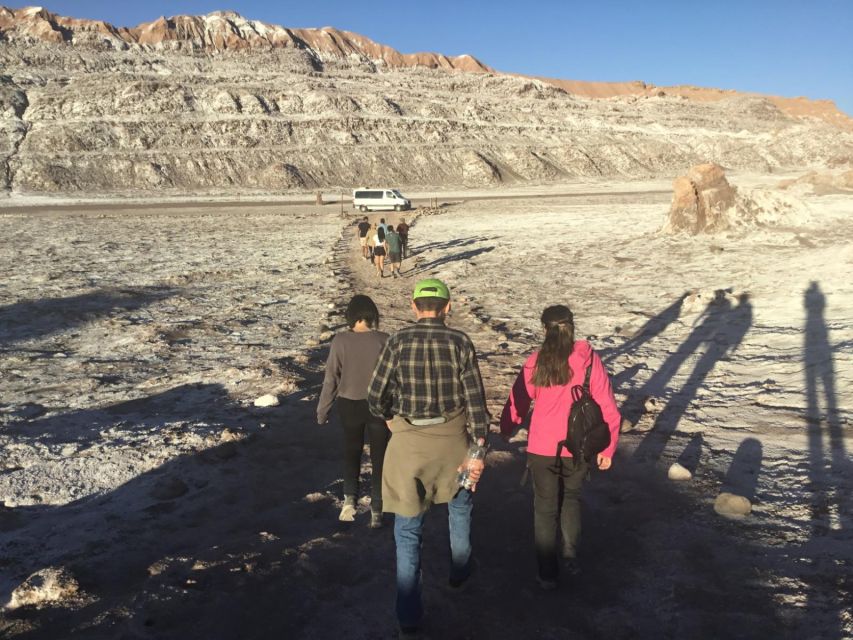
The final major stop is at Mirador de Ckari, also called Piedra del Coyote or Coyote Stone. The route allows about 70 minutes for hiking, scenery, and sunset.
This is the part I would plan around. The viewpoint looks across the rough folds and open reaches of Moon Valley, and the setting sun changes the mood from pale and severe to warmer and more sculpted. You have time to walk, find a viewing position, and watch the light shift rather than being rushed through one quick photograph.
The Coyote Stone name refers to a notable rock at the viewpoint. It gives the scene a clear foreground and helps your photos show depth. Still, sunset depends on weather, cloud, and reserve rules. No guide can promise a perfect sky, and the Indigenous communities that administer the reserve can close it or change its hours during bad weather or emergencies.
Bring an extra layer for this stop. San Pedro’s afternoon may feel warm in the sun, but standing still at sunset can feel cooler. Clothing suited to changing conditions is specifically recommended, along with hiking shoes, water, and sunscreen.
What the guide adds to a very exposed place
Moon Valley needs some interpretation. The formations are easy to photograph but harder to understand at a glance. A good guide connects the shapes to minerals, erosion, and the geological story of the Andes, giving you more to notice than color and shadow.
The guide quality is a major part of the experience. Departures have included guides named Sheryl, Ernie, Cris, and Nicolas. Sheryl is described as bringing strong energy to the outing, while Ernie and Cris are noted for making the visit engaging and informative. Nicolas is described as helping the group connect and keeping people together, with Ariel handling the driving on one departure.
Those names do not guarantee who will lead your trip. The useful point is that the operator has received especially strong praise for guide enthusiasm, clear English, and care with the group. English and Spanish are available, though some material may be presented in its original language.
If your guide explains mineral deposits or the Andes in detail, listen closely during the vehicle rides. The short transfers give you a chance to ask questions and rest your legs before the next walk.
The walking is manageable, but it is still desert walking
The route divides the walking into several short visits instead of one continuous hike. You walk at Major Dune, the Amphitheater, the Three Marys, and Ckari, with vehicle transfers between them.
That structure suits you if you want exercise but not a full-day trek. It also lets you see different parts of the reserve without carrying a large pack for hours. The final 70-minute stop is the longest stretch, and it includes walking before and during sunset.
The ground can be sandy, uneven, and exposed. You should be comfortable walking outdoors and standing for extended periods. The tour is not suitable for people with mobility impairments, pregnant women, children under eight, or people over 70, according to the stated restrictions.
One blunt warning: the desert may look empty, but the sun is not gentle. Use sunscreen, carry water, and bring clothing suited to the weather. Alcohol and drugs are not allowed, and alcoholic drinks cannot be taken in the vehicle. Drones are also prohibited.
What $32 really covers
At $32 per person, this is a good-value way to reach Moon Valley. You get shared transport from central San Pedro, a live guide, several key stops, guided walking, and a sunset visit without arranging your own vehicle.
The reserve entrance is not included. The additional cost is 10,800 Chilean pesos per person, and you need to buy the ticket before the tour at valledelaluna.com. If you have trouble purchasing it, the operator provides a contact number, +56 9 6650 1961, for help.
Once that fee is added, the total is higher than the headline price, so include both amounts in your budget. Even so, the package remains practical if you want the standard Moon Valley route and do not need a private vehicle.
Food and drinks are not included. Eat before leaving or carry what you need, while remembering that alcoholic drinks are not allowed in the bus. A bottle of water is essential, not optional.
The shared format also keeps the price down. You give up control over how long you spend at each site, but you gain transportation and a guide who handles the route. For a first visit to San Pedro, that is a sensible trade for many people.
Who will enjoy this afternoon most
I would choose this tour if you want the main Moon Valley sights in one half-day outing and care about sunset more than solitude. It suits photographers, first-time visitors, and anyone who wants a clear introduction to the formations without planning transport.
It also works well if you enjoy learning how places were made. The strongest guide comments focus on explanations of minerals, erosion, and the Andes, not just on pointing out photo stops.
I would hesitate if you dislike sand or prefer a slow, private pace. One four-star assessment found the outing somewhat boring because it involved a lot of sand and walking. That is a fair warning, not a flaw in the operation. Moon Valley is exactly what it claims to be: a large, bare desert area with repeated rock and sand views.
Check your expectations before booking. You are not signing up for a shaded nature walk, a meal, or a long adventure hike. You are signing up for striking geology, short walks, shared transport, and an evening view.
Booking details worth handling early
The meeting point is Tocopilla 418, in downtown San Pedro de Atacama. The return is to the town center, which is convenient if you have evening plans nearby.
The operator offers free cancellation up to 24 hours before departure and allows you to reserve now and pay later. That helps if your wider Atacama schedule may shift, though you still need to confirm the current departure time.
Reserve the reserve entrance separately before the outing. This is the one practical step most likely to cause trouble if left until the last minute. Keep your ticket details available when you meet the group.
The reserve is administered by Indigenous communities. If bad weather or an emergency changes opening hours, the reserve may close or limit access, and that decision is outside the agency’s control.
Should you book the Moon Valley shared tour?
Book it if you want a well-priced route through San Pedro’s most famous desert sights, with a guide to explain what you are seeing and a sunset finish at Ckari. The strong rating of 4.7 from 135 recorded bookings reflects the tour’s main strengths: striking scenery, friendly guides, clear explanations, and a satisfying final viewpoint.
Before you commit, add the 10,800 Chilean peso entry fee, bring water and proper shoes, and accept the shared schedule. If sand, short hikes, and a four-hour group outing sound fine, this is an easy choice for a first look at Moon Valley. If you want silence, long independent walks, or more comfort, pay extra for a private option instead.
FAQ
How long does the Moon Valley tour last?
The advertised duration is four hours. The route includes short bus rides, guided walks, several viewpoints, and about 70 minutes at Ckari for sunset.
Where does the tour start?
You meet at the Whipala Expedition agency at Tocopilla 418 in downtown San Pedro de Atacama.
What time should I arrive?
The presentation time is 15:50 in summer and 14:50 in winter. Check the current schedule when booking.
Is the National Reserve entrance fee included?
No. The entrance ticket costs 10,800 Chilean pesos per person and must be purchased before the tour at valledelaluna.com.
Which sights are included?
The route includes Major Dune, the Amphitheater, the Three Marys Formation, and Ckari viewpoint, also known as Piedra del Coyote.
Are food and drinks included?
No. Food and beverages are not included, so bring water and make your own meal arrangements. Alcoholic drinks are not allowed in the vehicle.
What languages are available?
The tour offers live guiding in English and Spanish. Some content may be presented in its original language.
Who should not join this tour?
The activity is not suitable for children under eight, pregnant women, people with mobility impairments, or people over 70.
Just added around San Pedro de Atacama
- 4 TOUR IN ATACAMA IN 3 DAYS★ 4.6 · 12 reviews
- Atacama Desert: Horseback Adventure with Scenic Views★ 4.7 · 42 reviews
- Altiplanic Lagoons & Piedras Rojas Tour from San Pedro de Atacama★ 4.5 · 87 reviews
- Guided tour to the Tatio Geyser breakfast at Geyser Blanco★ 4.5 · 81 reviews
- Sandboarding Tour in San Pedro de Atacama, Chile★ 4.9 · 77 reviews
- Atacama: San Pedro de Atacama Sunrise Hot Air Balloon Ride★ 4.7 · 76 reviews
- Full Atacama – SORBAC (private groups)★ 5.0 · 76 reviews
- Full Day Tour Piedras Rojas Altiplanic Lagoons Chaxa Lagoon★ 5.0 · 75 reviews
Moon Valley & Rainbow Valley Tours, compared.
Piedras Rojas, Altiplanics Lagoons & Salar Full-Day Tour
Read our review →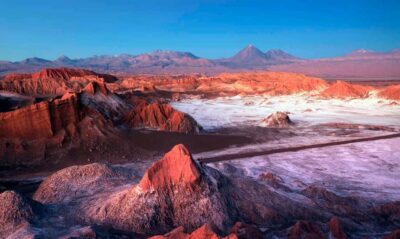
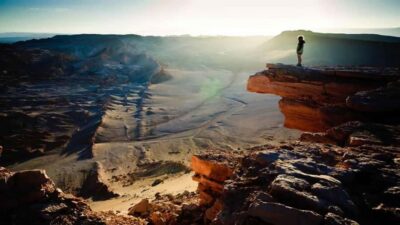
Valle de la Luna (Moon Valley) from San Pedro de Atacama
Read our review →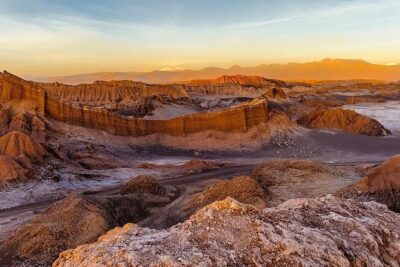
Small-Group Tour to Moon Valley from San Pedro de Atacama
Read our review →
Altiplanic Lagoons & Piedras Rojas Tour from San Pedro de Atacama
Read our review →
Full Day Tour Piedras Rojas Altiplanic Lagoons Chaxa Lagoon
Read our review →Browse the lists this tour appears in