
Reviewed · ATACAMA STARGAZING TOURS
San Pedro de Atacama: Etno-Stargazing Tour with Transfer
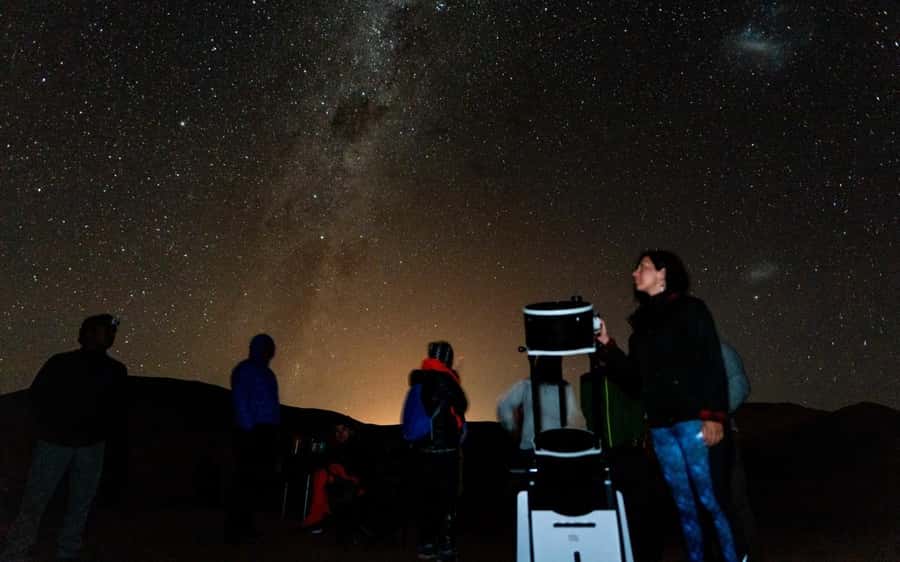
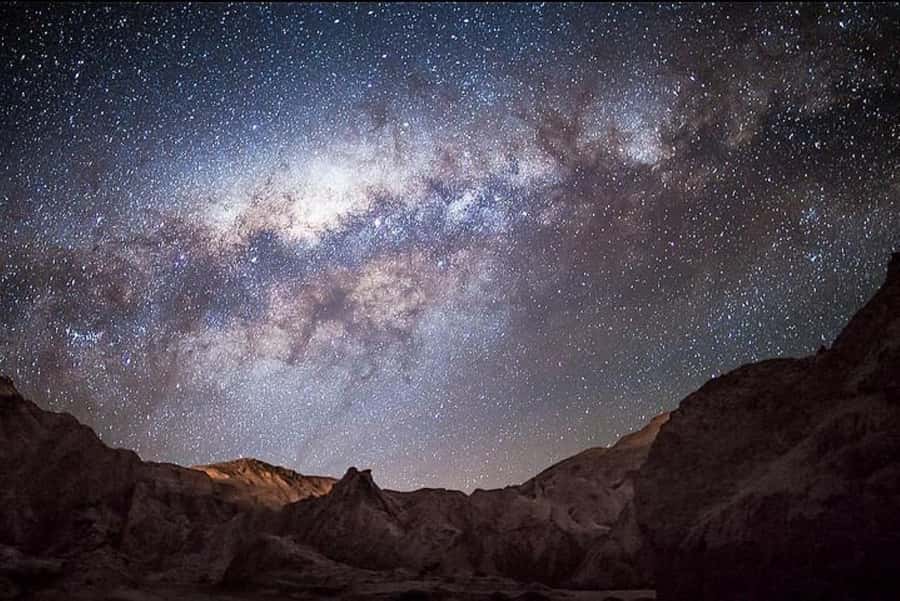
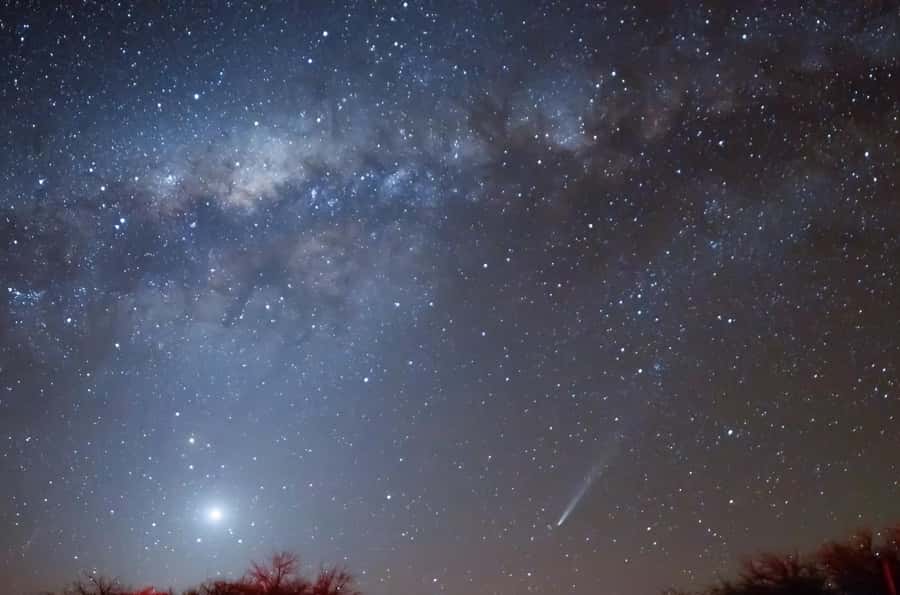
The best part of this San Pedro de Atacama evening is the chance to see the Southern Hemisphere sky through a large telescope, then learn how Andean cultures read the Milky Way long before European astronomy arrived. The desert’s dry, dark air gives the stars room to show off, and the guide helps you make sense of what you are seeing.
I especially like the two-part astronomy lesson and the chance to use the telescope yourself, rather than simply watch a guide point at the sky. I also like the personal finish: a courtesy photo under the stars, followed by coffee, tea, or red wine.
The main catch is the cold. The desert can feel bitter at night, even after a warm day, and a bright moon can wash out fainter stars. Check the lunar calendar before booking, and bring serious layers.
What makes this stargazing evening worthwhile
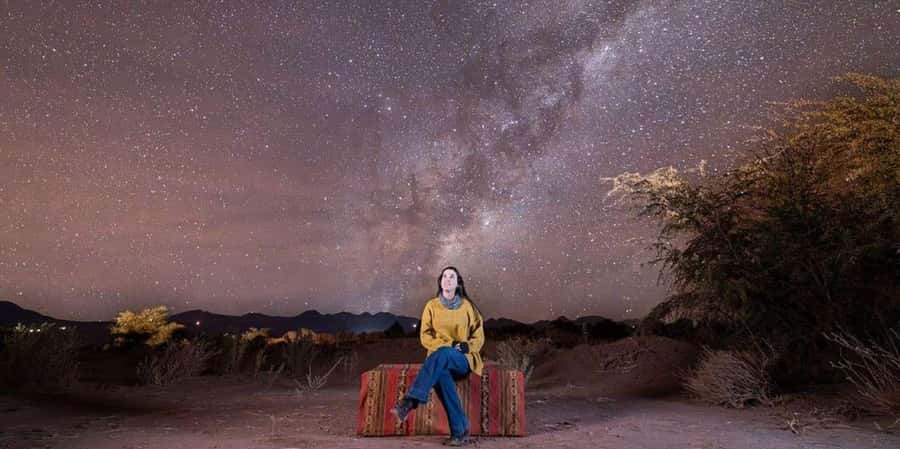
- Greek and Andean sky stories: Learn two very different ways of understanding constellations, the Milky Way, animals, water, time, and life after death.
- Large telescope viewing: With help from the guide, you may see planets, star clusters, binary stars, nebulae, galaxies, or other objects visible during your visit.
- A dark desert setting: The viewing site is about 10 to 15 minutes from San Pedro, far enough from town lights for a clearer sky.
- Guides who teach, not just point: Felipe, Claudio, Salvador, Yvonne, and other astronomy guides have led sessions in English and Spanish.
- A useful souvenir: The included sky photo is sent by email, though full-moon periods can limit the photo style.
- Good value at $41: Transport, instruction, telescope use, drinks, and a photo are included in a 150-minute evening.
From San Pedro to a darker patch of desert
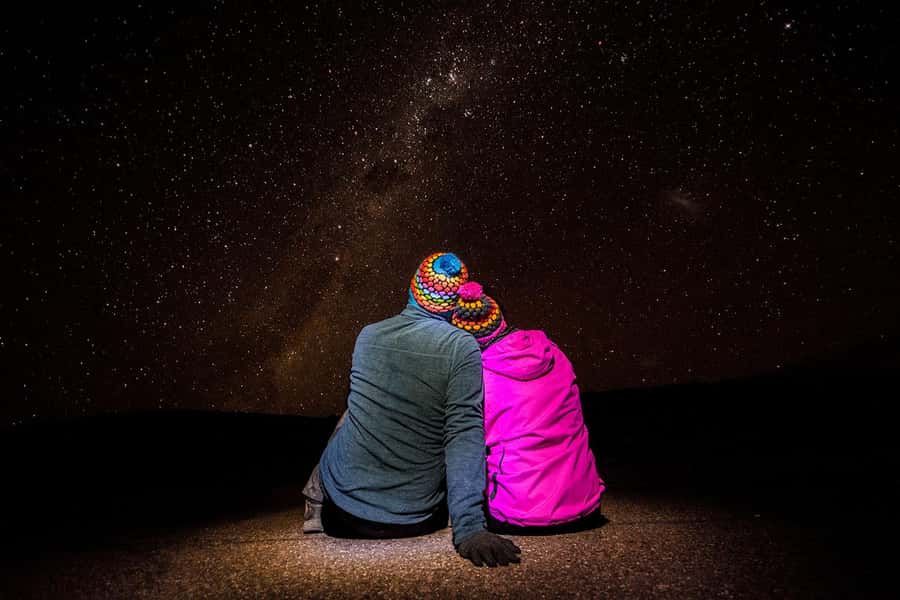
The evening begins with pickup in San Pedro de Atacama. The stated meeting point is Restaurant Tara at Licancabur 10, with return to Licancabur 10 or Restaurant Tara. Pickup is listed at 7 p.m. from April through August and around 9 to 9:20 p.m. during Chile’s summer time.
Allow a little patience at the meeting point. One guide, Felipe, once went looking for a couple who could not find the restaurant because the name was not familiar locally. I would confirm the exact pickup details before sunset and arrive early, especially if you are staying somewhere outside the central streets. Pickup is included within San Pedro, but not from the ayllus.
The van ride takes about 15 minutes. That is just long enough to leave the town lights behind without turning the activity into a long transfer. At the viewing site, you settle in for the main 90-minute guided portion before a roughly 25-minute ride back.
The exact setting can vary, but the purpose is consistent: get away from the strongest lights and give your eyes a better chance to adjust. This matters in San Pedro. The desert is famous for its clear skies, but the town itself still has lamps and buildings that reduce contrast. A short drive makes a real difference.
More Stargazing Tours in San Pedro de Atacama
- San Pedro de Atacama: Stargazing Experience
★ 4.7 · 489 reviews - Astronomical Tour with Guide and Pick Up San Pedro de Atacama
★ 4.5 · 145 reviews - “Astronomical Adventure in San Pedro de Atacama”
★ 4.5 · 96 reviews
First look: stars, planets, and the Western sky
The first lesson uses the familiar Western approach to astronomy. You learn about the brightness and colors of stars, planets, constellations, the solar system, deep space, and the formation of the universe.
This section works well for beginners because you are not expected to arrive knowing the names of stars. Guides such as Felipe and Claudio use laser pointers and clear explanations to show you where to look. Salvador has also been praised for making complex ideas easy to follow, which matters when your attention is split between a lecture, a dark sky, and a telescope waiting nearby.
The reference to ancient Greece is useful here. Many constellation names used in modern Western astronomy come from Greek stories and later European traditions. The guide helps connect those names to the actual sky, so you are not simply memorizing a list of mythological figures.
What you see depends on the month, the weather, and the moon. A session might include a planet, a binary star, a cluster of stars, or a faint nebula. Saturn has been a particular highlight on some nights, while other sessions have focused on Antares, the crescent moon, and star clusters.
You should keep expectations sensible. Astronomy is not a fixed show, and the guide cannot promise a specific planet or galaxy. The sky changes with the season, and cloud cover or moonlight can alter the plan. That uncertainty is part of real stargazing, but it also means the experience is best for people who enjoy learning how to look, not only checking off one famous object.
The Andean sky, read as a living calendar
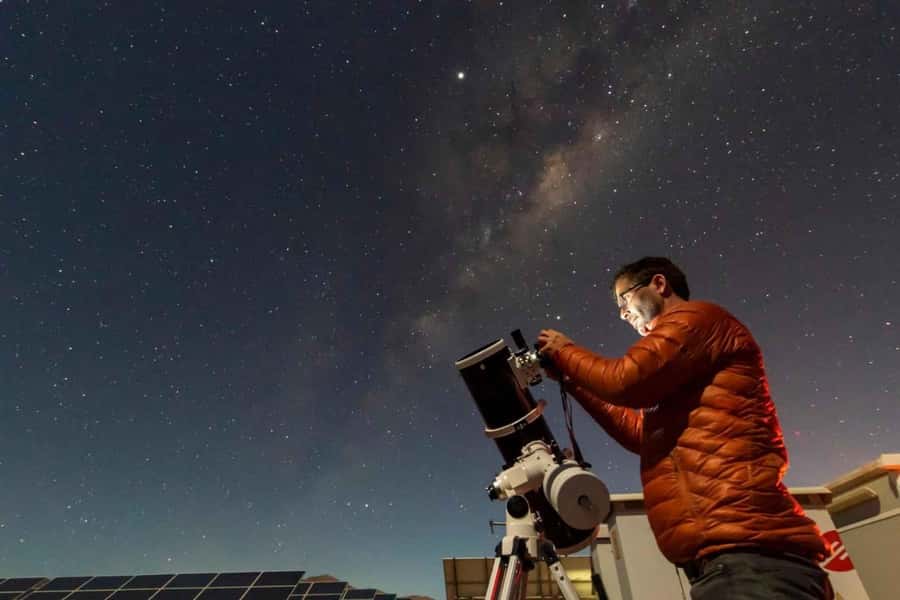
The second part shifts from Western astronomy to the sky traditions of the Andes. This is the section that gives the activity more depth than a standard telescope session.
The ancient inhabitants of the region did not look at the night sky only to name bright points of light. They read shapes in the dark spaces between stars and linked them to animals, rivers, water, daily schedules, and ideas about life after death. The Milky Way was not just a glowing band overhead. It formed part of a larger system of meaning.
You may hear about the Southern Cross, one of the key star patterns of the Southern Hemisphere. Seeing it is a simple pleasure, but understanding its importance gives the view more weight. The guide also explains how the Andean interpretation differs from the Greek and Western model.
I like this part because it avoids treating astronomy as a purely technical subject. You learn that the same sky can tell different stories depending on where you stand and what your culture needs from it. In a desert where water and seasonal timing matter deeply, the sky becomes a practical guide as well as a source of wonder.
The presentation is especially good for families and first-time stargazers. Guides keep the talk open to questions, and children can follow the animals and stories even when the more technical explanations become difficult. English and Spanish are available, and the English guides have been praised for speaking clearly.
Taking your turn at the telescope
The telescope session is the heart of the outing. Rather than looking at a projected image or a photograph, you step up and see the object through the equipment with guidance from the astronomy specialist.
The setup uses large telescopes, including mirror telescopes. The guide focuses the instrument and explains what you are seeing. Claudio, Felipe, and other guides have been careful to refocus the equipment for each object and answer questions while people take their turn.
The view through a telescope is not always like a glossy space-agency photograph. A planet may appear small but sharply defined. A star cluster can look like a scatter of bright points. A nebula or galaxy may be faint and require patience. The reward is learning to notice detail with your own eyes.
Depending on the season and conditions, possible targets include:
- Planets
- Individual stars and binary stars
- Star clusters
- Nebulae
- Galaxies
- Constellations and the Southern Cross
- The moon, including a crescent moon
The guide may ask what you would most like to see and adjust the order when possible. That personal touch matters. If you have already seen the moon through a telescope, you may prefer a cluster or planet. If this is your first time, the guide can start with an easy object before moving to fainter targets.
There can be some waiting when a group gathers around the equipment. Some departures have used two telescopes, which reduces queues, but the number of instruments and the group size can vary. Wear warm clothing even when you are standing. You are not moving enough to stay warm on your own.
More nights under the Atacama sky from San Pedro de Atacama
- San Pedro de Atacama: Guided Atacama Desert Stargazing Tour
★ 3.9 · 93 reviews
The cold, the drinks, and the star photo
Atacama days can be sunny and warm, but nighttime temperatures are a different matter. Several departures have included ponchos or blankets, and the guides make an effort to keep people comfortable. Still, I would bring a hat, warm jacket, extra layer, and closed shoes. Comfortable clothing is listed as essential, and that advice is not decorative.
The evening ends with coffee, tea, or red wine. Some sessions also finish around a bonfire with snacks and a small picnic-style spread. This gives everyone a chance to warm up and talk after standing under the sky. Hot chocolate has also been served on some evenings.
Alcohol and drugs are not allowed as personal items, so do not bring your own bottle. The included wine is provided by the operator, and the rules still apply during transport and the astronomy portion.
The courtesy photo is another welcome touch. The staff arrange a portrait with the stars behind you and send it by email. Several guides have helped people with poses and taken more than one image to get a good result.
There is one important limitation. During periods of strong moonlight, the included photo is taken only through the telescope eyepiece. That is different from a wide portrait showing you beneath a dark, star-filled sky. If the photograph matters a lot to you, choose a date near the new moon and check the lunar calendar first.
Weather and moonlight can change the plan
The tour depends on the sky, so the schedule is not fixed in the way a museum visit is. Clouds or poor weather can lead to a later start, a move to the same night, or a change to the following night. You should keep the evening free and avoid booking this immediately before an early airport transfer or a 5 a.m. excursion.
This flexibility is a strength rather than a flaw. One evening was delayed until 11 p.m. because the earlier sky was mostly cloudy, and the later start produced a better view. Another departure was adjusted with half a day’s notice to improve visibility.
A full or bright moon does not make the tour useless. You can still see the moon and brighter objects, and the guide can adapt the lesson. But faint stars, nebulae, and some galaxies are harder to see. If your main goal is a dense field of stars, aim for a darker lunar phase.
The operator will notify you if conditions require a change. Keep your phone available on the day and ask your accommodation to help if you are unsure about the pickup message.
Is $41 a fair price?
At $41 per person, this is strong value for a 150-minute evening. The price includes pickup and drop-off within San Pedro, a specialist astronomy guide, telescope equipment, drinks, and a digital photo.
You are also paying for interpretation, not just transport to a dark place. A cheaper informal outing might show you a clear sky, but it may not explain the difference between a binary star and a cluster, connect the Southern Cross to Andean traditions, or help you find objects through a telescope.
The value is strongest if you are curious about astronomy or want a structured first look at the southern sky. It is also a sensible choice for families because the guide can adjust the level of detail and keep children involved.
The price does not guarantee perfect visibility. Weather, moonlight, and seasonal timing remain outside anyone’s control. Think of the fee as paying for a well-prepared astronomy session with a good chance of clear viewing, not as buying a guaranteed list of planets.
Who should book this experience?
I would book this if you want more than a quick photo beneath the stars. It suits first-time stargazers, families with older children, couples, and anyone interested in the way Andean cultures understood the sky.
It is also a good companion to daytime desert trips. After seeing salt flats, volcanoes, and dry valleys in daylight, you get a different view of the region after dark. The short transfer keeps the night manageable.
You may want to skip it if you dislike late schedules, cold outdoor conditions, or plans that can change with the weather. It is not ideal for someone who wants a guaranteed specific planet or a large meal. The focus is astronomy, and the food and drinks are supporting touches rather than the main event.
The activity is wheelchair accessible, and English and Spanish guiding are available. Bring your passport or identification, comfortable shoes, warm clothing, and binoculars if you have them. Binoculars are optional, but they can make the wait between telescope turns more interesting.
Should you book the San Pedro stargazing tour?
Yes, if the night sky is high on your Atacama wish list. The combination of clear desert skies, a proper telescope, Andean sky knowledge, and a personal photo gives the evening more substance than a simple star watch.
Book near a darker moon phase, dress more warmly than you think necessary, and leave room in your schedule for a weather delay. At $41, it is one of the easier San Pedro activities to recommend, provided you understand that astronomy follows the sky, not the clock.
FAQ
How long does the Etno-Stargazing Tour last?
The activity lasts 150 minutes, including transportation and the guided astronomy experience.
Where does pickup take place?
Pickup is listed at Restaurant Tara, Licancabur 10, in San Pedro de Atacama. Return is to Licancabur 10 or Restaurant Tara.
Is transportation included?
Yes. Pickup and drop-off are included within San Pedro de Atacama, but pickup from the ayllus is not included.
What time does pickup happen?
Pickup is listed at 7 p.m. from April through August. During Chilean summer time, pickup is around 9 to 9:20 p.m. Exact timing can change with the weather.
What languages are available?
The live tour is available in English and Spanish.
What can I see through the telescope?
Depending on the season and conditions, you may see planets, stars, binary stars, star clusters, nebulae, galaxies, and constellations.
Will I see the Southern Cross?
The tour includes teaching about the Southern Cross and the southern sky. Actual visibility depends on weather, timing, and sky conditions.
What drinks are included?
Coffee, tea, or red wine are included. Some departures also finish with warm drinks, snacks, or a bonfire.
What should I wear?
Bring warm clothing, comfortable clothing, and comfortable shoes. The desert becomes very cold at night, and ponchos or blankets may also be provided.
Can the tour be changed because of weather?
Yes. Poor weather can lead to a later start or a change to the same or following night. You will be notified if the schedule changes.
Does the tour include a photo?
Yes. A courtesy photo with the sky is sent by email. During periods of strong moonlight, the photo is taken only through the telescope eyepiece.
Can I cancel the booking?
You can cancel up to 24 hours in advance for a full refund. A reserve-now, pay-later option is also available.
More Private Drivers in San Pedro de Atacama
- Santiago: Concha y Toro Vineyard Tour w/ Transfer & Tasting
★ 4.2 · 455 reviews - Private Transfer from Santiago Airport to Santiago
★ 4.0 · 330 reviews - Private Transfer from Santiago Airport or Hotel to San Antonio Hotel or Port
★ 4.0 · 92 reviews - Private Transfer from Santiago Hotel to SCL Airport
★ 4.5 · 85 reviews
Just added around San Pedro de Atacama
- 4 TOUR IN ATACAMA IN 3 DAYS★ 4.6 · 12 reviews
- Atacama Desert: Horseback Adventure with Scenic Views★ 4.7 · 42 reviews
- Sandboarding Tour in San Pedro de Atacama, Chile★ 4.9 · 77 reviews
- Atacama: San Pedro de Atacama Sunrise Hot Air Balloon Ride★ 4.7 · 76 reviews
- Full Atacama – SORBAC (private groups)★ 5.0 · 76 reviews
- Full Day Tour Piedras Rojas Altiplanic Lagoons Chaxa Lagoon★ 5.0 · 75 reviews
- Altiplanic Lagoons & Piedras Rojas Tour from San Pedro de Atacama★ 4.5 · 87 reviews
- Guided tour to the Tatio Geyser breakfast at Geyser Blanco★ 4.5 · 81 reviews
Atacama Stargazing Tours, compared.
Astronomical Tour with Guide and Pick Up San Pedro de Atacama
Read our review →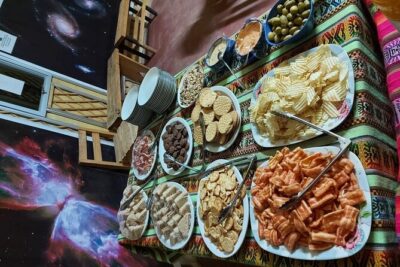
“Astronomical Adventure in San Pedro de Atacama”
Read our review →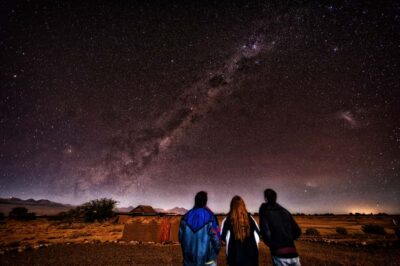
Browse the lists this tour appears in