
Reviewed · SAN PEDRO DE ATACAMA TOURS
San Pedro de Atacama: Wildlife Safari and Photography Tour
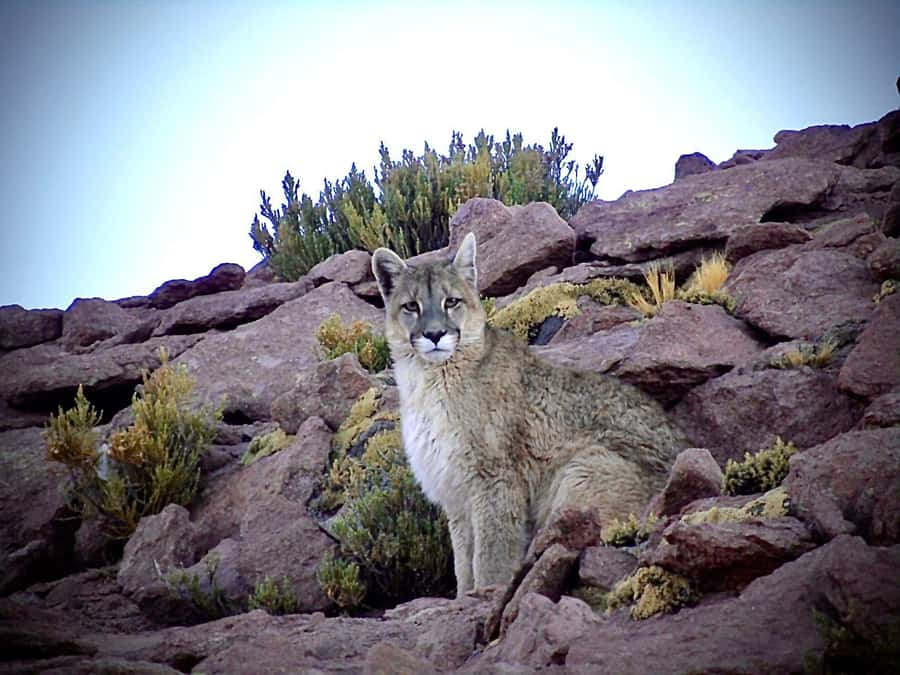
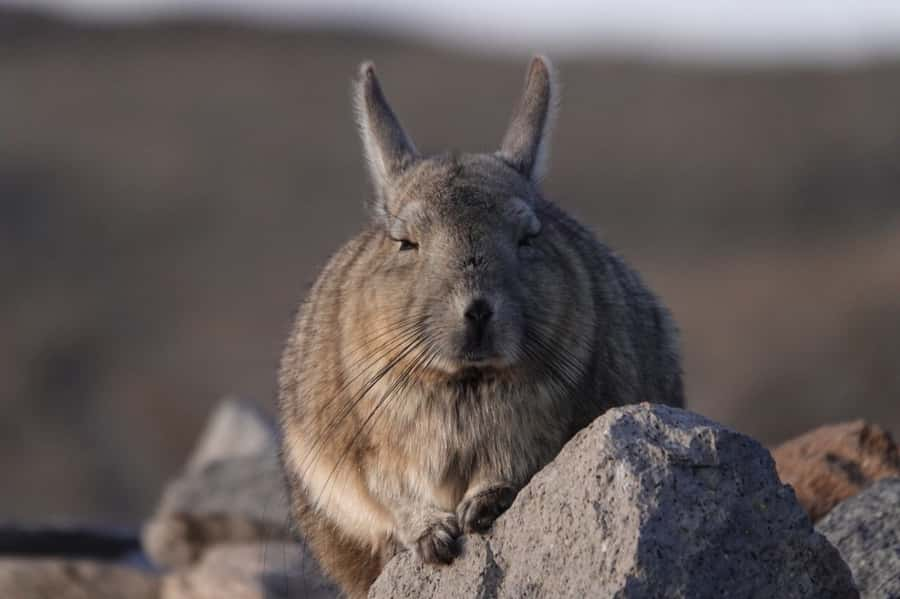
Flamingos in a high desert wetland, vizcachas tucked among dark rocks, and volcanoes rising behind the saltflats: this tour gives you a close look at the Atacama’s living side. Instead of rushing between famous viewpoints, you spend time searching for animals and learning how to spot them.
I like the small group of no more than four people, which gives Juan Pablo room to adjust the outing to your interests. I also like the practical photography kit: binoculars, field guides, a spotting scope, and phone adapters that let you capture better views without bringing a long camera lens.
The main thing to consider is the four-hour limit. You get a strong sample of the region, but this is not a full-day wildlife expedition, and animals remain wild. Sightings can never be promised, even with an excellent guide.
Key points to know before booking
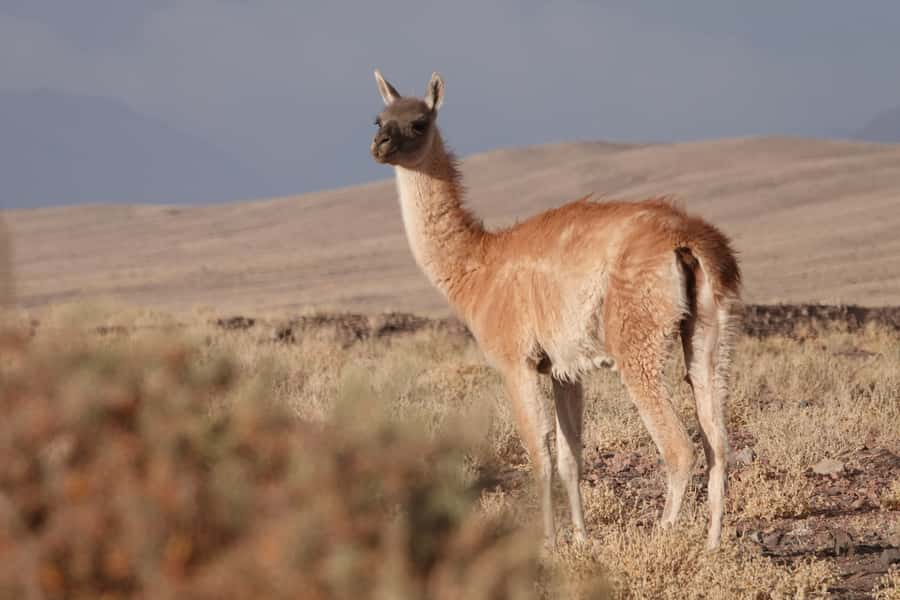
- Quirquincho Pass begins the wildlife search: Look for guanacos and vizcachas among the rocky mountain terrain.
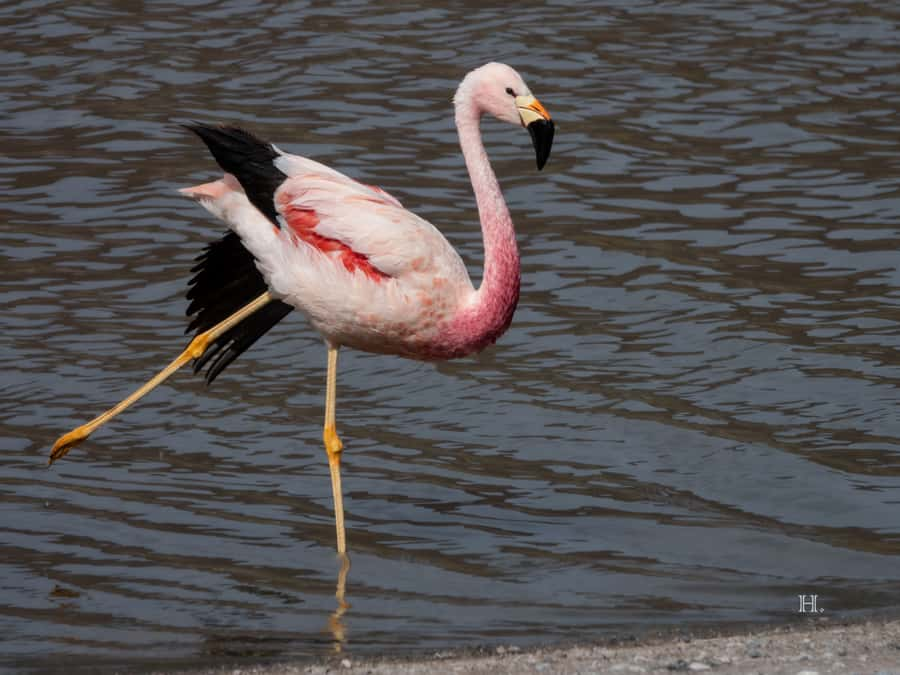
- Machuca wetlands bring the birdlife: A short walk can produce flamingos and several other high-desert birds.
- Putana gives you the big view: The highland lookout has a 360-degree view over the region’s largest wetland, with volcanoes all around.
- Juan Pablo is the central asset: He knows local fauna, plants, viewing spots, and how to explain what you are looking at.
- The gear helps phone photographers: A spotting scope with a phone adapter makes distant animals much easier to photograph.
- The price reflects the format: At $145 per person, the tour costs more than a large bus outing, but includes transport, equipment, and a highly personal small-group experience.
Why this Atacama tour feels different
Many San Pedro excursions focus on dramatic geology, salt crusts, geysers, or sunset colors. This one uses those settings as a backdrop for wildlife. I like that change of pace. You are not only stopping to take a quick photo, then climbing back into a vehicle. You are watching, listening, and learning how animals fit into an environment that first appears almost empty.
The group is limited to four people, so Juan Pablo can spend time with each person. That matters most when you are trying to photograph a small animal or identify a bird through the spotting scope. A large group can easily miss a vizcacha sitting against the rocks. Here, you have a better chance to stop, focus, and ask questions.
The tour suits complete beginners as well as serious photographers. You do not need a telephoto lens or a deep knowledge of birds. The provided binoculars and scope let you see details at a distance, while the phone adapter gives you a simple way to record what you find.
A few more trips around San Pedro de Atacama worth a look
- From Santiago: Safari Park, a wild experience
★ 4.5 · 20 reviews - SAFARI PARK-TOUR RANCAGUA : CHILE
★ 4.5 · 4 reviews
The 45-minute drive to Quirquincho Pass
Pickup starts at your hotel in San Pedro de Atacama. The drive to the mountains takes about 45 minutes, giving you time to settle in before the first wildlife stop. This is a useful part of the outing because the trip quickly moves from town into open country.
Quirquincho Pass is rocky and exposed, with broad views and plenty of places for animals to blend into the ground. The first targets are guanacos and vizcachas. Guanacos are larger and easier to pick out across open terrain, while vizcachas can be much harder to see among the rocks.
That contrast explains why a guide adds real value here. You may be looking directly at a rock and not realize that a vizcacha is sitting beside it. Juan Pablo helps you understand what to look for, where to aim the binoculars, and how to distinguish an animal from the surrounding stone.
For photography, this is a good time to practice before the bird stops. Use the scope and phone adapter to get a record shot, then watch the animal without constantly chasing a perfect frame. The point is not to turn the morning or afternoon into a technical camera lesson. It is to help you notice more.
Machuca village and its wetland birds
After Quirquincho Pass, the route continues toward Machuca. You cross the village and reach nearby wetlands for a short walk. This is the most active part of the itinerary if you are hoping to see birds.
The wetland setting attracts flamingos and other bird species. One particularly memorable possibility is a large flock of flamingos gathered together, an impressive sight against the dry mountain country. The provided field guides help you identify birds you may never have seen before.
The walk is short, but you should still wear comfortable shoes. You will be outside in open conditions, and the ground around a wetland is not the place for flimsy footwear. Bring warm clothing, a hat, and sunscreen. Atacama weather can feel sharp and exposed, even when the sky looks clear.
This stop also gives you a chance to put the photography focus into practice. Flamingos are striking subjects, but they may be distant. The spotting scope helps you study their shape and behavior, while the phone adapter can produce a useful image through the eyepiece. Your results will depend on light, distance, and your phone, so think of the adapter as a helpful tool, not a guarantee of professional photographs.
Putana Highland and the 360-degree view
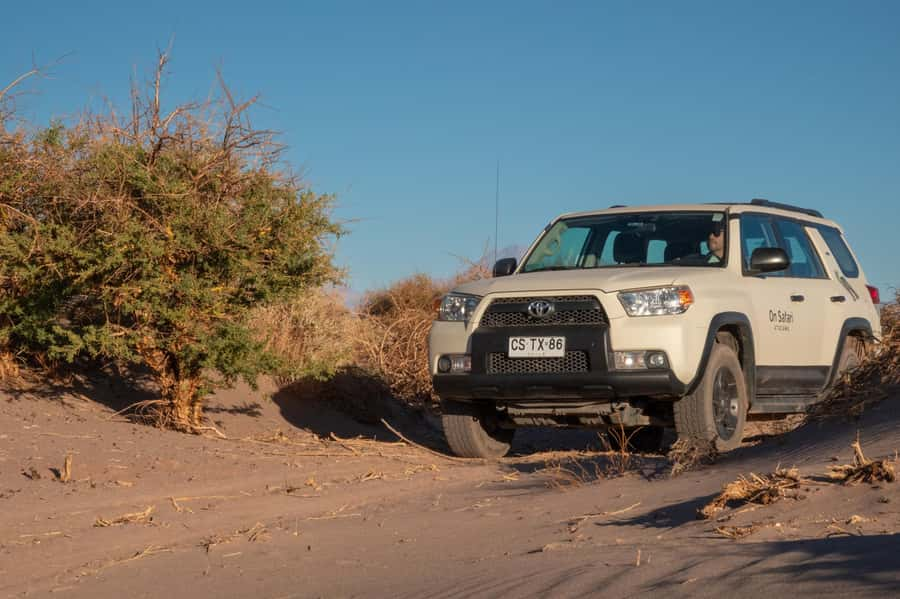
The final major viewpoint is the Putana Highland lookout. Here, the purpose shifts from finding individual animals to taking in the full setting. You can relax with a 360-degree view across the region’s largest wetland, surrounded by high volcanoes.
I like the way this stop rounds out the tour. Quirquincho Pass is about careful searching. Machuca is about birdlife and a short walk. Putana lets you step back and see how the wetlands, volcanoes, and open mountain country relate to one another.
The view also gives photographers a chance to work with scale. Instead of filling your frame with a bird, you can include the wetland and volcanoes around it. The light may add another layer, especially later in the day. One visitor specifically enjoyed the golden evening light for wildlife and scenery, though the exact light will depend on your departure time.
Do not expect a crowded viewpoint experience based on the tour format. The group is small, and the route is built around quiet observation rather than a large coach schedule. Still, conditions can change, and the tour remains an outdoor outing in a remote setting.
Same base, a different sort of day:
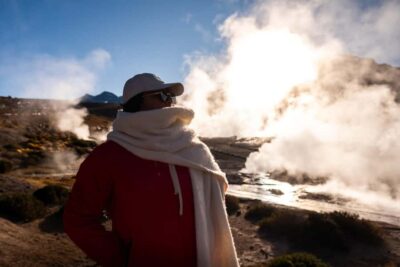
- San Pedro de Atacama: El Tatio Geysers Tour
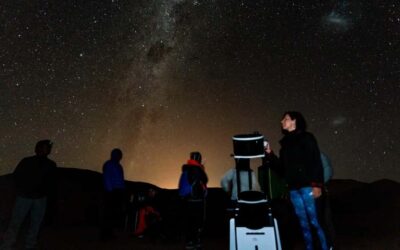
★ 4.7 · 943 reviews - San Pedro de Atacama: Etno-Stargazing Tour with Transfer
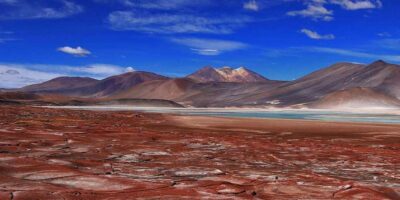
★ 4.8 · 629 reviews - Piedras Rojas, Altiplanics Lagoons & Salar Full-Day Tour
★ 4.7 · 592 reviews - San Pedro de Atacama: Stargazing Experience
★ 4.7 · 489 reviews
What Juan Pablo adds to the experience
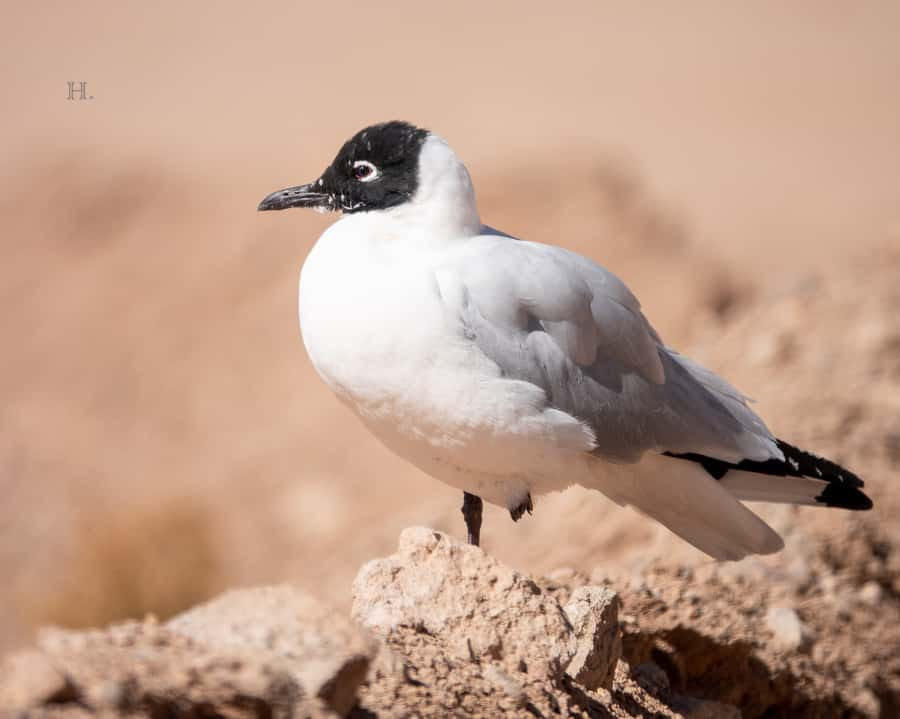
The guide can make or break a wildlife tour, and Juan Pablo is a major reason this one earns such strong feedback. His role is not limited to driving between stops. He explains birds and animals, points out plants, and shares information about San Pedro, the Atacama, and Chile more broadly.
He also adapts the outing to your interests. If you care most about birds, he can give more attention to the wetland stop. If your goal is a photograph of a vizcacha, he can spend time helping you search for one. One solo participant even received a longer outing than planned while the guide worked to fulfill specific wildlife and photography goals.
That flexibility is easier with a maximum of four people. In a bigger group, one person’s wish to wait for a bird or animal can frustrate everyone else. Here, the pace has more room to breathe.
The tour is offered in English, Spanish, and Portuguese. That makes it easier to ask detailed questions about species, local places, and photography. You should still confirm your preferred language when booking, especially if the finer points of animal identification matter to you.
Photography help for beginners and experienced shooters
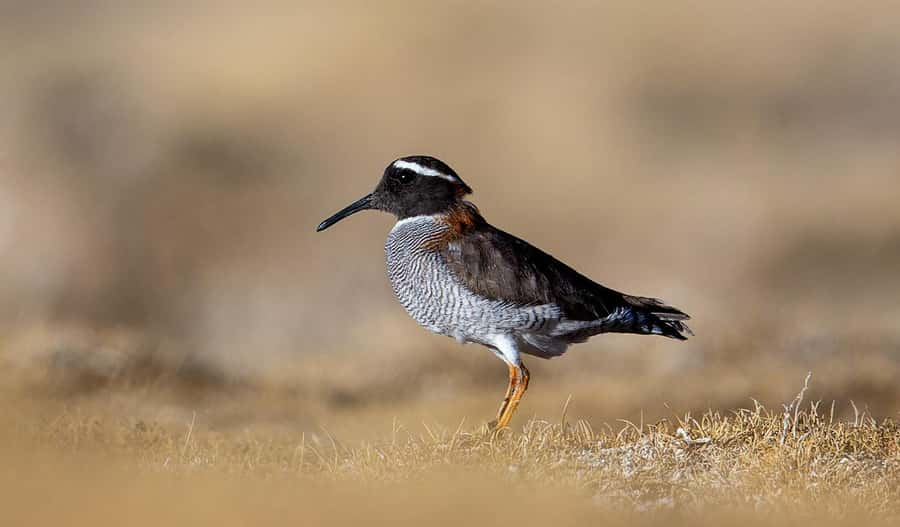
You do not need a serious camera to enjoy this outing. The equipment provided includes binoculars, spotting scopes with phone adapters, and field guides covering fauna and birds. That setup is especially useful if you are traveling with a phone or a basic camera.
For beginners, the guide can help you get your first clear view of a distant animal. You may spend less time guessing where to look and more time actually seeing the subject. For experienced photographers, the benefit is access and patience: you can study an animal before deciding how to frame it.
The tour is not described as a dedicated camera workshop, so do not expect a formal lesson on shutter speed, exposure, or editing. Its strength is wildlife access and interpretation. You get support in finding subjects, understanding what you see, and using the supplied optics.
The best approach is to balance photos with observation. A phone image through a scope can preserve the moment, but the view through the glass may be far more impressive than the final file. I would treat photography as one part of the outing, not the only measure of success.
Is $145 a fair price?
At $145 per person, this is not the cheapest way to see the Atacama. Large group tours can sometimes cost less, but they also tend to offer less control over stops and timing. This experience includes hotel pickup and drop-off, a bilingual fauna guide, binoculars, field guides, and a spotting scope with a phone adapter.
The four-person limit changes the value calculation. You are paying for a more personal outing, not simply a seat in a vehicle. If you already own excellent binoculars, a long lens, and a strong understanding of local wildlife, you may see less added value in the equipment. Even then, local knowledge of where to search can save time and improve your chances.
For most visitors, the price makes sense if wildlife is a major reason for coming to the Atacama. It is also a good choice if you want a quieter alternative to a standard sightseeing circuit. If your main goal is only a quick volcano photo, a cheaper geology-focused trip may suit you better.
The rating is 5 out of 5 from 17 reviews, with repeated praise for the guide, animal sightings, personal attention, and the chance to photograph flamingos, vicuñas, guanacos, and vizcachas. Those are the areas where the tour earns its price.
Who should book this four-hour outing?
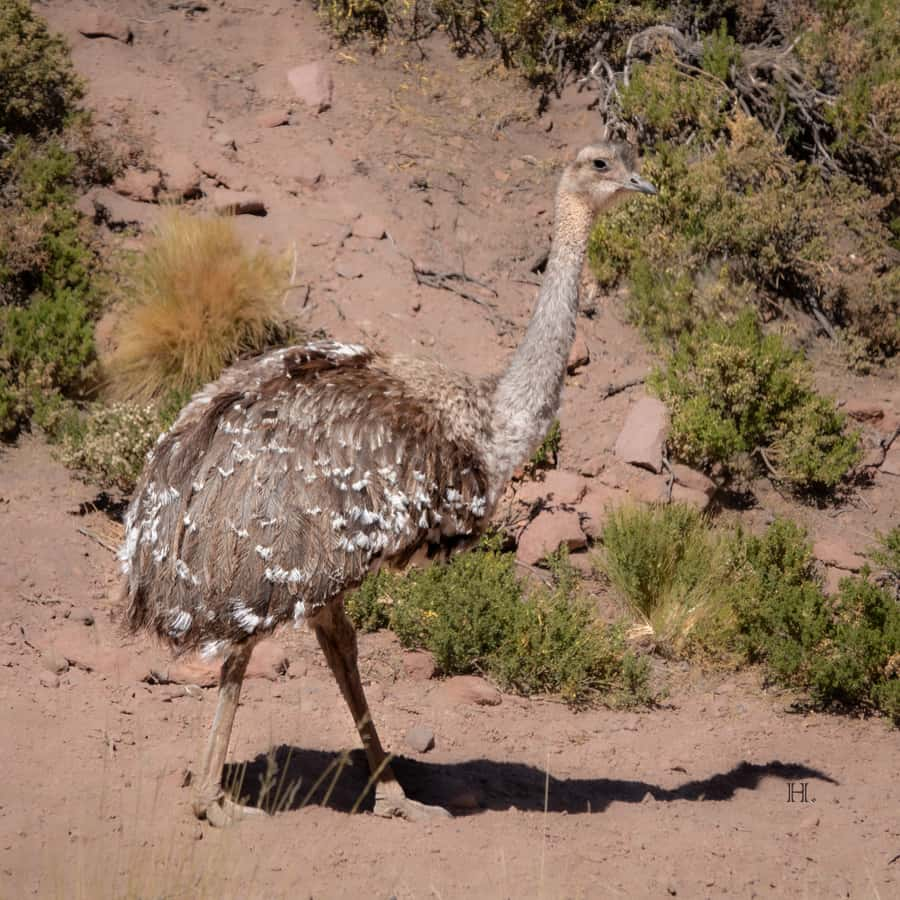
I would recommend it to anyone who enjoys birds, mammals, open mountain views, or learning how to see wildlife in difficult terrain. It is particularly good for solo visitors, couples, and small groups who want the guide’s attention.
It also suits mixed-skill groups. A serious photographer can work with the scope and phone adapter, while a beginner can use the binoculars and field guide without feeling out of place. The guide’s explanations give the outing value even if your photos are only for personal memories.
The tour is not suitable for children under 12. You should also be comfortable with a short walk, warm outdoor conditions, and time spent watching quietly. Bring comfortable shoes, warm clothing, a hat, and sunscreen.
Timing, cancellation, and practical planning
The activity lasts four hours, but starting times depend on availability. Since the scenery and wildlife can look different in changing light, ask about the departure time when you book if photography is important to you.
Hotel pickup and drop-off are included, with the pickup handled by the car company. You do not need to arrange separate transport from San Pedro for the tour.
You can reserve now and pay later, which helps if you are still arranging your Atacama schedule. Free cancellation is available up to 24 hours before departure for a full refund. Those terms are useful in a destination where weather and plans can shift, but you should still check the exact booking conditions at the time of purchase.
Should you book it?
Book this tour if you want to see the Atacama as a living place, not only as a collection of dramatic viewpoints. Juan Pablo’s ability to find animals, explain what you are seeing, and adjust the pace to your interests gives the four hours real substance.
Skip it if you want a full-day expedition, guaranteed close wildlife encounters, or a formal photography course. For a focused half-day outing with a very small group, strong equipment, open volcano views, and a genuine chance to see flamingos, vicuñas, guanacos, vizcachas, and other birds, $145 is a reasonable price.
FAQ
How long is the wildlife and photography tour?
The tour lasts four hours, with hotel pickup and drop-off included.
Where does the tour visit?
The route includes Quirquincho Pass, the wetlands near Machuca village, and the Putana Highland lookout.
What animals and birds might I see?
Possible sightings include guanacos, vicuñas, vizcachas, flamingos, and other bird species. Wildlife sightings are not guaranteed.
Is photography equipment provided?
Yes. The tour provides binoculars, spotting scopes with phone adapters, and field guides covering local fauna and birds.
What languages does the guide speak?
The tour is available in English, Spanish, and Portuguese.
Can children join the tour?
No. The activity is not suitable for children under 12.
Just added around San Pedro de Atacama
- Vallecito★ 4.7 · 13 reviews
- Atacama Desert and Magic Bus Visit★ 4.8 · 15 reviews
- San Pedro de Atacama: Valle de la luna★ 3.0 · 3 reviews
- Valle de la Luna: A Moon-Like Escape in Atacama★ 5.0 · 3 reviews
- San Pedro de Atacama: Half day Valle de la Luna, Afternoon Tour★ 4.5 · 52 reviews
- Valley of the moon★ 5.0 · 50 reviews
- Piedras Rojas and Altiplanic Tour★ 4.5 · 38 reviews
- Unique 3-Day Tour in San Pedro de Atacama★ 4.5 · 43 reviews
San Pedro de Atacama Tours, compared.
Piedras Rojas, Altiplanics Lagoons & Salar Full-Day Tour
Read our review →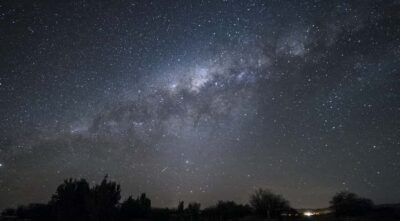
Triple tour: Red stones, highland lagoons and Chaxa Lagoon
Read our review →Browse the lists this tour appears in