
Reviewed · EASTER ISLAND & MOAI TOURS
Adventures in Rapa Nui: High-quality tourism with Easter Island Your Tour.
Rapa Nui’s great moai sites make the strongest impression when you have time to stop, ask questions, and set your own pace. This private tour takes you from Easter Island to Rano Raraku, Ahu Tongariki, Anakena, and several other major sites in one well-packed day.
I like the hotel pickup and private vehicle, which remove much of the day’s fuss. I also like the option to shape the day around your interests, a useful feature if you have already seen the main moai sites or want extra time for questions.
The main drawback is the pace. Six and a half hours covers a lot of ground, and park admission is not included. You will need water, sturdy shoes, sun protection, and enough energy for a long outdoor day.
Key points to know before booking
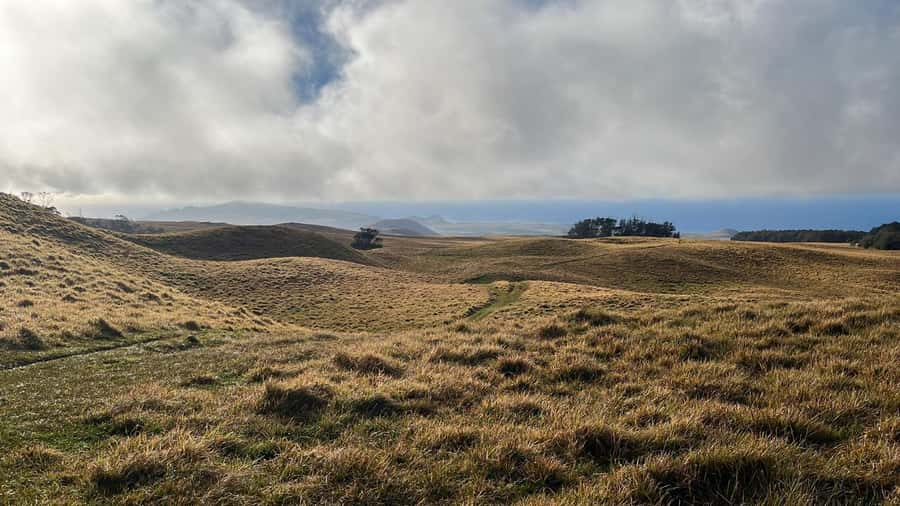
- Private touring with Eric: Eric is praised for clear English, thoughtful explanations, and adjusting the day to your interests and walking pace.
- Five major cultural stops: You visit Ahu Akahanga, Rano Raraku, Ahu Tongariki, Ahu Te Pito Kura, and Anakena inside the wider Rapa Nui National Park route.
- Hotel pickup included: You begin and end at your accommodation, with a professional driver and an air-conditioned vehicle.
- A full 390-minute outing: The route gives you a broad look at the island, but the schedule is active rather than slow and leisurely.
- Park admission costs extra: Budget approximately 20,000 to 80,000 CLP, with the final fee subject to change.
- Good for independent-minded visitors: The private format suits you best if you value questions, personal attention, and changes to the usual route.
Why a private Rapa Nui tour changes the day
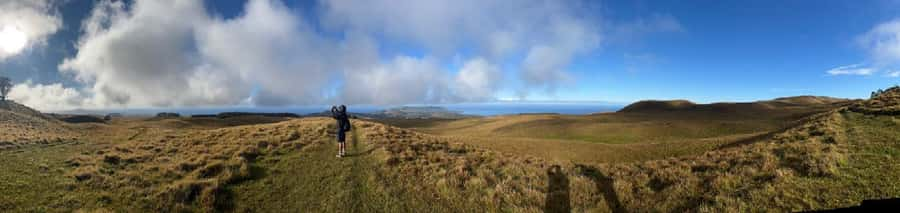
Rapa Nui is not a place where the moai simply appear one after another beside a city street. The important sites are spread across the island, and each one has a different setting and purpose. A private vehicle lets you connect those places in one day without trying to manage transport on your own.
You are picked up at your hotel or accommodation and travel in a comfortable vehicle with air conditioning and a sound system. The listed transfer time is 45 minutes, followed by guided visits around the park. A professional driver handles the road while your guide explains the sites and answers questions.
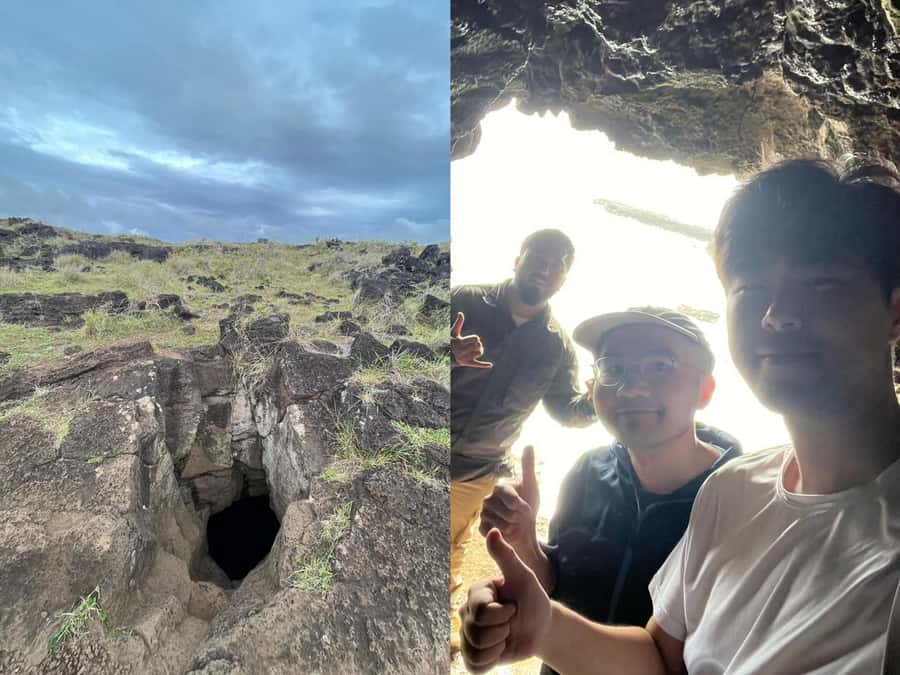
The private format matters most at the points where you want to stop and think. Eric has adjusted the route for people who had already seen several famous sites, taking them to caves along the west coast instead. That kind of flexibility is hard to get on a fixed group outing.
The tour is offered in English and Spanish. The company also says its guides are from the island, which can give the conversation a local point of view rather than a basic list of dates and names. Still, your experience will depend on the guide assigned to your booking, so ask in advance if you specifically want Eric.
More moai and Rapa Nui trips around Easter Island
- From Hanga Roa: Rapa Nui Culture Sightseeing Tour
★ 4.6 · 307 reviews - From Hanga Roa: Easter Island Highlights 2-Day Tour
★ 4.3 · 205 reviews - From Hanga Roa: Easter Island Sightseeing Full Day Tour
★ 4.5 · 189 reviews
Ahu Akahanga and the first look at Rapa Nui’s past
Ahu Akahanga is one of the first major stops on the route. An ahu is a ceremonial stone platform, and the site helps you see how the moai were connected to wider community and burial traditions rather than treated as isolated statues.
This stop works well early in the day because it gives you a frame for what follows. You begin to notice the relationship between the platforms, the open ground, and the volcanic setting. Your guide can also help you separate established information from the many popular stories attached to the island.
Expect an outdoor visit rather than a museum-style presentation. Wear shoes that can handle uneven ground, and bring clothes that can get dirty. The company recommends hiking shoes, long pants, water, a hat, sunscreen, and a windbreaker depending on the weather.
Rano Raraku, where the moai were carved
Rano Raraku is the emotional center of this route. This volcanic quarry is where many of the island’s moai were carved, and the unfinished figures give you a rare sense of the work behind the monuments.
I would give this stop your full attention. Do not treat it as just another photo break. Look at the figures that remain connected to the rock and the unfinished forms around the quarry. They show that the process was interrupted, leaving the work in place rather than presenting only polished, finished statues.
A guide adds real value here. The site can raise obvious questions about how the moai were made, moved, and placed, and a good explanation helps you read what you are seeing. Eric is repeatedly praised for answering questions in clear English and for explaining the island’s history in an engaging way.
The practical catch is that Rano Raraku can be more demanding than a quick roadside stop. You need comfortable shoes and enough water. If you have mobility concerns, tell the company when arranging your custom plan. The activity is described as wheelchair accessible, but the exact route through an outdoor archaeological site may still need to be discussed.
Ahu Tongariki and the island’s grandest line of moai
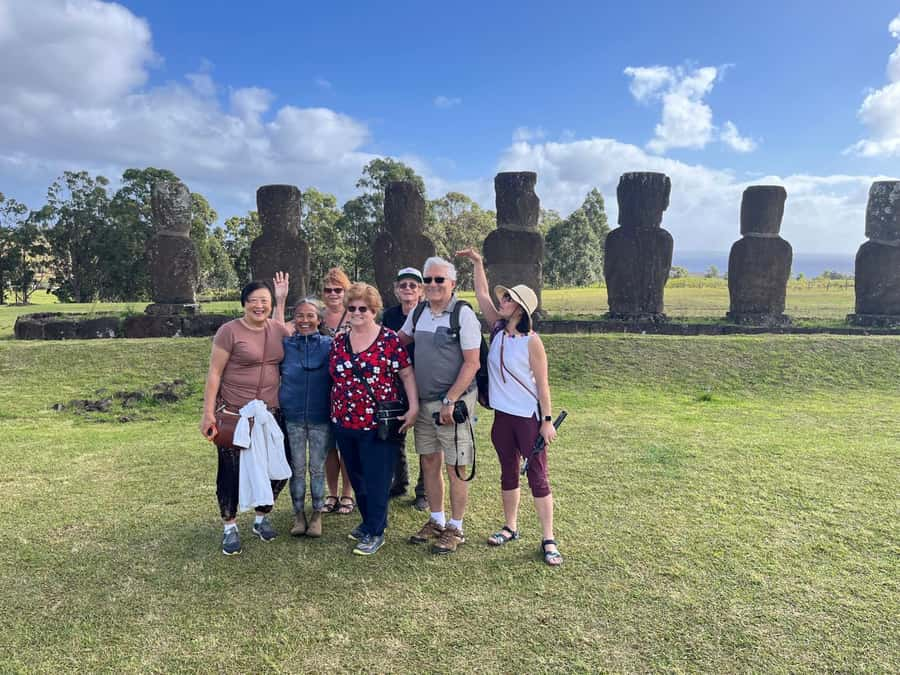
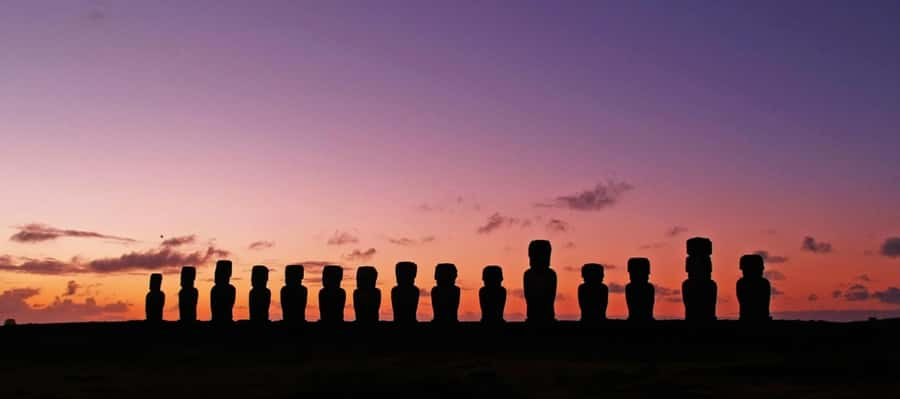
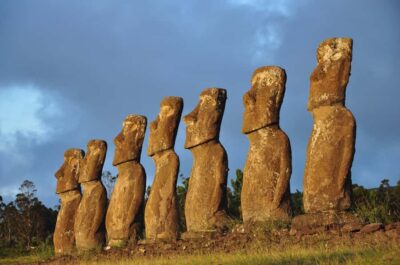
Ahu Tongariki is likely to be one of the day’s biggest visual moments. The long ceremonial platform and its row of moai create the sort of scene you may already recognize from photographs, but the scale is easier to understand when you are standing in front of it.
This is a place where your guide’s timing and explanation matter. You will want space for photographs, but the site also deserves a quiet look at the size, posture, and arrangement of the figures. Ask about the platform and the restoration work if those subjects interest you.
Tongariki can feel like the headline stop, yet it works better when you have already visited Akahanga and Rano Raraku. Akahanga introduces the ceremonial setting, while Rano Raraku shows where the figures came from. Tongariki then lets you see the finished result in a powerful group.
The route is not designed around unlimited time at every location. You may need to balance photographs, walking, and questions. That is one reason the private format helps, since you can tell the guide if you need a little more time at a particular site.
A few more trips around Easter Island worth a look
- Full day tour – DREAM
★ 5.0 · 86 reviews - From Hanga Roa: Journey from Orongo to Ana Te Pahu
★ 4.3 · 75 reviews - Rapa Nui Stargazing
★ 4.5 · 62 reviews - Two days of Full Day Tour of Rapa Nui + Sunrise in Tongariki
★ 4.8 · 55 reviews
Te Pito Kura and the details beyond the famous views
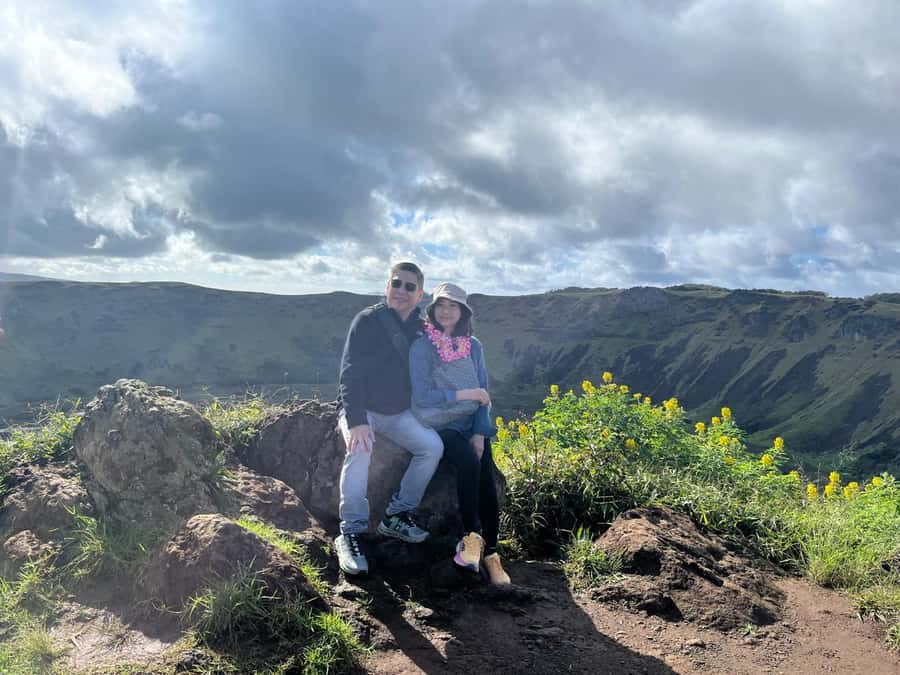
Ahu Te Pito Kura adds another important stop to a route that could otherwise focus only on the most photographed places. The visit gives you another chance to consider how the moai and ahu fit into the wider ceremonial life of Rapa Nui.
The value here is comparison. After Rano Raraku and Tongariki, you can look at Te Pito Kura with a better sense of how individual sites differ. Your guide can connect the physical remains to the island’s culture and traditions, which is more useful than collecting names without context.
The company places strong emphasis on respect for Rapa Nui culture and environmental care. That should shape your behavior throughout the day: stay on permitted paths, do not touch archaeological remains, and carry out every item you bring. Littering is not allowed, and alcohol and drugs are prohibited, including alcoholic drinks in the vehicle.
Anakena, a different side of the island
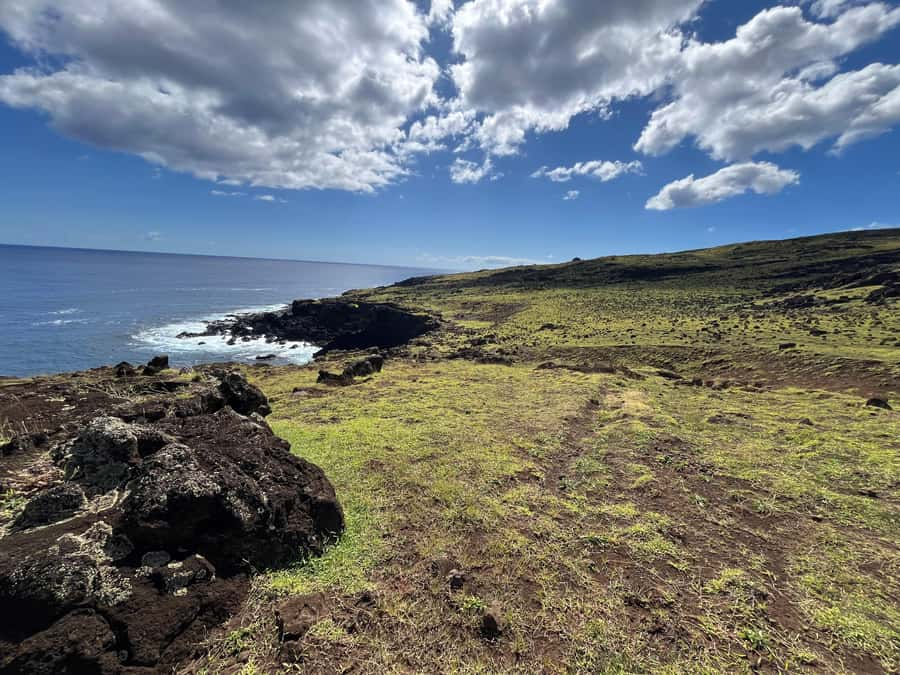
Anakena changes the mood of the day. After the inland quarry and ceremonial platforms, the route reaches one of Rapa Nui’s best-known coastal areas. You get a different sense of the island here, with cultural sites and an outdoor setting that invite a slower look.
The tour information includes lifeguards for water activities, but it does not promise a swimming session as part of this particular 390-minute route. Bring biodegradable sunscreen and follow your guide’s advice about the conditions. Do not assume that a beach stop automatically means you should enter the water.
Anakena may be especially welcome near the end of the route. The day has already included several major archaeological sites, and the change in setting gives you a chance to take in the island without focusing only on moai. You should still watch the clock, since this is a full circuit that returns to your accommodation.
How the timing and transport work
The total duration is 390 minutes, or about six and a half hours. That includes the transfer from Easter Island, guided visits, and the return trip. Starting times vary, so check availability before booking.
Hotel pickup is one of the best practical features. You do not need to find a meeting point or arrange a separate taxi to the start. At the end, you return to Easter Island and are dropped back at your accommodation.
The vehicle is described as comfortable, safe, and air-conditioned, with a sound system. That matters on an island route with several outdoor stops. You can cool down between visits, store some of your gear, and avoid losing time to separate transport arrangements.
The route is private, so only your group takes part. That does not mean the day will be slow. Five principal sites in 390 minutes require steady movement, and the route is best for someone who wants broad coverage rather than one long visit at a single place.
What to bring for a long day outdoors
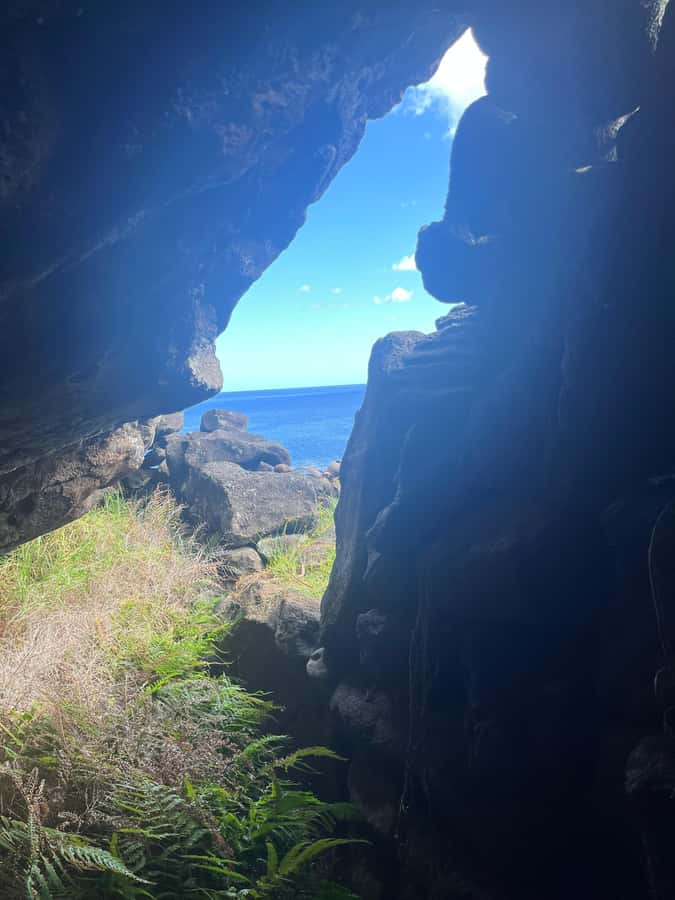
Rapa Nui’s weather can change, and the company recommends preparing for sun, wind, and uneven ground. I would pack the following:
- Water for the full outing
- Comfortable shoes and hiking shoes
- A hat and sunscreen
- Biodegradable sunscreen and insect repellent
- A windbreaker
- Comfortable clothes, including long pants
- Clothes that can get dirty
- Personal medication
- Your passport or ID card
The repeated advice about water and footwear is worth taking seriously. You will be visiting open archaeological sites, not moving from one indoor attraction to another. Good shoes also make it easier to focus on the guide instead of every step underfoot.
The company provides first-aid and emergency equipment knowledge, but that is not a substitute for carrying your own medication. If you have mobility needs, mention them before the day begins so the route can be discussed properly.
What the $200 price is buying
At $200 per person, this is not the cheapest way to see Rapa Nui. You are paying for a private group, hotel pickup, a driver, a certified guide, an air-conditioned vehicle, and the ability to adjust the day around your interests.
The value is strongest if you are traveling with family or friends and can share the private vehicle. It is also strong if you have limited time on the island and want to connect several major sites without arranging transport yourself. The added attention can make a real difference at places such as Rano Raraku, where questions and context are more useful than a quick photograph.
Park admission is extra. The estimated cost is 20,000 to 80,000 CLP, and the price can change. You can buy tickets at the Mau Henua office or online, so include this fee in your total budget before deciding.
For a solo visitor, $200 may feel harder to justify than for a small private group. For two or more people, the cost can make more sense, especially when you value flexibility and English or Spanish support.
Who will enjoy this experience most
I would choose this tour if you want the major Rapa Nui sites in one organized day but do not want to be tied to a large group. It is a good fit for you if you ask many questions, prefer personal attention, or want the guide to adjust the pace.
It also suits returning visitors. One person who had already seen most of the standard sites was taken to caves on the west coast instead. That example suggests the guide can do more than repeat the same route when you explain what you have already visited.
You may prefer another option if you want a very slow day, long independent walks, or a route built around one site only. The 390-minute schedule is active, and admission fees and personal meals are not covered by the stated price.
The service can also arrange accommodation and meal reservations at selected establishments, but those arrangements are not part of the basic tour price unless separately organized. Ask exactly what you want included before confirming.
Booking details that matter
You can cancel up to 24 hours before the activity for a full refund. The reserve-now, pay-later option keeps your plans flexible and means you do not pay at the time of booking.
English and Spanish live guiding are available. Some content may appear in its original language, so tell the company your preferred language in advance.
The experience is described as wheelchair accessible, but you should still discuss the exact site access with the provider. Outdoor archaeological areas can have uneven surfaces, and accessibility may vary from one stop to another.
Should you book Easter Island Your Tour?
Book it if you want a private, well-covered introduction to Rapa Nui with hotel pickup and a guide who can adjust the day. Eric is the name to request if available, especially if clear English, flexible pacing, and detailed answers are important to you.
The strongest reasons to choose it are the personal service, the five major stops, and the chance to move beyond a fixed script. The main cautions are the extra park fee, the active six-and-a-half-hour schedule, and the need to prepare for sun, wind, and uneven ground.
For a small group that wants value through comfort and flexibility, this is a sensible way to see the island. For a solo visitor on a tight budget, compare the private price with shared options first.
FAQ
Where does the tour start?
Pickup is available at your hotel or other accommodation on Easter Island.
How long does the tour last?
The activity lasts 390 minutes, which is about six and a half hours.
Is the tour private?
Yes. The activity is offered for a private group.
Which languages are available?
Live guiding is available in English and Spanish.
Which main sites are included?
The route includes Rapa Nui National Park, Ahu Akahanga, Rano Raraku, Ahu Tongariki, Ahu Te Pito Kura, and Anakena.
Is park admission included?
No. Park tickets are extra and cost approximately 20,000 to 80,000 CLP, subject to change.
Where can I buy the park ticket?
You can purchase it at the Mau Henua office or online.
Is transportation provided?
Yes. The tour includes a professional driver and a comfortable, air-conditioned vehicle with a sound system.
What should I bring?
Bring your passport or ID, water, comfortable or hiking shoes, a hat, sunscreen, a windbreaker, comfortable clothes, long pants, clothes that can get dirty, and personal medication.
Can I cancel the booking?
You can cancel up to 24 hours in advance for a full refund. You can also reserve now and pay later.
Just added around Easter Island
- Volcanic Refuges: Excursion to Underground Civilization★ 4.7 · 8 reviews
- Two days of Full Day Tour of Rapa Nui + Sunrise in Tongariki★ 4.8 · 55 reviews
- Half Day Tour in Rapa Nui★ 5.0 · 48 reviews
- Ride to the highest point on the island for sunset★ 5.0 · 40 reviews
- Rapa Nui Stargazing★ 4.5 · 62 reviews
- Easter Island: Private Full Day History Of The Moai★ 4.6 · 12 reviews
- Tongariki Sunrise: Half Day Private Tour★ 3.8 · 9 reviews
- Sunrise Tongariki: Sunrise at Tongariki Park Private Tour★ 4.5 · 47 reviews
Easter Island & Moai Tours, compared.
Two days of Full Day Tour of Rapa Nui + Sunrise in Tongariki
Read our review →
Browse the lists this tour appears in