
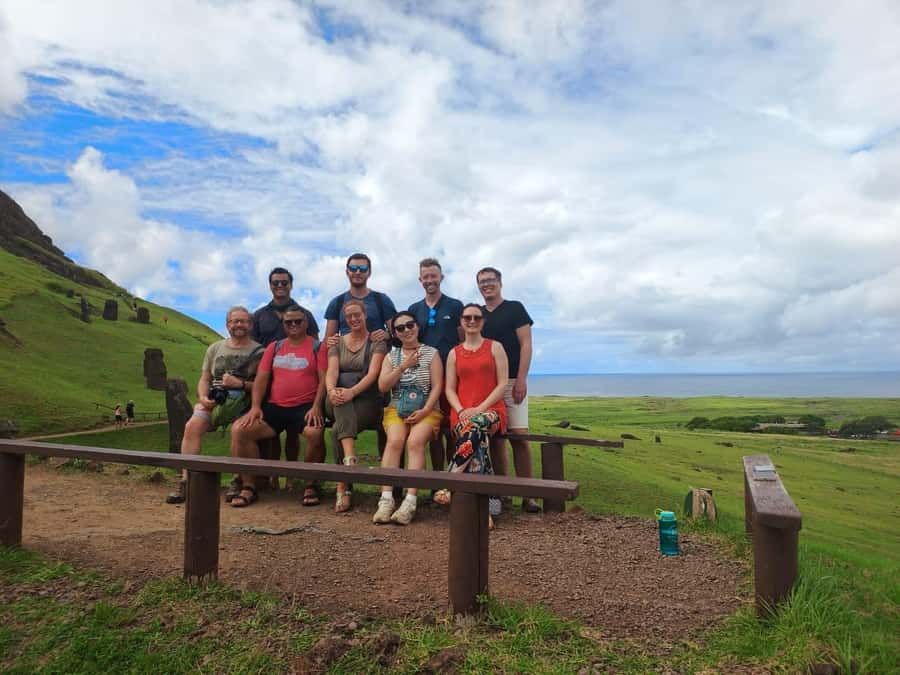
Reviewed · EASTER ISLAND & MOAI TOURS
Two days of Full Day Tour of Rapa Nui + Sunrise in Tongariki
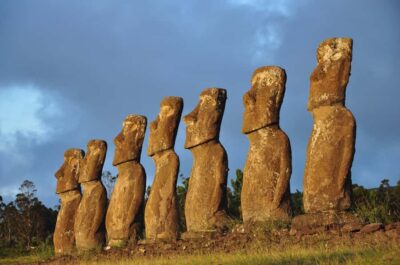
Ahu Tongariki is the star here: fifteen Moai lined up beside the sea, with the sun rising behind them. Add two full days of volcanic scenery, ancient ceremonial sites, and local stories, and you get a strong first look at Rapa Nui without arranging every detail yourself.
I like the certified local guides, who bring different points of view to traditions and legends that were not written down. I also like the hotel pickup and practical support, especially on an island where good advice about activities and viewpoints can save time.
The main caution is the sunrise timing. One morning pickup was around 6 a.m., while sunrise began closer to 8 a.m., and the guide needed to return for a 9 a.m. tour. If you want a long, unhurried sunrise, confirm the schedule before booking.
Key points to know before booking
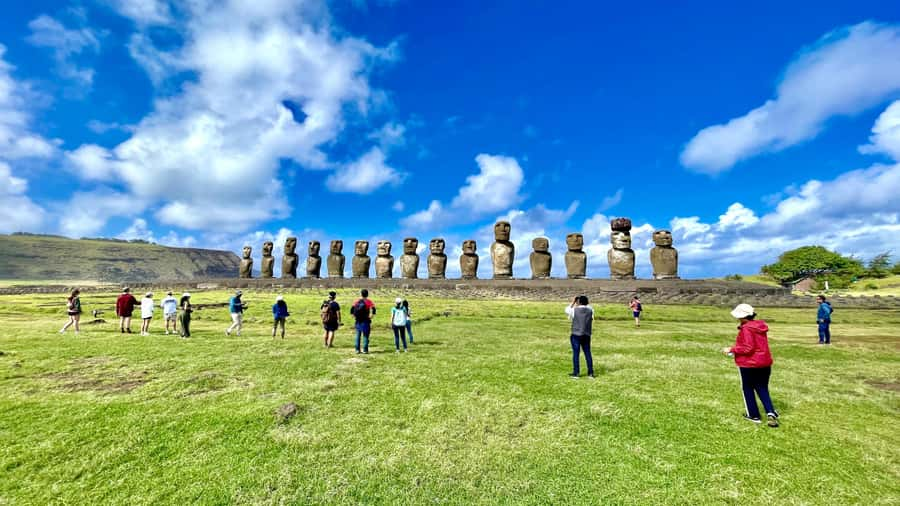
- Ahu Tongariki at sunrise: See Rapa Nui’s most famous Moai platform in the cool early morning light.
- Two full touring days: Visit major archaeological sites, volcanic areas, and scenic places across the island.
- Different local guides: Alex, Alejandro, David, and Ariki have each led portions of the experience, so the style can vary from day to day.
- Park ticket not included: Budget CLP 20,000 for Chilean nationals or CLP 72,000 for foreign nationals.
- Food is extra: Bring water and snacks, though there are places to buy food during the day.
- Flexible booking: Cancellation is free up to 24 hours before the activity, and you can reserve without paying immediately.
Two full days to get the shape of Rapa Nui
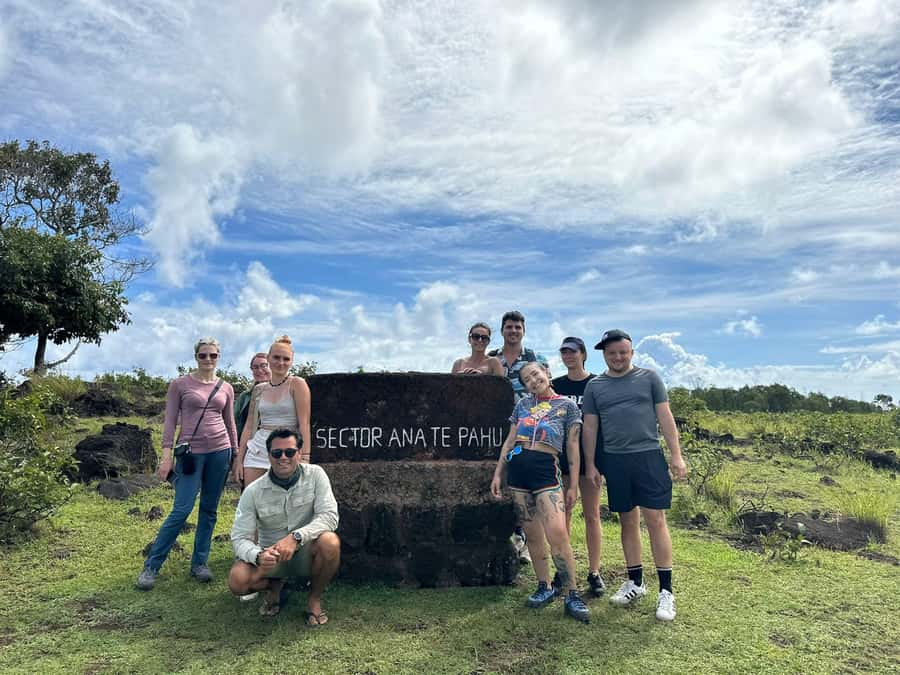
Rapa Nui is small in size but big in meaning. The Moai are only the most visible part of the story. Across the island, you encounter ceremonial platforms, volcanic ground, open coast, and places tied to legends and rituals that still shape local identity.
This tour gives you two full days to see the major sights with a guide rather than trying to piece them together by taxi or rental car. That matters because the sites are spread across the island, and the value of a guide is not only transportation. It is the explanation of what you are seeing, what is known, and what remains uncertain.
You may have a different guide each day. Alex has been praised for his strong knowledge of the island, while Alejandro has been described as logical and informative. David brings a more inventive and sometimes controversial style. Those differences can be useful: Rapa Nui’s past includes legends and theories, and hearing more than one interpretation gives you a better sense of where the facts end and the debate begins.
The tradeoff is consistency. Each guide may have a different pace, tone, and way of presenting the sites. If you prefer one guide for the full experience, this may feel less personal. If you enjoy comparing viewpoints, it can make the two full days more interesting.
More moai and Rapa Nui trips around Hanga Roa
- From Hanga Roa: Rapa Nui Culture Sightseeing Tour
★ 4.6 · 307 reviews - From Hanga Roa: Easter Island Highlights 2-Day Tour
★ 4.3 · 205 reviews - From Hanga Roa: Journey from Orongo to Ana Te Pahu
★ 4.3 · 75 reviews
Ahu Tongariki and the famous Moai line
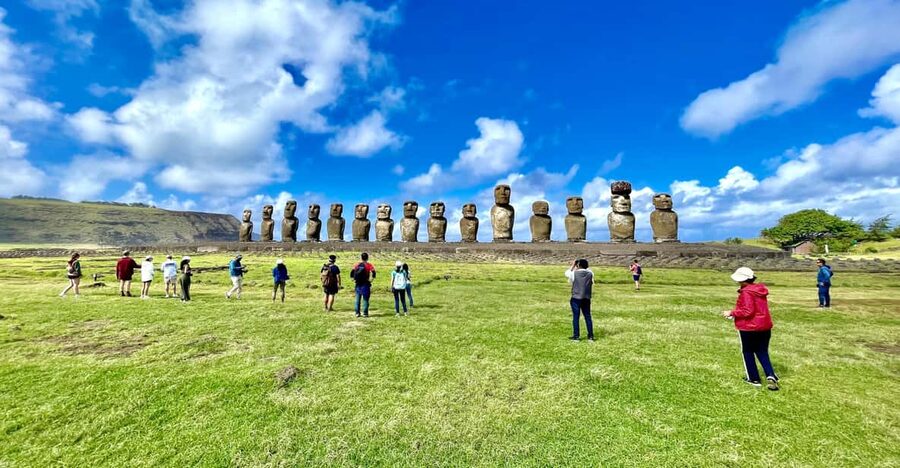
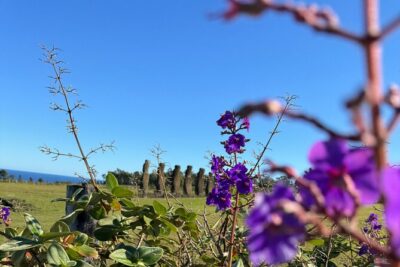
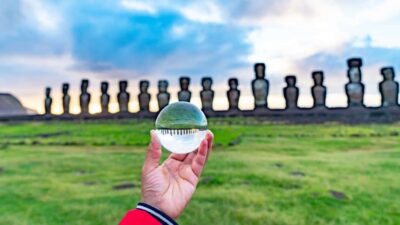
Ahu Tongariki is the emotional center of the tour. Fifteen Moai face inland from a broad ceremonial platform, their silhouettes especially striking when the morning light begins to change.
The sunrise visit is designed to let you see this place at a quieter hour than a standard daytime stop. The setting is dramatic without needing decoration: stone figures, open sky, the Pacific, and the first light of day. It is one of those stops where the guide’s timing matters as much as the site itself.
Here is the practical issue. The exact pickup and waiting time can make a big difference. A reported schedule involved pickup around 6 a.m., with sunrise closer to 8 a.m., followed by a rush back for a full-day tour beginning at about 9 a.m. That left too little time to watch the sunrise fully unfold.
Ask three questions before the morning:
- What time will pickup be?
- How long can you remain at Tongariki?
- Will the guide stay until the main sunrise colors and light appear?
Also ask which viewpoint you will use. One account noted that the best position was not obvious until after the event. You want to know where the group will wait, not simply be dropped off and left to work it out.
Ariki has been described as acting mainly as the sunrise attendant and driver. That may be perfectly adequate if your priority is reaching Tongariki, but it is worth knowing that the guiding may be lighter on this portion than during the full-day tours.
What the archaeological stops add
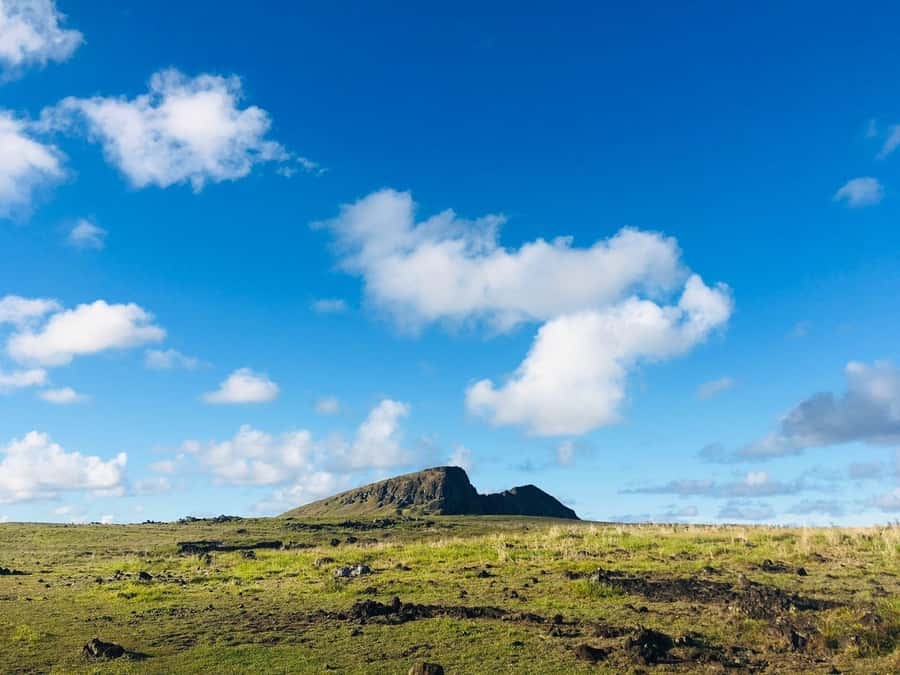
The tour’s main strength is not just checking off famous places. It gives you a way to connect the Moai with the society that created, moved, and cared for them.
At archaeological sites, your guide can explain ceremonial platforms, the role of the statues, local rituals, and the different theories surrounding construction and movement. Because much of Rapa Nui’s early story was passed down orally, you should expect a mix of established findings, oral tradition, and interpretation.
That is where guide quality matters most. A good explanation helps you understand why a stone platform is important rather than treating it as a photo stop. The strongest feedback has focused on guides who are responsible, passionate, and clear in their explanations.
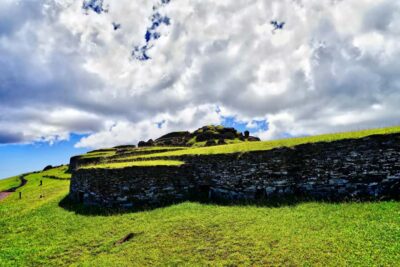
You will also see how the Moai fit into the island itself. Volcanic ground and open coastal views are not just backdrops. They help explain the scale of the work and the isolation of the community that developed here.
The description promises the island’s renowned tourist places, but it does not provide a fixed list of every stop. That flexibility can be useful because the guide may adjust the day to conditions, timing, or group needs. It also means you should ask for the expected stops when you book if a particular site matters to you.
Volcanic scenery and open island views
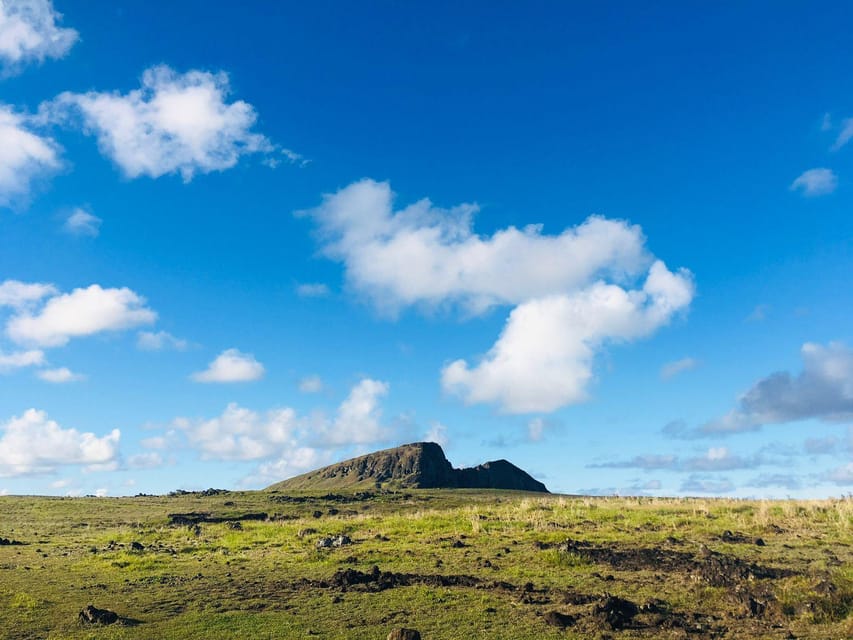
Rapa Nui’s scenery changes quickly. You may move from a ceremonial site to broad volcanic terrain, then to a coastal viewpoint with very little between you and the horizon.
I like this kind of full-day format because it gives the island room to breathe. You are not limited to one famous platform and a quick photo. The long days allow time for archaeological context, scenery, and the small details that make the island feel like a place rather than an outdoor museum.
Bring comfortable shoes. Moderate physical fitness is required, and the tour is not designed for someone who wants to remain seated all day. The supplied advice also recommends comfortable clothing and a towel. A rain poncho is provided if the weather turns wet, which is a useful touch on an exposed island.
High-heeled shoes are not allowed, and that rule is sensible rather than fussy. You need practical footwear for uneven ground and outdoor stops. Pack water, too. The most useful feedback about the long days involved passengers who had not followed the advice to bring drinks and snacks.
Food is not included. There are places to buy something during the day, but you should not assume every stop has a full meal or that purchases will be immediate. A small supply of water and snacks will make the day much more comfortable.
A few more trips around Hanga Roa worth a look
- Sunrise Tongariki: Sunrise at Tongariki Park Private Tour
★ 4.5 · 47 reviews - Atacama: San Pedro de Atacama Sunrise Hot Air Balloon Ride
★ 4.7 · 76 reviews - Tongariki Sunrise: Half Day Private Tour
★ 3.8 · 9 reviews - Geysers del Tatio: Sunrise and breakfast in Atacama
★ 4.4 · 5 reviews
Local guides, language, and group style
The tour is available in English, Spanish, and French. Private and small-group options are offered, so you can choose between a more social outing and a more personal pace, depending on availability.
The guides are local and certified, which is important on Rapa Nui. A local guide can connect the sites with the island’s customs, legends, and community life in a way that a generic guidebook cannot. The company also offers advice before and after the tour, including help choosing other activities and scenic places during your stay.
The guide lineup may change each day. This is not necessarily a weakness. One guide may focus on clear chronology, another on theories, and another on local tradition. The downside is that the quality and presentation can feel uneven. Alejandro has been noted for a logical and informative approach, David for an inventive but sometimes controversial one, and Alex for strong subject knowledge.
That variety makes it especially useful to ask questions. If a guide presents a theory, ask if it is accepted evidence, oral tradition, or one possible interpretation. You will get more from the experience if you treat the conversation as a way to understand Rapa Nui’s unanswered questions, not as a simple list of final answers.
Transfers and the rhythm of each day
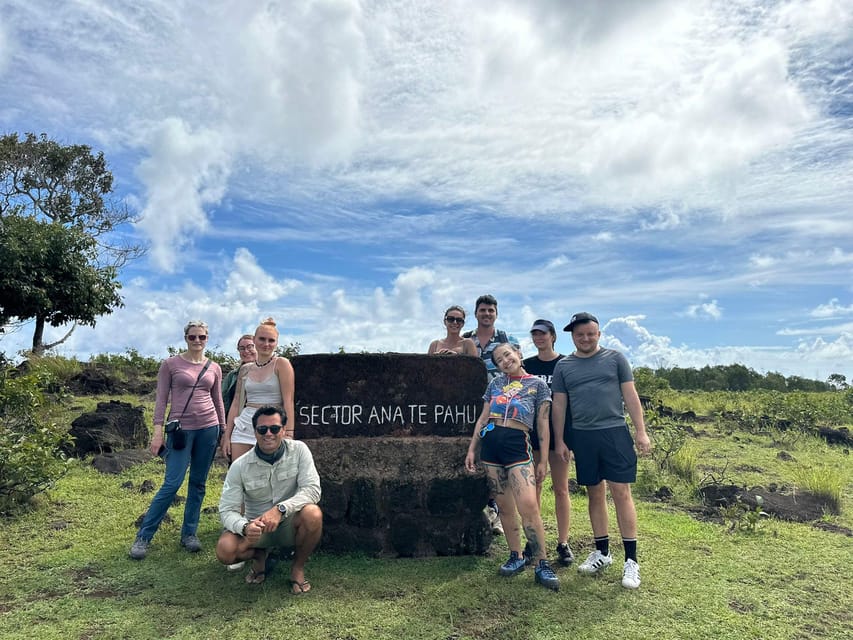
Pickup and drop-off at your accommodation are included. You must wait in the reception or lobby area, and the vehicle will not go to your room door. Be ready at the assigned time, because the group cannot wait for late passengers.
Transfers have generally been described as working, though one account noted that the vehicle seemed to make random circles while collecting people. This can happen with shared transport, especially when several accommodations are involved. It may make the beginning of the day feel less direct.
A private or small-group option may reduce that feeling, but the supplied information does not promise a specific vehicle type or exact group size. Ask about this if efficient transfers matter to you.
The two full touring days are likely to feel busy because Rapa Nui has many major sights to cover. That is a good fit if you have limited time and want broad coverage. It may be less suitable if you prefer a slow morning, long meals, or extended time at one archaeological site.
The sunrise day adds a special moment, but it also creates an early start and a scheduling challenge. Confirm how the sunrise visit connects with the next full-day activity. The difference between a short photo stop and an hour of patient waiting can shape your whole impression.
Is the $250 price good value?
At $250 per person, the tour is not the cheapest way to see Rapa Nui, especially after adding the national park ticket and meals. Foreign nationals pay CLP 72,000 for the park ticket, while Chilean nationals pay CLP 20,000. Food is also extra.
Still, the price covers three days of organized touring, local guides, accommodation transfers, rain protection, and pre and post-tour support. If you would otherwise pay separately for transport, guiding, and planning help, the package can be fair value.
The best value comes from the interpretation. Anyone can photograph a Moai, but understanding the platform, the ritual setting, and the stories connected to it gives the visit more weight. The support outside the tours also helps if you want advice about other things to do while staying on the island.
The price is less attractive if you only want a quick look at the headline sites or already have transport and a detailed plan. It is also less appealing if the sunrise is the main reason you are booking and the schedule does not allow enough time at Tongariki.
What to arrange before the first day
You must have your national park ticket before the first excursion. It can be purchased in person at the Ma’u Henua offices or through the Rapa Nui National Park website.
The day before the first activity, you should receive a message with instructions for the following day. Pay close attention to the pickup time, meeting point, and any advice about food or clothing.
I would prepare the following:
- Comfortable walking shoes
- Water and snacks
- Comfortable clothes suited to changing weather
- A towel
- Your park ticket
- A phone or camera with enough battery for long outdoor days
A rain poncho is supplied if needed. You should still plan for the possibility that weather affects comfort and visibility. The tour runs outdoors, and moderate fitness is expected.
Cancellation is free up to 24 hours before the activity, and the reserve-now, pay-later option gives you some flexibility while your plans are still forming.
Who should book this Rapa Nui experience?
I would choose this tour if you want the major sights covered without managing every transfer yourself. It suits first-time visitors, people staying only a few days, and anyone who wants local explanations rather than a self-guided visit.
It is also a good fit if you enjoy hearing different interpretations. With guides such as Alex, Alejandro, and David potentially leading different days, you may hear contrasting views about legends and events that have no single written record.
You should think twice if you need exact timing, one consistent guide, or a very relaxed pace. The sunrise schedule deserves special attention, and the full days require preparation with water, snacks, and sensible footwear.
Should you book it?
Book this experience if your priority is broad coverage, local guidance, and a structured way to see Rapa Nui’s major archaeological sites. The strongest parts are the full-day access, the local stories, the practical hotel pickup, and the chance to see Tongariki at sunrise.
Before paying, confirm the sunrise waiting time, the pickup hour, and the expected guide for each day. If those details work for you, the $250 price can be reasonable once you value the transport, explanations, and planning support. If Tongariki sunrise is your single must-see moment, do not leave the timing unclear.
FAQ
How long does the experience last?
The experience lasts three days: two full-day tours followed by a sunrise visit at Tongariki.
Is the national park ticket included?
No. You must purchase it before the first activity. The stated price is CLP 20,000 for Chilean nationals and CLP 72,000 for foreign nationals.
Where can I buy the national park ticket?
You can buy it in person at the Ma’u Henua offices or through the Rapa Nui National Park website.
Is food included?
No. Food is not included, but there are places during the tours where you can buy something. Bringing water and snacks is recommended.
Which languages are available?
The tour is available in English, Spanish, and French.
Is hotel pickup included?
Yes. Pickup and drop-off at accommodations are included. You must wait in the reception or lobby area, and the vehicle will not knock at your room door.
Can I cancel or pay later?
You can cancel up to 24 hours in advance for a full refund. You can also reserve now and pay later, subject to the booking terms.
More 2-Day Experiences in Hanga Roa
- Santiago: 2-Day Hop-On Hop-Off Bus Ticket and Cable Car
★ 4.3 · 162 reviews - 2 Days in Patagonia. Torres del Paine and Balmaceda and Serrano Glacier.
★ 4.1 · 4 reviews
More Full-Day in Hanga Roa
- Easter Island: Full-Day Tour to Anakena
★ 4.7 · 27 reviews - Hanga Roa: Full Day Moai and Mistery
★ 4.4 · 22 reviews - Small-Group Cajón del Maipo Full-Day Tour and Picnic
★ 4.5 · 2,277 reviews - Piedras Rojas, Altiplanics Lagoons & Salar Full-Day Tour
★ 4.7 · 592 reviews
Just added around Hanga Roa
- Volcanic Refuges: Excursion to Underground Civilization★ 4.7 · 8 reviews
- Sunrise Tongariki: Sunrise at Tongariki Park Private Tour★ 4.5 · 47 reviews
- Rapa Nui: Polynesian Massage★ 4.8 · 5 reviews
- Rapa Nui: 3 Excursions with Hotel Transfers★ 4.3 · 6 reviews
- Rapa Nui Highlights Program: 3 incredible tours to discover!★ 4.8 · 18 reviews
- Rapa Nui Dreams: Experiencie Pack 3 Days★ 4.7 · 32 reviews
- Hanga Roa: Full Day Moai and Mistery★ 4.4 · 22 reviews
- Ahu Vinapu, Rano Kao and Orongo City Half-Day Tour★ 4.6 · 20 reviews
Easter Island & Moai Tours, compared.
Sunrise Tongariki: Sunrise at Tongariki Park Private Tour
Read our review →Browse the lists this tour appears in