
Reviewed · EASTER ISLAND TOURS
Birdman Cult and Caves
The most striking part of this tour is the way it links Easter Island’s moai with the island’s volcanic origins and birdman ceremonies. In six hours, you move from the seven statues at Ahu Akivi to red-stone moai topknots, a ceremonial cave, the great crater of Rano Kau, and Orongo, where the birdman cult once held sway.
I like the wide range of sites and the fact that transport, pickup, and drop-off are included. I also like the chance to see these places with a local guide in English or Spanish, rather than piecing the story together from signs. The main caution is guide quality. The overall score is 4 from five reviews, but one 3-star assessment specifically called the guide bad. That makes the guide a key part of your booking decision.
Key points at a glance
- Six hours across Rapa Nui: The route covers major cultural and natural sites in one half-day outing.
- Seven moai at Ahu Akivi: Start with one of Easter Island’s notable platforms and its unusual celestial connection.
- Red scoria at Puna Pau: See where many moai topknots were made.
- Vinapu’s precise stonework: Compare its masonry with South American architectural traditions.
- Rano Kau and Orongo: Finish beside a volcanic crater and the ceremonial village tied to the birdman cult.
- National park ticket extra: The $90 price covers transport and guiding, but not the required park ticket.
A six-hour route through Easter Island’s big ideas
This is not a single-monument outing. It is a tour about connections: people and volcanoes, statues and astronomy, ceremony and sea cliffs. You visit several important areas in one day, so the pace should suit you if you want a broad introduction to Rapa Nui rather than a slow study of one site.
The tour costs $90 per person. I see that as a fair price if you value private transport, hotel pickup and drop-off, and a guide who can explain the places as you go. The value is less clear if you already have transport and prefer to visit sites at your own pace. Remember to add the national park ticket, which is not included and is not sold by the provider.
Starting times depend on availability. Since the exact departure time and group size are not provided, check those details before paying. They can affect how much time you have at each stop and how easy the outing is to fit around other plans.
A few more trips around Easter Island worth a look
- From Hanga Roa: Rapa Nui Culture Sightseeing Tour
★ 4.6 · 307 reviews - From Hanga Roa: Easter Island Highlights 2-Day Tour
★ 4.3 · 205 reviews - From Hanga Roa: Easter Island Sightseeing Full Day Tour
★ 4.5 · 189 reviews
Ahu Akivi and the seven moai
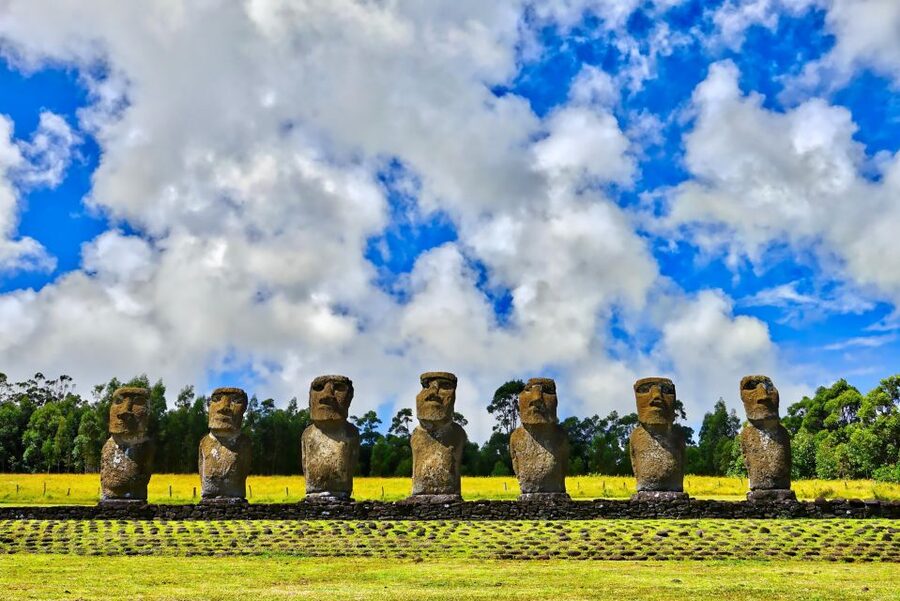
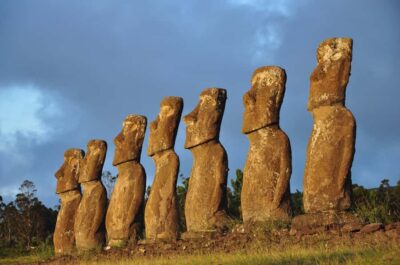
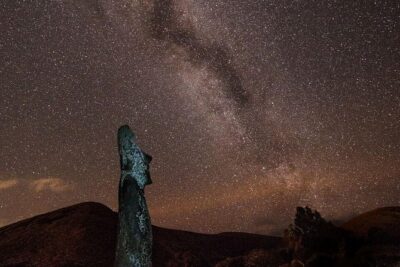
Ahu Akivi gives the tour a strong opening. Its platform holds seven moai, and the statues are linked to the island’s celestial traditions. That detail helps you see the figures as more than enormous stone portraits. Their placement reflects a society that paid close attention to the sky, the seasons, and direction.
You will likely get the most from this stop if you ask your guide to explain the orientation and the story behind the seven figures. The tour description specifically highlights their celestial alignment, so this is one of the places where a live guide adds real value.
Ahu Akivi also sets up a useful contrast for the rest of the day. At later stops, you will focus on quarrying, stonework, ritual, and geology. Here, the emphasis is on the relationship between moai and the heavens. I like that progression because it gives the statues a wider cultural setting.
Still, a short group visit cannot cover every theory about the platform. If you are deeply interested in moai construction or astronomy, treat this as an introduction, not a specialist lecture.
Ana Te Pahu, a cave with ceremonial meaning
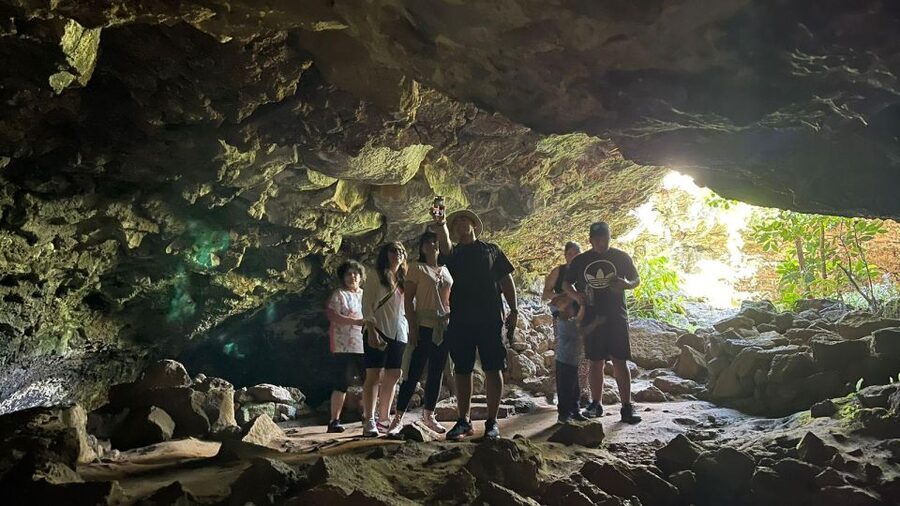
Ana Te Pahu brings you into a different side of Easter Island. This ceremonial cave sits on the slopes of Rano Kau and is described as containing petroglyphs and paintings connected with island traditions.
Caves matter here because they show how the island’s sacred spaces were not limited to open platforms and hilltops. You get a sense of how ceremony could take place in a sheltered, enclosed setting, with stone and volcanic terrain shaping the experience.
The cave section may appeal most to you if you enjoy places that feel less monumental than a line of moai. It also breaks up the outdoor stops. At the same time, conditions inside caves can vary, and the listing does not provide details about lighting, surfaces, or walking distance. Ask the operator what access involves if you have mobility concerns, even though the activity is marked wheelchair accessible.
That accessibility label is useful, but it does not explain whether every cave section is equally easy to reach. The safest approach is to confirm the exact route before booking if you use a wheelchair or need a fully step-free experience.
Puna Pau and the making of red topknots
At Puna Pau, you see the quarry that supplied the distinctive red scoria topknots placed on many moai. These red pieces, often called pukao, give the statues a different visual character and show that moai production involved more than carving the main body from one type of stone.
I find this stop especially helpful because it makes the island’s stonework easier to understand. You are not just looking at finished figures. You are seeing one of the places where artisans obtained a separate material for an important part of the statue.
The red scoria also raises a practical question: how did people move large stone pieces from a quarry to platforms around the island? The tour promises insight into craftsmanship and symbolism, but the available information does not specify how much time the guide spends on transport methods. If that subject interests you, ask about it directly.
Puna Pau is a good reminder that Easter Island’s monuments were part of a large working system. Quarrying, shaping, moving, and placing stone all required skill and organization. That is a more useful takeaway than simply collecting another photograph.
Same base, a different sort of day:
- Full day tour – DREAM
★ 5.0 · 86 reviews - From Hanga Roa: Journey from Orongo to Ana Te Pahu
★ 4.3 · 75 reviews - Rapa Nui Stargazing
★ 4.5 · 62 reviews - Two days of Full Day Tour of Rapa Nui + Sunrise in Tongariki
★ 4.8 · 55 reviews
Vinapu and the question of outside influence
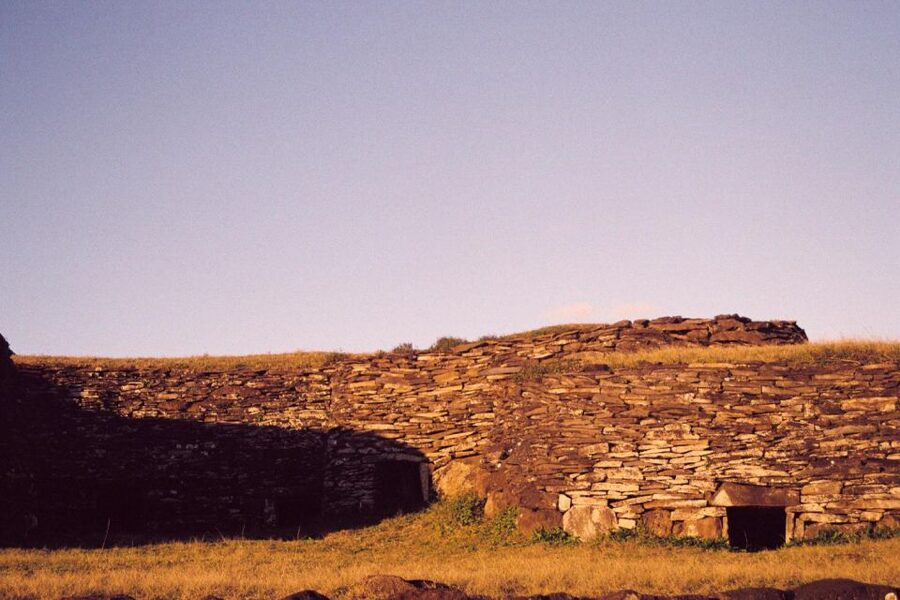
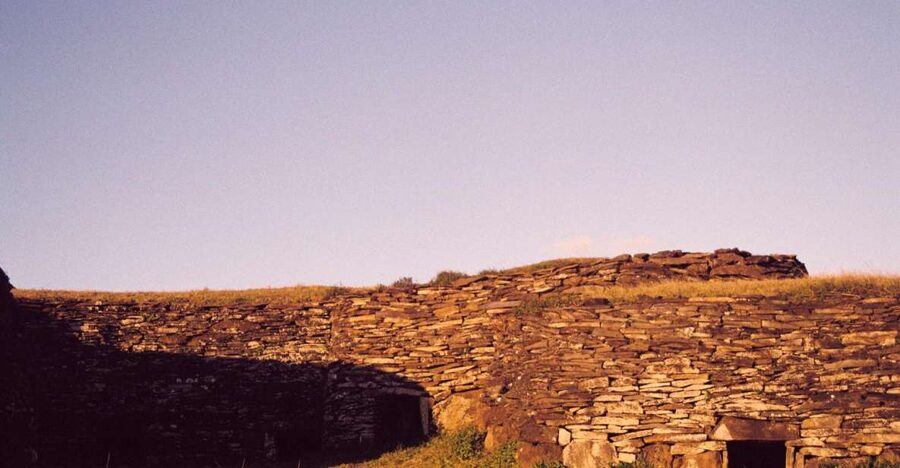
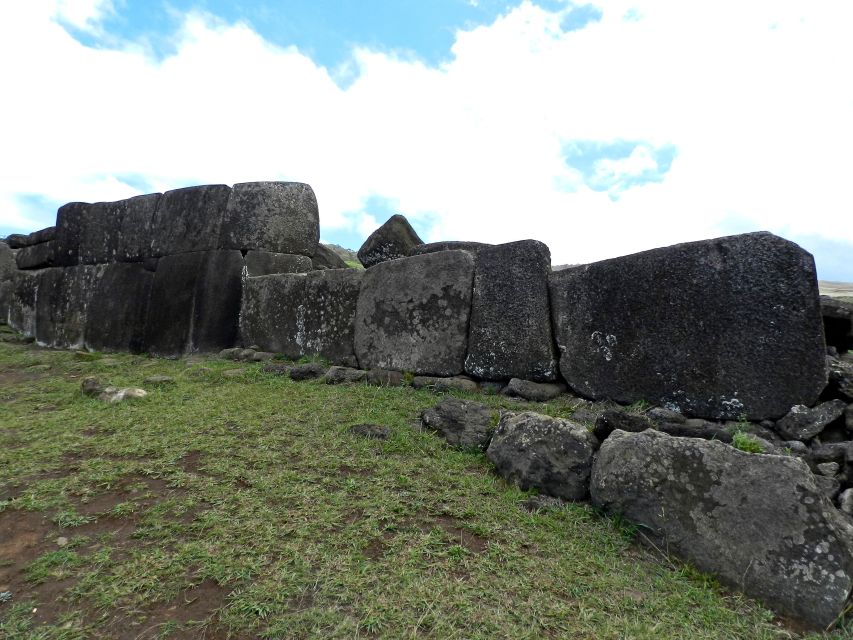
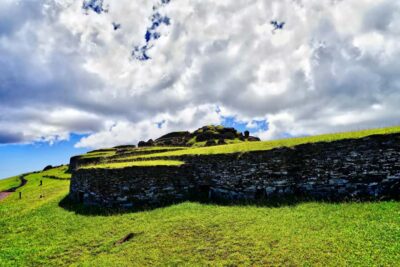
Vinapu is the tour’s strongest stop for stone architecture. Its megalithic construction is known for carefully fitted stonework, and the tour points to similarities with structures in South America, including those associated with Cuzco.
This is a place where you should listen closely to the wording of the explanation. Similar-looking masonry can prompt large theories about contact and influence, but resemblance alone does not settle the question. A good guide should help you distinguish between what is clearly visible at Vinapu and what remains a matter of interpretation.
I like the stop because it widens the story beyond the moai. The site shows precision at a large scale, with stone blocks arranged in a way that invites comparison with other monumental traditions. You get a better sense of the technical choices behind Rapa Nui construction.
The drawback is that the tour description does not tell you how detailed the discussion will be. One short visit may leave you with questions about dates, construction methods, and the South American comparison. That is not a reason to skip Vinapu, but it is a reason to ask for specifics instead of accepting a dramatic claim at face value.
Rano Kau, where geology shapes culture
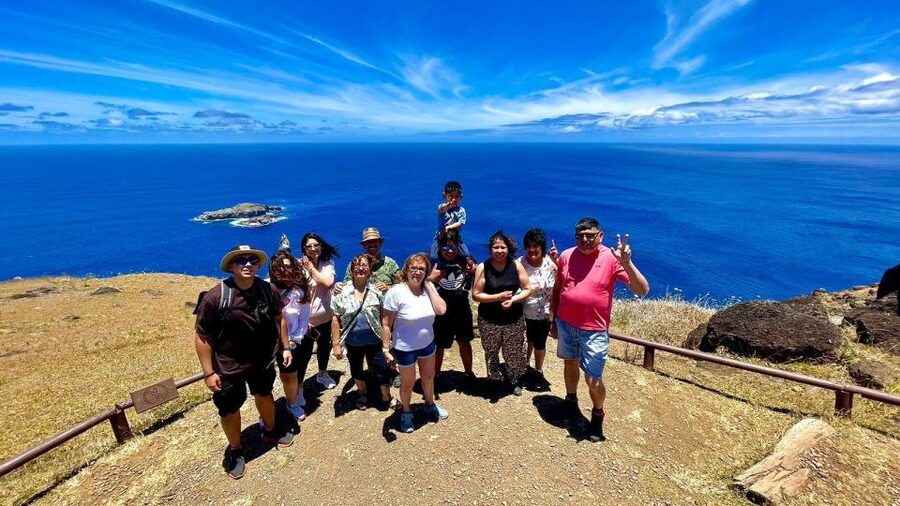
Rano Kau is one of the day’s major natural stops. This volcanic crater offers broad Pacific views and a distinct ecosystem, while also explaining the volcanic forces that shaped Easter Island.
I like having Rano Kau near the end of the route because it changes the scale of the day. After close looks at carved stone and masonry, you step back to see a large volcanic formation and the ocean beyond it. The crater helps explain why the island has the terrain and materials that made its monuments possible.
The stop also prepares you for Orongo. The birdman ceremony was not held in an abstract setting. It was tied to this particular crater rim, the sea, and the offshore islets visible from the ceremonial village. That connection between place and ritual is one of the strongest ideas in the itinerary.
The description promises panoramic views, but weather can affect what you see. No viewing conditions or walking distances are specified, so keep your expectations flexible. You may get a sweeping outlook, or a more muted view if clouds or wind move in.
Orongo and the birdman cult
Orongo is the emotional finish. Perched on the rim of Rano Kau, the ceremonial village is tied to the birdman cult, one of Easter Island’s best-known ritual traditions. Petroglyphs and the Pacific outlook give the site a strong sense of place.
The birdman competition involved status, ritual, and a dangerous relationship with the sea. The information provided here does not give the full rules of the ceremony, so ask your guide to explain how the ritual worked and why Orongo was chosen. The site is easier to understand when you connect the village, crater rim, ocean, and offshore islands rather than treating the petroglyphs as isolated carvings.
Orongo is also where the tour’s cultural and natural themes meet. You have seen how volcanic stone was quarried and used. Now you see a ceremonial site shaped by the crater and the Pacific. I would give this stop your full attention, even if you are tired after several earlier visits.
Because Orongo is the final stop, the quality of the explanation matters. This is the point where a strong guide can pull the day together. It is also the point where a weak guide may leave you with scenery but little understanding. The single negative review about guide quality is most relevant here.
What the guide adds, and what to verify
The experience is built around a native local guide, with English and Spanish available. That is important on Easter Island, where the meaning of a site often depends on names, traditions, and links between places. A guide can also help you understand why Ahu Akivi, Puna Pau, Vinapu, Rano Kau, and Orongo belong in one story.
However, the available feedback is mixed rather than uniformly positive. The overall rating is 4 from five reviews, while the only written comment supplied gives three out of five and says the guide was bad. You should take that seriously without assuming every departure will be the same.
Ask these questions before booking:
- Is the guide assigned for the day fluent in your preferred language?
- How large will the group be?
- How much time is planned at each site?
- Will the guide explain the birdman ceremony and the Vinapu comparison in detail?
- Is the pickup point confirmed for your accommodation?
No guide names are provided, so I cannot recommend a particular person. The best way to protect the quality of your day is to confirm the language and guiding arrangements in advance.
Transport, timing, and the real cost
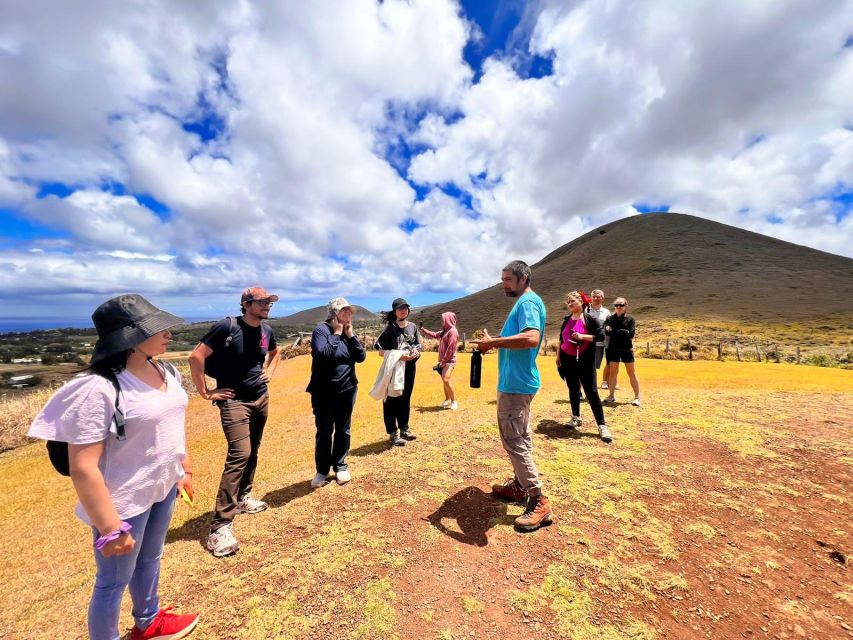
Transport, pickup, and drop-off are included. That matters on an island itinerary with several scattered sites. You do not have to arrange a vehicle between each stop, and you can focus on the explanations instead of navigation.
The tour lasts six hours, making it a substantial half-day. Since starting times vary, check availability and choose a departure that leaves you enough room for meals and other plans. The exact group size is not stated, so you should not assume a private tour or a small vehicle.
At $90 per person, the package is easiest to justify if you want a guided overview with transport. It is also useful early in a stay, since the route introduces several of the island’s major themes. If you have only limited time on Easter Island, seeing this many major areas in one outing may be worth the fixed schedule.
The national park ticket is extra. Include that cost when comparing this tour with alternatives. The provider does not sell the ticket, so arrange it separately according to current park requirements.
You can cancel up to 24 hours before the activity for a full refund, and the reserve-now, pay-later option gives you some flexibility. Those terms are practical, but they do not compensate for a poor guide, so the guide questions above remain important.
Who should book this Easter Island tour?
I would consider this tour a good fit if you want one organized outing that combines moai, caves, quarrying, stone architecture, a volcanic crater, and the birdman cult. It suits first-time visitors who want context and do not want to arrange transport between distant areas.
It also works for you if English or Spanish guiding matters. The route has enough cultural material to reward questions, especially at Ahu Akivi, Vinapu, and Orongo.
I would be more cautious if you want to spend a long time at each location, photograph without a schedule, or study one subject in depth. The six-hour route covers a lot, and the unspecified group size may affect how long you can linger.
I would also confirm accessibility carefully. The activity is listed as wheelchair accessible, but the cave and volcanic sites may have different surfaces or access conditions. Ask for a site-by-site explanation before booking if that is important for you.
Should you book Birdman Cult and Caves?
Book it if you want a broad, guided introduction to Easter Island and value included transport, pickup, and drop-off. The route has a strong shape: moai and astronomy at Ahu Akivi, cave ritual at Ana Te Pahu, quarrying at Puna Pau, stonework at Vinapu, geology at Rano Kau, and the birdman cult at Orongo.
Before you commit, confirm the guide’s language, group size, pickup details, and the national park ticket. The mixed guide feedback means the person leading the tour can make a noticeable difference. If those details check out, $90 is a reasonable price for six hours covering so many major sites.
FAQ
How long does the Birdman Cult and Caves tour last?
The tour lasts six hours. Starting times vary, so you need to check availability for the departure options offered on your chosen date.
What sites does the tour visit?
The route includes Ahu Akivi, Ana Te Pahu, Puna Pau, Vinapu, Rano Kau, and Orongo.
Is the national park ticket included?
No. The national park ticket is not included, and the provider does not sell it.
What languages are available?
The tour offers live guiding in English and Spanish.
Are pickup and drop-off included?
Yes. Transportation, pickup, and drop-off are included in the activity.
Can I cancel for a full refund?
Yes. You can cancel up to 24 hours in advance for a full refund. The reserve-now, pay-later option lets you book without paying immediately.
Just added around Easter Island
- Volcanic Refuges: Excursion to Underground Civilization★ 4.7 · 8 reviews
- Two days of Full Day Tour of Rapa Nui + Sunrise in Tongariki★ 4.8 · 55 reviews
- Half Day Tour in Rapa Nui★ 5.0 · 48 reviews
- Ride to the highest point on the island for sunset★ 5.0 · 40 reviews
- Rapa Nui Stargazing★ 4.5 · 62 reviews
- Easter Island: Private Full Day History Of The Moai★ 4.6 · 12 reviews
- Tongariki Sunrise: Half Day Private Tour★ 3.8 · 9 reviews
- Sunrise Tongariki: Sunrise at Tongariki Park Private Tour★ 4.5 · 47 reviews
Easter Island Tours, compared.
Two days of Full Day Tour of Rapa Nui + Sunrise in Tongariki
Read our review →
Browse the lists this tour appears in