
Reviewed · EASTER ISLAND TOURS
Full day tour – DREAM
Rapa Nui DREAM takes you to the places that make Easter Island unforgettable: the quarry at Rano Raraku, the grand platform at Ahu Tongariki, and the beach at Anakena. You see moai in several settings, from a fishing bay to a royal shore, while a local guide explains how the statues fit into Rapa Nui culture.
I like two things here. First, the route covers a lot of ground in one day, which matters if you have only a short stay. Second, guides such as Esteban, Christian, Joaquin, and Chris have earned strong praise for clear explanations, good pacing, photography help, and answers that connect the ruins to modern island life.
The main caution is timing. The tour is advertised at eight to nine hours, but one outing ran far shorter after a late departure and holiday closures, and another had a long wait before leaving. Confirm the start arrangements and route before setting out, especially around Christmas or other special schedules.
Key points to know before booking
- Rano Raraku is the day’s centerpiece: Allow about two hours to see the quarry and its unfinished moai.
- Ahu Tongariki gets proper time: The largest ahu in Polynesia is scheduled for roughly two hours.
- The route includes seven major places: You visit Vaihu, Akahanga, Rano Raraku, Tongariki, Te Pito Kura, Nau Nau, and Anakena.
- Lunch is not included: Carry food and drinks, since the meal stop may be late, sometimes around 3 p.m.
- The national park ticket costs extra: Foreign visitors pay $80, while Chilean citizens pay CLP20,000.
- Small groups can make a big difference: The normal maximum is 15 people, though holiday operations have sometimes used smaller groups.
A full day among Rapa Nui’s great stone figures
This is an archaeological and cultural tour, not simply a scenic drive around Easter Island. The point is to see the moai where they belong, then understand the villages, ceremonial platforms, quarries, and shoreline that shaped Rapa Nui life.
The tour costs $120 per person, before lunch and the national park entrance fee. For a foreign visitor, the basic outlay is therefore about $200 before food. That is not cheap, but the price can make sense if you want one organized day that reaches the island’s main eastern and northern sites without arranging separate transport.
The route begins at 9:30 a.m. beside Iglesia Católica Tu’u Koihu in Hanga Roa and returns there at the end. The vehicle holds up to 15 people. Some outings have operated with much smaller groups, which can mean faster stops and fewer delays, but the exact group size is not promised.
You receive route information through WhatsApp the day before. I would still use that message to confirm the meeting point, pickup plan, guide, and expected finish time. One of the weakest experiences reported here involved a long wait in a parked minivan while late arrivals were collected, so a clear morning briefing matters.
A few more trips around Chile worth a look
- Small-Group Cajón del Maipo Full-Day Tour and Picnic
★ 4.5 · 2,277 reviews - Piedras Rojas, Altiplanics Lagoons & Salar Full-Day Tour
★ 4.7 · 592 reviews - From El Calafate: Torres del Paine Full Day Tour
★ 4.6 · 434 reviews
Ahu Vaihu begins with village life
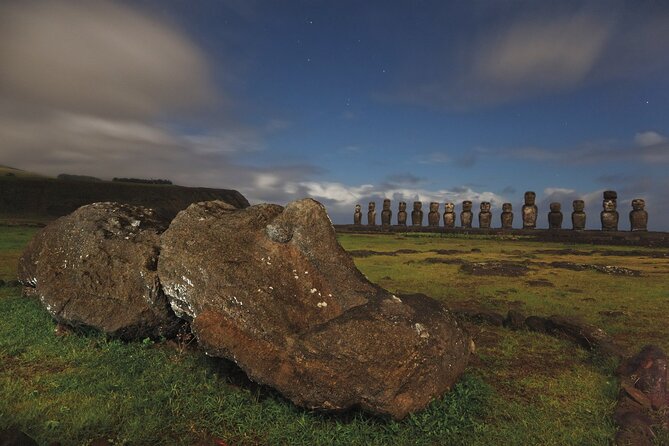
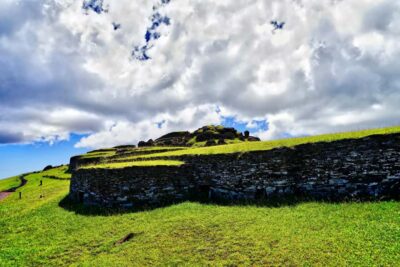
Ahu Vaihu is a useful first stop because it shows the moai in a setting tied to daily life. The platform has eight fallen moai beside an ancestral bay used by fishermen. You also see Poko Manu Mea, presented as a representative example connected to Rapa Nui villages and customs.
The stop lasts about 30 minutes. That is enough for an introduction and photographs, but not a long walk or extended study. If your guide is one of the stronger storytellers, this is where you begin to see the statues as part of a wider society rather than isolated stone figures.
Admission is listed as included at Vaihu. You should still have your national park ticket ready before the first day of the excursion, since access rules apply across the protected sites.
Ahu Akahanga shows a former village
At Ahu Akahanga, the focus shifts to an old village near a small bay. The site is less instantly famous than Tongariki or Rano Raraku, but that is part of its value. It gives the day a more human scale, with evidence of settlement near the coast rather than only monumental platforms.
The planned visit is 30 minutes. Admission is listed as not included in the tour price, so your national park pass remains essential. This is also a place where the guide’s explanation carries much of the experience. Without context, you may see stones and foundations. With a good explanation, you can better picture how the village and ceremonial area related to one another.
Rano Raraku is the day’s great reveal
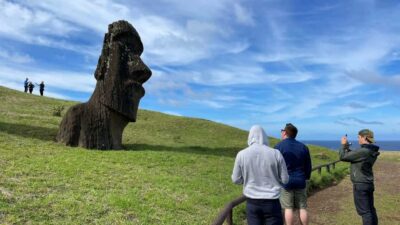
Rano Raraku is where the moai were carved, and the schedule gives it two hours. That generous block is one of the strongest parts of this outing.
The quarry contains about 400 unfinished statues. Some remain attached to the rock, while others appear at different stages of production. The unfinished figures help you understand that these were not simply stones transported from one place to another. Their carving, removal, and placement required planning, labor, and a system that is still debated and studied.
This is also the stop where sturdy shoes and moderate fitness matter most. The tour requires a moderate physical fitness level, and the quarry visit involves walking around an archaeological site rather than viewing everything from the vehicle. The information provided does not promise a fully accessible route, so anyone with mobility concerns should ask the operator before booking.
Two hours gives you time for photographs and questions. Several guides have been praised for explaining the moai accurately and correcting common misunderstandings about them. That service is important here, since a good talk can turn a field of unfinished statues into the clearest lesson of the day.
Same base, a different sort of day:
- Santiago: Cajon del Maipo/Embalse del Yeso Tour with Picnic
★ 4.3 · 3,789 reviews - Santiago: Vina Del Mar, Valparaiso, Casablanca & Reñaca Tour
★ 4.2 · 2,838 reviews - Santiago: Cajon del Maipo & Embalse El Yeso Trip with Picnic
★ 4.5 · 1,859 reviews - Tourist bus around Santiago for a day
★ 4.5 · 1,857 reviews
Ahu Tongariki deserves a slow look
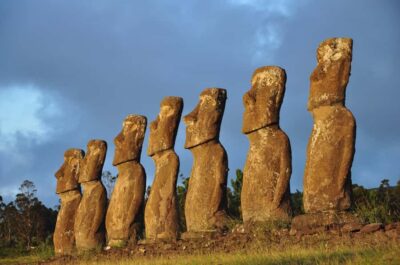
Ahu Tongariki is the largest platform, or ahu, in Polynesia. Its 15 upright moai face inland with their backs to the ocean, creating the most powerful group view on the itinerary.
The planned stop is two hours. That may sound long, but it is appropriate. You need time to take in the entire platform, walk around the viewing area, listen to the explanation, and take photographs from different angles. Guides have been praised for giving people enough time with the statues rather than rushing from one viewpoint to the next.
Tongariki is also a good test of the tour’s pacing. On a well-run day, two hours allows the group to stay together without making the site feel hurried. On an unusually short or disrupted day, this is one of the places where you would want to know exactly how much time is being protected.
Te Pito Kura adds two unusual details
Ahu Te Pito Kura is scheduled for one hour and is known here for two features: a magnetic stone and the longest moai. It gives the day a different texture after the large group at Tongariki.
The stop is listed as included, and the hour should allow time to hear the story behind the stone, see the fallen moai, and take photographs. One important warning comes from an outing where this stop was not visited, even though it was part of the advertised route. That appears to have been an operational failure rather than the normal plan, but I would ask the guide at the start to confirm that Te Pito Kura is on the day’s route.
This is a good example of why the itinerary deserves more than a quick glance. The famous sites get most of the attention, but smaller stops such as Te Pito Kura help you see the variety of Rapa Nui ceremonial places.
Ahu Nau Nau and Anakena bring the day to the sea
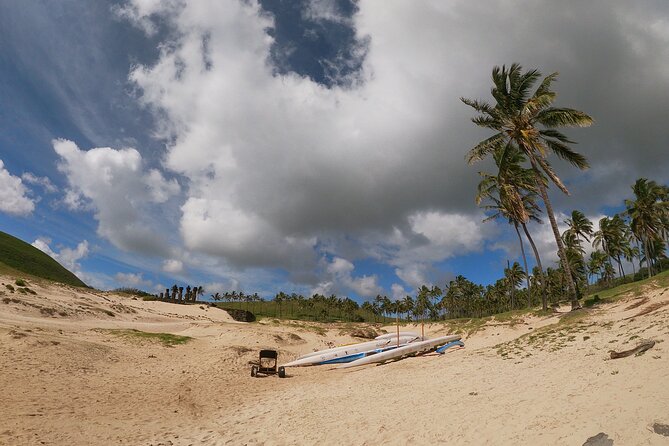
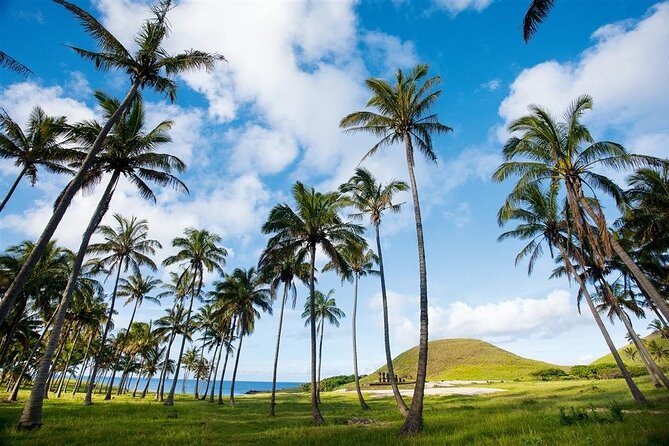
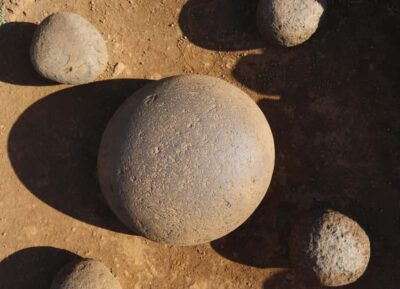
Ahu Nau Nau sits about 150 meters inland from Anakena Beach and has seven moai. The statues form a natural bridge between the island’s ceremonial past and its most famous beach.
The visit is scheduled for 30 minutes, and admission is listed as not included in the tour price. Since Nau Nau and Anakena are paired geographically, the exact order can change. On one holiday outing, the guide began at Anakena to make the route work with an early park closing. That may help avoid crowds or protect access, but it can also change how much time you have for swimming and lunch.
Anakena’s Rapa Nui name is Hanga Rau o Te Ariki. It is linked with the story of King Hotu Matu’a’s arrival on the island. The beach stop lasts about 30 minutes and is free according to the information provided.
Do not book this tour mainly as a beach day. The experience centers on archaeology and culture. Swimming may be possible when the schedule and conditions allow, but it is not guaranteed. Lunch is not included either, and the eating opportunity can come late. One outing reached the restaurant area around 3 p.m., with slow service creating an additional wait.
If Anakena is the part you most want to enjoy, ask at the start how much beach time is planned. The tour can show you the shore and the Nau Nau platform, but it may not leave much time for a relaxed swim.
The guides are a major part of the value
The strongest part of this tour is the guiding. Esteban receives especially warm praise for explaining ancient Rapa Nui culture, modern island life, and the meaning of the Tapati festival. He is also noted for speaking clear English and helping with photographs.
Christian is described as friendly, funny, and well informed, while Joaquin is praised for connecting stories to the places in front of you. Chris has been described as quiet at first but strong on detail. Other outings were led by Andres, who was praised for organization and small-group pacing.
That range matters because the experience depends heavily on who leads your vehicle. You are not simply being driven between photo stops. The guide is meant to explain why a platform was built, how a quarry functioned, and what the statues meant within Rapa Nui society.
The company does not guarantee a particular guide, so you should not book solely on the hope of getting Esteban. Still, the repeated praise for several guides suggests that the operator has a solid pool of local staff. The less successful outings point to a different issue: communication and time management, not just subject knowledge.
Timing, vehicles, and the risk of a disrupted day
The advertised duration is eight to nine hours, starting at 9:30 a.m. A well-paced day should make use of the full schedule, especially since Rano Raraku and Tongariki together account for about four hours.
The most serious complaint involved a 90-minute wait for late arrivals, a small vehicle carrying 16 people, and a finish around 4 p.m. rather than a full eight or nine hours. The route also reportedly omitted Te Pito Kura and another archaeological site. That is not consistent with the planned experience and is the main reason I would confirm the departure procedure carefully.
A separate Christmas Eve outing was shortened because the park closed earlier. The operator said the group was split into smaller vehicles and that all scheduled archaeological stops were still completed more efficiently. Holiday hours can change the shape of the day, even when the guide tries to protect the route.
The practical lesson is simple: arrive early, check the vehicle, and ask when the group will leave the meeting point. If the schedule changes, ask which stops will remain and how much time will be spent at Anakena. That small conversation can prevent a major mismatch between your expectations and the actual day.
Is $120 a fair price?
The $120 tour fee is reasonable for a full day of transport, guiding, and access to a wide set of sites, but it is not the full cost for most international visitors. Add the $80 national park fee, then budget separately for lunch and drinks.
The value is strongest if you have limited time on Rapa Nui and want one organized outing with an English-speaking guide. The value is weaker if you mainly want a leisurely beach day, dislike fixed schedules, or are concerned about paying extra for park access.
The tour has received a 4.8 rating from 86 reviews, with 93 percent recommending it. That is a strong overall record, but the lower ratings point to specific risks: late starts, missed stops, poor communication, air conditioning problems in one vehicle, and a beach stop that felt rushed or under-explained.
I would call it good value when the full route operates, the vehicle leaves on time, and the guide protects the scheduled time at Rano Raraku and Tongariki. I would not treat the low price as a guarantee of a private or perfectly controlled day.
Who should book this Rapa Nui tour?
This outing suits you if you want the island’s main moai sites explained in one day. It is especially useful for first-time visitors, people with only a short stay, and anyone who wants help understanding the difference between an ahu, a quarry, a village site, and a beach connected with Rapa Nui tradition.
It also suits photographers. Guides have been praised for allowing time for pictures and, in some cases, helping take them. The route offers group portraits at Tongariki, details at Rano Raraku, coastal views at Vaihu and Akahanga, and a completely different setting at Anakena.
You may prefer another plan if your priority is swimming, an unhurried lunch, or spending a long time at one site. You should also ask about the vehicle and group size if you are sensitive to heat or cramped transport.
Book at least a day ahead if possible, and note that this experience is often reserved well in advance. The cancellation policy allows a full refund if you cancel at least 24 hours before the start time. Poor weather can also lead to a new date or full refund.
Should you book it?
Yes, if you want a broad, guide-led introduction to Rapa Nui and accept the extra national park fee. The quarry at Rano Raraku and the 15 moai at Tongariki alone make this a strong use of a day, while Vaihu, Akahanga, Te Pito Kura, Nau Nau, and Anakena add cultural and coastal context.
Before paying, confirm the 9:30 a.m. departure, the meeting point at Iglesia Católica Tu’u Koihu, the expected finish, the national park ticket, and whether all seven listed stops are planned. If those details are clear, RAPA NUI DREAM offers a practical way to see the island’s essential sites with a guide who can give the stones meaning.
FAQ
How long does the tour last?
The planned duration is approximately eight to nine hours, beginning at 9:30 a.m. The actual day can vary if park hours, holidays, group arrangements, or delays affect the schedule.
Where does the tour start and finish?
It starts at Iglesia Católica Tu’u Koihu in Hanga Roa, Easter Island. The activity ends back at the same meeting point.
What sites are included in the route?
The planned route includes Ahu Vaihu, Ahu Akahanga, Rano Raraku, Ahu Tongariki, Ahu Te Pito Kura, Ahu Nau Nau, and Anakena Beach.
Is lunch included?
No. Food and drinks are not included. Lunch may be available near Anakena, but the meal can take place late in the day.
How much is the national park ticket?
The ticket costs CLP20,000 per Chilean citizen and $80 per foreign visitor. You must have the ticket before the first day of the excursion.
What is the maximum group size?
The listed maximum is 15 people. On some special days, the operator may divide the group into smaller vehicles.
Is the tour suitable for people with limited fitness?
A moderate physical fitness level is required. The information does not specify full accessibility, so ask the provider about walking conditions before booking if this is important for you.
What happens if the weather is poor?
If the activity is canceled because of bad weather, you can be offered another date or a full refund. You can also cancel for a full refund if you do so at least 24 hours before the scheduled start time.
Just added around Chile
- 4 TOUR IN ATACAMA IN 3 DAYS★ 4.6 · 12 reviews
- Atacama Desert: Horseback Adventure with Scenic Views★ 4.7 · 42 reviews
- Santiago: City Highlights Walking Tour★ 4.2 · 51 reviews
- Puerto Varas: Peulla Day Trip★ 4.5 · 57 reviews
- Santiago: The Essentials City Tour & Optional Concha y Toro★ 3.4 · 40 reviews
- Horseback Trailride Excursion★ 5.0 · 48 reviews
- Horseback Private Wine Tour and Country Grill from Santiago★ 5.0 · 52 reviews
- Traditional City Tour★ 5.0 · 58 reviews
Easter Island Tours, compared.
Browse the lists this tour appears in