
Reviewed · EASTER ISLAND & MOAI TOURS
Easter Island: Full-Day Tour to Anakena
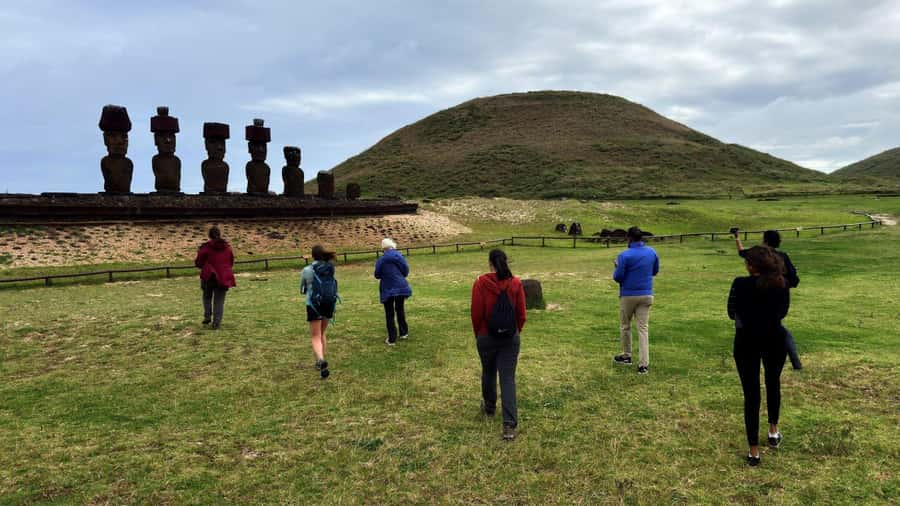
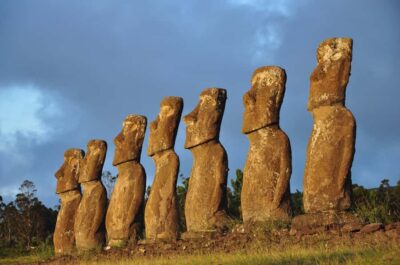
The most powerful sight comes early: Ahu Tongariki, where 15 enormous moai face inland with the Pacific behind them. From there, this full-day loop takes you to the quarry that produced hundreds of statues, then to Anakena, a palm-fringed white-sand beach tied to the island’s first Polynesian chief.
I like the way this tour joins the big archaeological stops with time by the sea. I also like the guides’ human touch. Bruno is praised for his love of the island, while Vincent is noted for explaining the civil wars, tsunamis, earthquakes, and painstaking restoration behind the statues you see today.
The main consideration is cost. At $171 per person, you still pay the $100 Rapa Nui National Park entrance fee separately, bringing the known total to $271 before any other expenses. The tour also requires good weather, does not suit wheelchair users, and is not available to cruise passengers staying aboard ship.
Key points to know before you book
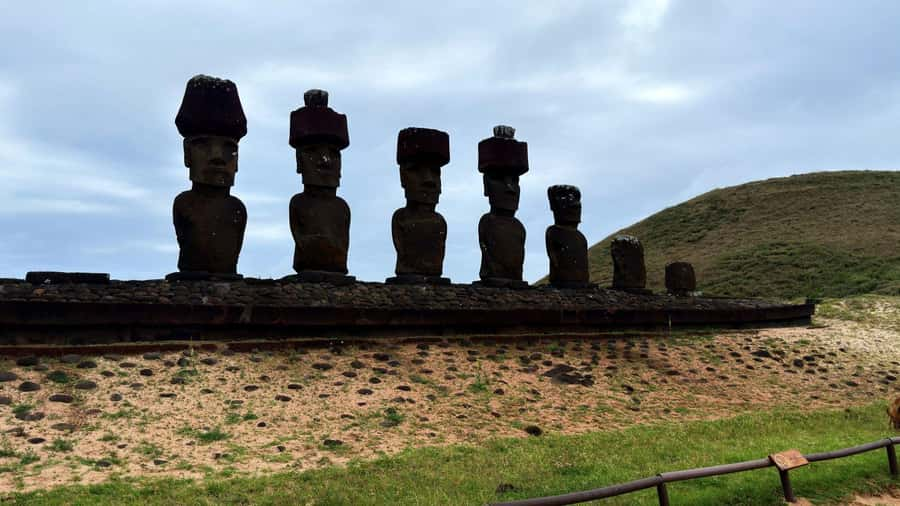
- Ahu Tongariki has 15 restored moai, the largest single row of statues near the ocean.
- Rano Raraku is the moai quarry, with more than 390 figures spread around the volcanic crater.
- Anakena Beach adds a genuine break, with swimming, sand, caves, and nearby coastal stops.
- Bruno and Vincent are praised by name, especially for clear storytelling and patient explanations.
- Hotel pickup, a picnic lunch, and an English or Spanish guide are included, but the national park fee is not.
- The eight-hour schedule covers a lot of ground, so it suits a first visit or anyone with only one full day.
Why this route works for a first day on Easter Island
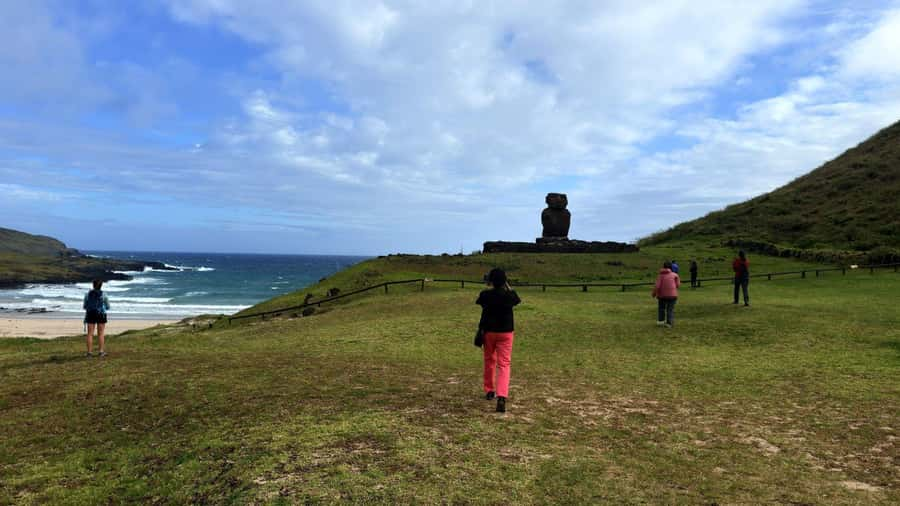
Easter Island, also called Rapa Nui, is not a place where the main sights sit around one compact town. Hanga Roa is the base, but the moai platforms, volcanic craters, quarries, beaches, and caves are scattered across the island.
That makes a full-day guided loop useful. You spend less time sorting out the route and more time looking at the stonework, coast, and volcanic terrain. The guide also gives the statues a story, which matters here. Without context, a row of giant stone figures can become a string of photo stops. With a good explanation, you begin to see the rebuilding, damage, ceremony, and human effort behind each site.
This route focuses on the north and southeastern coasts, then returns to Hanga Roa. It is an active day, but the pace is not described as rushed. One detailed account praises the balance between ceremonial sites, volcanoes, statues, and beaches, with enough time at each stop to take in the setting.
You should still expect a long outing. Eight hours is a major part of your day, and the island’s roads connect sites that are far apart. That is the tradeoff: less freedom than driving yourself, but much less planning and a far clearer sense of how the sites fit together.
More moai and Rapa Nui trips around Hanga Roa
- From Hanga Roa: Rapa Nui Culture Sightseeing Tour
★ 4.6 · 307 reviews - From Hanga Roa: Easter Island Highlights 2-Day Tour
★ 4.3 · 205 reviews - From Hanga Roa: Journey from Orongo to Ana Te Pahu
★ 4.3 · 75 reviews
Ahu Akahanga: an early look at fallen moai
Ahu Akahanga is one of the first archaeological stops. An ahu is a ceremonial platform, and these platforms are central to understanding Rapa Nui’s moai tradition. At Akahanga, you see another side of the island’s monuments, away from the polished effect of a single restored row.
The site helps set up the explanations that follow. Your guide can connect the condition of the statues with the island’s difficult past, including conflict, earthquakes, tsunamis, and the later work required to restore the archaeological sites.
I would pay attention here to the difference between a statue lying on the ground and one placed upright on an ahu. The contrast makes the restoration story easier to understand. You are not simply seeing isolated sculptures. You are seeing pieces of a ceremonial system that has been damaged and carefully rebuilt over time.
Because the full tour includes several moai sites, Akahanga is also a useful early introduction. It gives you a point of comparison before the much larger display at Tongariki.
Ahu Tongariki and the island’s most dramatic moai row
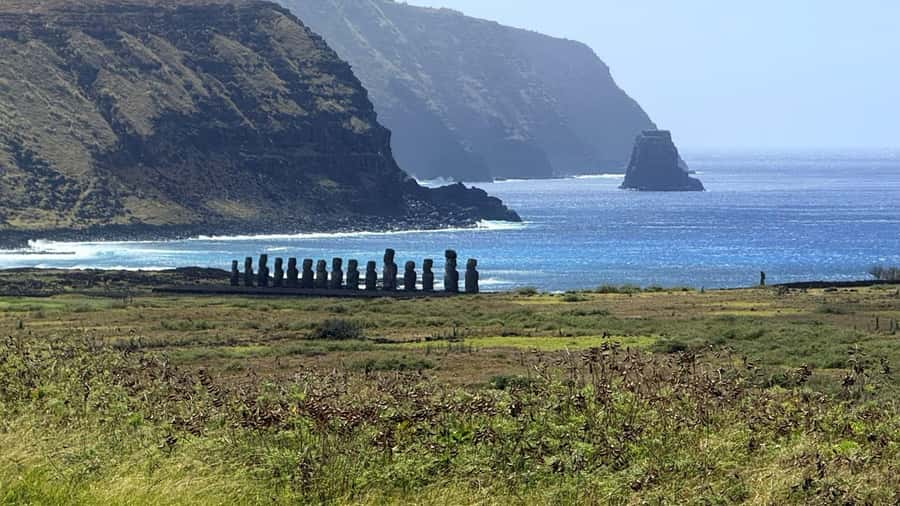
Ahu Tongariki is the visual high point for many people. Fifteen giant moai line the ceremonial platform near the ocean, creating one of Easter Island’s most memorable scenes.
The statues differ in height, shape, and expression, so take a little time to look along the row rather than only photographing the whole platform. The Pacific setting gives the site scale, but the moai themselves reward close attention. Their backs face the sea and their presence is directed toward the island.
This is a good place to hear about restoration. The statues were not simply found standing in perfect condition. The explanation of earthquakes, tsunamis, and human conflict helps you understand why this scene looks the way it does today.
The stop can feel crowded if several vehicles arrive together, though the tour details do not specify group size or exact time at the platform. Your guide controls the schedule, so if you want quiet photographs, ask when the best moment might be. A little patience usually improves the experience.
Rano Raraku, the quarry where the moai began
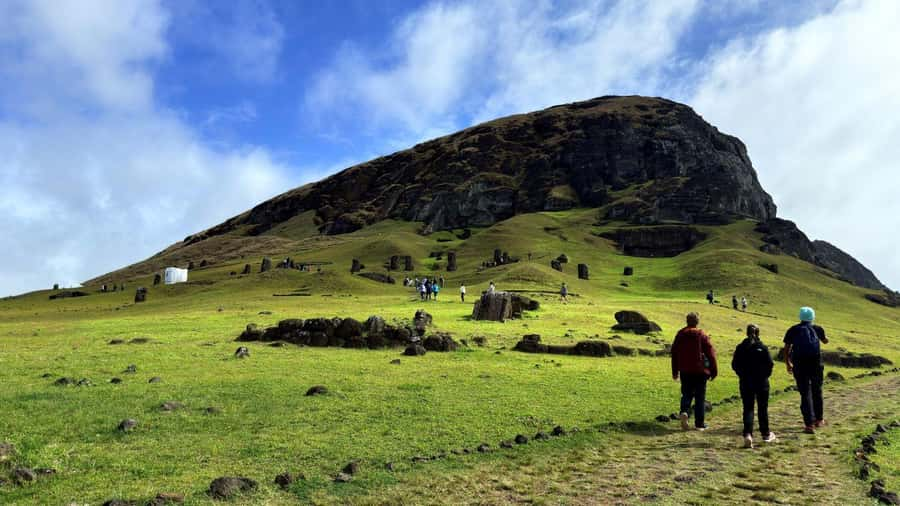
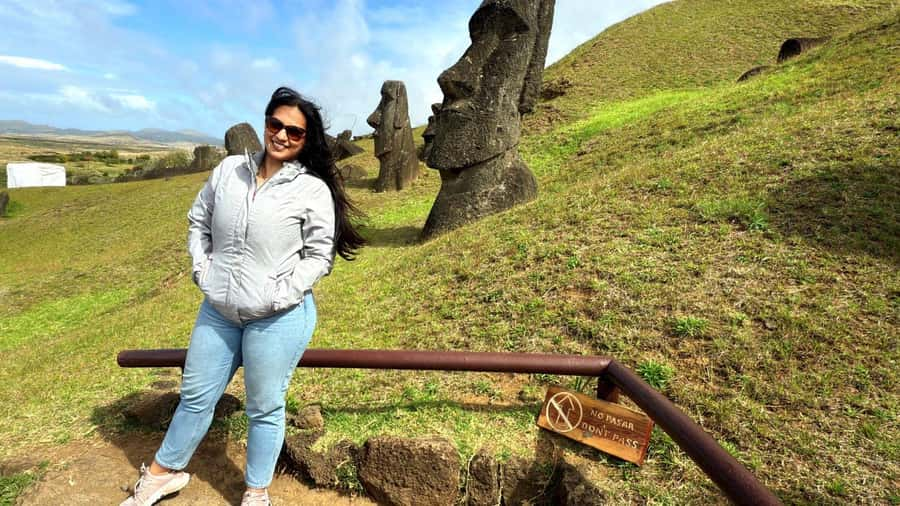
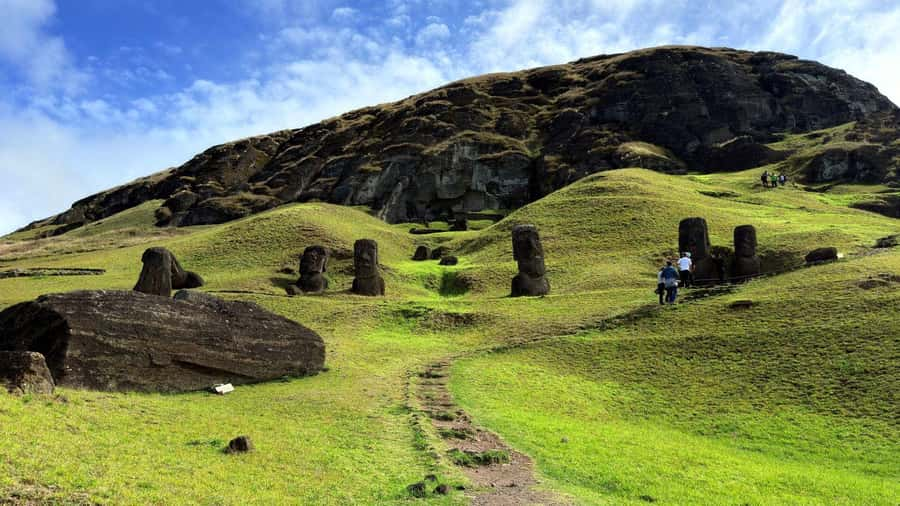
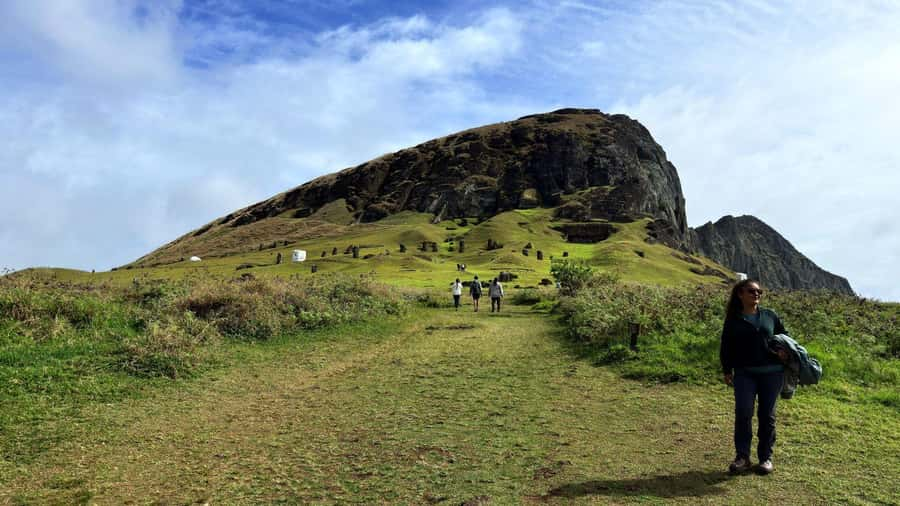
Rano Raraku is the most important stop for understanding how the moai were made. The volcanic crater contains the Cantera de los Moais, or moai quarry, where more than 390 figures can be found.
This is not just another statue site. It is where you see moai in different stages of production and in different positions around the crater. The setting makes the scale of the work easier to grasp. A finished statue at a ceremonial platform can seem mysterious. A quarry filled with figures shows that the island’s sculptors were working through a long, demanding process.
Your guide’s explanation matters here. Ask about the statues that remain in the quarry and how the stone was worked. The supplied details do not specify the exact walking distance or trail difficulty, so wear sensible shoes and follow the guide’s instructions.
A picnic lunch is served at Rano Raraku, surrounded by nature. This is a practical feature, not a luxury. You do not need to break away from the route to find food, and the meal gives you a chance to pause after the morning’s major sites.
The park fee is separate from the tour price, and it is especially important here because Rano Raraku is one of the principal archaeological areas. When comparing costs, treat the listed $171 as only part of the expense. Add the $100 national park fee before deciding if the day fits your budget.
A few more trips around Hanga Roa worth a look
- Two days of Full Day Tour of Rapa Nui + Sunrise in Tongariki
★ 4.8 · 55 reviews - Hanga Roa: Full Day Moai and Mistery
★ 4.4 · 22 reviews - Small-Group Cajón del Maipo Full-Day Tour and Picnic
★ 4.5 · 2,277 reviews - Piedras Rojas, Altiplanics Lagoons & Salar Full-Day Tour
★ 4.7 · 592 reviews
Ahu Nau Nau and the return to the coast
After Rano Raraku, the route continues to more moai structures, including Ahu Nau Nau. This keeps the day from becoming a single-site visit and lets you compare different ceremonial settings.
Ahu Nau Nau is tied to the coastal portion of the tour, so it helps bridge the archaeological and beach sections of the day. You can continue listening to the guide’s explanations while noticing how each platform relates to its surroundings.
The schedule includes several stops, but it does not give exact visit lengths. If a particular ahu matters most to you, tell your guide early in the day. Guides such as Bruno or Vincent may adjust the emphasis when the group’s timing allows, though no specific flexibility is promised.
This is one reason I would choose a guided day rather than trying to rush through a long list of sites alone. The monuments can look similar on paper, but the guide helps you understand what makes each one different.
Anakena Beach brings a welcome change of pace
Anakena is a white-sand beach and one of the island’s best swimming spots. It is also linked with Hotu Matu’a, the Polynesian chief traditionally associated with the first settlement of Easter Island.
After hours of moai and volcanic sites, Anakena gives you room to relax. Bring the towel requested for the tour, especially if you hope to swim. The information provided does not promise a specific amount of swimming time, so think of the beach as a scheduled stop rather than a full beach day.
The natural setting is part of the appeal. You get sand, sea, and open space after a morning focused on stone and archaeology. That contrast makes the itinerary feel more complete. It also gives you a chance to slow down and absorb the island without another explanation every few minutes.
Do not assume the beach will work for every kind of weather. The entire service operates only in good conditions. Since the schedule includes coastal stops, caves, and swimming, poor weather can affect both comfort and operation.
Caves, Poike, and Ovahe add variety
The tour also visits two small caves within a gorge. This is a different kind of stop from the major ahu platforms and crater. You get a closer look at the island’s volcanic rock and coastal formations, though the supplied details do not give the cave names or the amount of time spent inside.
The route includes nearby beaches at Poike and Ovahe, where you can stop and relax. These visits may appeal to you if you want more than a checklist of statues. They add quiet coastal scenery and another chance to see how the island’s volcanic origins shape its shoreline.
Keep your expectations practical. The tour is eight hours, so these beach and cave stops share time with several major archaeological sites. You may have enough time to pause, take photographs, or rest, but this is not designed as a slow beach holiday.
The guide can make or break the archaeological stops
The strongest praise is directed at the guides. Bruno is described as especially enthusiastic about the island and his work, with a large store of interesting information. Vincent is praised for patience and for explaining the painful restoration work behind the statues.
Those qualities matter on Easter Island. A guide who only names the sites leaves you with photographs but little understanding. A guide who explains civil wars, tsunamis, earthquakes, and restoration helps you see why the island looks different from the idealized images used in travel brochures.
Guiding is available in English and Spanish. If your language needs are important, select the appropriate option when booking and confirm it before departure. The tour includes a live guide, not simply transport between stops.
You should also ask questions. Why are some statues at the quarry? What happened to the platforms? How were the moai restored? The exact answers depend on the guide, but the route gives you plenty of openings for a useful conversation.
What the $171 price really covers
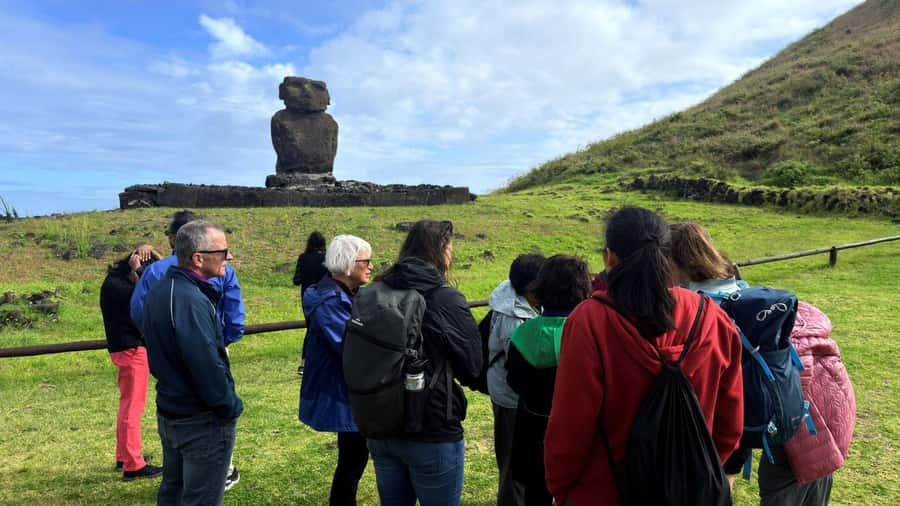
The $171 price includes hotel pickup and drop-off at Easter Island hotels, an eight-hour guided tour, and a picnic lunch at Rano Raraku. That is a fair amount of transport and organization for one day on an island where the major sights are spread out.
The separate $100 Rapa Nui National Park fee changes the calculation. Your known total becomes $271 per person. That is not a cheap day, but the price may make sense if you have only one full day, prefer not to arrange transport, and want historical interpretation at each major stop.
The value is weaker if you already have several days on the island, want to set your own pace, or dislike fixed schedules. A private arrangement might give you more control, but that is a different product and no price comparison is provided here.
The included lunch is useful because it keeps the group on route. You are paying partly for convenience, partly for transport, and partly for the guide’s explanations. Decide if those three things matter more to you than saving money or traveling independently.
Who should book this full-day outing?
I would recommend it most strongly to a first-time visitor with one full day available. You see the major moai sites, the quarry, volcanic scenery, beaches, caves, and coastal viewpoints without having to build the route yourself.
It also suits anyone who wants history explained in plain language. The comments about Bruno and Vincent suggest that the guide can add real value, especially when discussing the difficult events and restoration work connected with the monuments.
You should think twice if you need a wheelchair-accessible activity. The tour is specifically listed as unsuitable for wheelchair users. It is also not suitable for cruise ship passengers, even if your ship is visiting Easter Island, because pickup is intended for people staying in hotels.
Bring a towel, and plan for a full day outdoors. Good weather is required for operation, and the beach portion is more enjoyable if you are prepared for the possibility of swimming.
FAQ
How long is the Easter Island tour?
The tour lasts eight hours, with pickup and drop-off at your Easter Island hotel.
What sites are included?
The route includes Ahu Akahanga, Ahu Tongariki, Rano Raraku, Ahu Nau Nau, Anakena Beach, two small caves in a gorge, and the nearby beaches of Poike and Ovahe.
Does the tour visit Rano Kau?
Rano Kau is named among the experience highlights, but the detailed route provided centers on Rano Raraku. Confirm the exact itinerary when booking if visiting Rano Kau is important to you.
Is lunch included?
Yes. A picnic lunch at Rano Raraku is included.
Is the national park entrance fee included?
No. The Rapa Nui National Park entrance fee costs $100 and must be paid separately.
Is the tour available in English?
Yes. The live guided tour is offered in English and Spanish.
Can cruise ship passengers join?
No. The service is not suitable for cruise ship guests and is intended for passengers staying in Easter Island hotels.
Should you book it?
Book this tour if you want one well-organized day that covers Easter Island’s major archaeological sights and finishes with time at Anakena Beach. The combination of Ahu Tongariki, Rano Raraku, Ahu Nau Nau, caves, and beaches gives you a strong first look at the island.
The best reason to choose it is the guiding. Bruno and Vincent are specifically praised for making the monuments understandable, not merely photogenic. The main drawbacks are the added $100 park fee, the fixed eight-hour schedule, the weather requirement, and the lack of access for wheelchair users or cruise passengers.
For a first visit with limited time, I think the convenience and range justify the price. If you have several days and want to set your own rhythm, save this route for comparison and consider exploring at a slower pace.
Just added around Hanga Roa
- Volcanic Refuges: Excursion to Underground Civilization★ 4.7 · 8 reviews
- Two days of Full Day Tour of Rapa Nui + Sunrise in Tongariki★ 4.8 · 55 reviews
- Sunrise Tongariki: Sunrise at Tongariki Park Private Tour★ 4.5 · 47 reviews
- Rapa Nui: Polynesian Massage★ 4.8 · 5 reviews
- Rapa Nui: 3 Excursions with Hotel Transfers★ 4.3 · 6 reviews
- Rapa Nui Highlights Program: 3 incredible tours to discover!★ 4.8 · 18 reviews
- Rapa Nui Dreams: Experiencie Pack 3 Days★ 4.7 · 32 reviews
- Hanga Roa: Full Day Moai and Mistery★ 4.4 · 22 reviews
Easter Island & Moai Tours, compared.
Two days of Full Day Tour of Rapa Nui + Sunrise in Tongariki
Read our review →
Browse the lists this tour appears in