
Reviewed · EASTER ISLAND & MOAI TOURS
Private tour: where the history of the Moai was born
Rano Raraku is the heart of this seven-hour trip. This volcanic quarry is where the moai were shaped, and you can see statues left at different stages of work, from rough stone forms to figures almost ready for transport. Add Tongariki at sunrise, the fallen statues at Akahanga, and a final swim at Anakena, and you get a strong first look at Rapa Nui.
I like the small maximum group of four, since it gives you a real chance to ask questions and adjust the pace. I also like the native guides, including Tete, Sophia, and Hella, who have brought humor, local life, Spanish practice, and personal attention to the day. The main caution is consistency: one report describes a rushed outing that ended after about three hours, while another describes a dirty emergency-replacement vehicle and less background about Rapa Nui than expected.
Key points at a glance
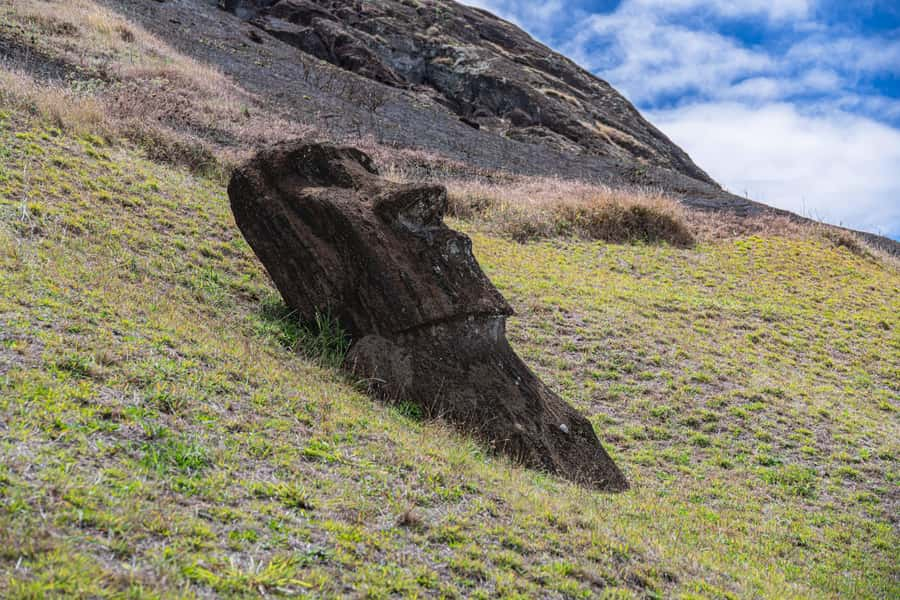
- Rano Raraku is the centerpiece: See the quarry where the moai were carved, with unfinished figures still on the slopes.
- Six major sites in one day: The route covers Vaihu, Akahanga, Rano Raraku, Tongariki, Te Pito Kura, and Anakena.
- A genuinely small group: The tour is limited to four participants, and solo bookings may receive a more flexible program.
- Native guiding matters: Tete, Sophia, and Hella have each been praised for warmth, humor, language skills, or local insight.
- Beach time finishes the day: Anakena adds white sand, palm trees, ocean views, and the chance to swim.
- Budget for the park ticket: The $150 price includes transport and guiding, but not the National Park ticket.
Why this route makes sense on Rapa Nui
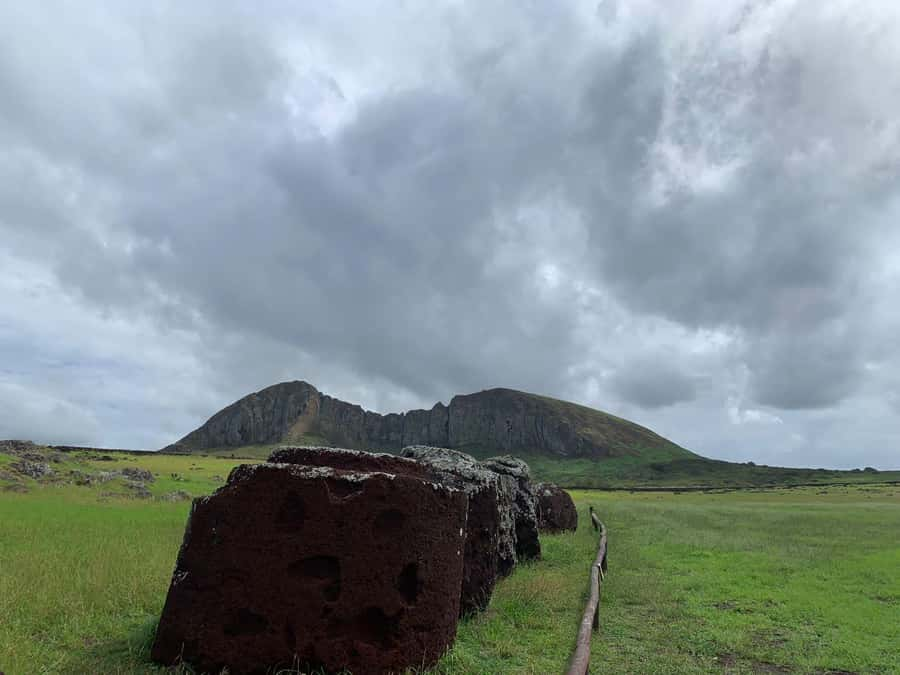
This is not a tour built around one famous photo stop. It links the main archaeological sites along the island’s southern and eastern sides, then finishes at Anakena Beach. That gives you a useful mix: statues lying where they fell, a working quarry, a ceremonial platform with a full row of moai, legends tied to a huge stone, and a pleasant coastal stop.
At $150 per person, the value depends on how many people are in your group and how well the day is managed. With only one or two other participants, the price buys private transport, a guide, and a full day of access to sites that are spread across Rapa Nui. It is less attractive if you receive a short, rushed visit or if the guide provides little context.
The tour lasts seven hours, though the actual timing deserves a quick check before you set out. One booking that began at 10 a.m. reportedly finished at 1:10 p.m., far earlier than expected. That appears to be an exception, but it is worth confirming the starting time, sequence, and expected finish with Hotumatur Rapa Nui.
More moai and Rapa Nui trips around Easter Island
- From Hanga Roa: Rapa Nui Culture Sightseeing Tour
★ 4.6 · 307 reviews - From Hanga Roa: Easter Island Highlights 2-Day Tour
★ 4.3 · 205 reviews - From Hanga Roa: Easter Island Sightseeing Full Day Tour
★ 4.5 · 189 reviews
Vaihu: fallen statues beside the coast
Vaihu introduces you to the unsettled side of Rapa Nui’s moai story. Ancient statues lie scattered around the site, giving you a clear sense that these monuments were part of a changing social and religious world, not simply permanent decorations.
This is a good place to begin because it leaves room for questions. Look closely at the stonework and ask your guide about how the moai were made, moved, and placed on ceremonial platforms. The supplied description promises explanations of the craftsmanship and the mysteries around the figures, but the depth of that explanation will depend on your guide.
The site also helps prepare you for Akahanga. At Vaihu, you see statues in a fallen setting. Later, at Akahanga, you see more remains of the platforms and settlements connected with them. Together, these stops give the day a useful visual thread.
Akahanga: moai, platforms, and unfinished work
Akahanga carries more of the island’s archaeological atmosphere. You can see remains of ancient settlements and platforms, along with toppled moai in different stages of completion.
I would give this stop time rather than treating it as a quick photo break. The fallen statues raise obvious questions about when and why they came down, and the guide’s explanation can help separate established information from local stories. You may also see how the ceremonial platforms relate to the wider settlement pattern.
This is one place where guide quality matters most. A short explanation can leave you with impressive stones but little understanding. A good guide can connect the statues to the people who lived here, the island’s past, and the reasons the monuments were made. If your priority is human history rather than photographs, ask early for more background about the Rapa Nui people and settlement of the island.
Rano Raraku: the place where the moai began
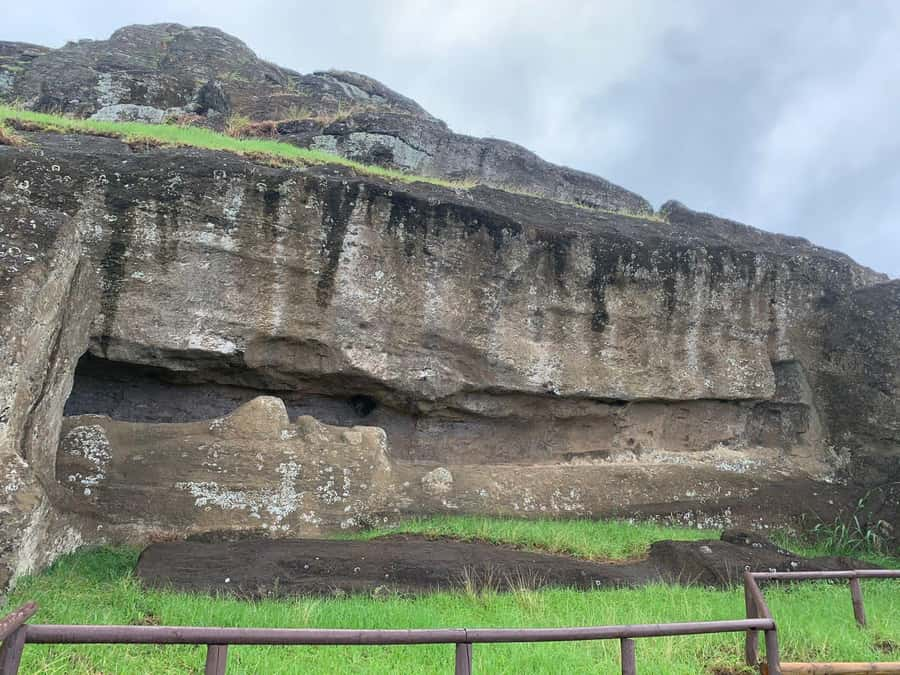
Rano Raraku is the day’s essential stop. This volcanic quarry served as the source and workshop for the moai, and the unfinished statues make the work process unusually easy to understand.
Here you can see figures at several stages, including rough-hewn forms and statues that were almost complete. The scale of the site helps explain the effort involved. Instead of seeing only a finished moai on a platform, you see the stone still connected to its production setting.
I find this more revealing than a single grand statue. The quarry lets you think about selection, carving, transport, and abandonment. It also gives your guide a natural point for explaining how the statues changed from blocks of volcanic stone into recognizable human forms.
Plan to pay attention to the ground and your pace. The supplied information does not specify trail conditions or walking distances, so I would ask your guide what the visit involves that day. The important point is not to rush through. One of the strongest reports from this tour specifically appreciated having enough time at every stop, and Rano Raraku is where that patience pays off.
A few more trips around Easter Island worth a look
- Sunrise Tongariki: Sunrise at Tongariki Park Private Tour
★ 4.5 · 47 reviews - Private Tour: The Underground World of Rapa Nui Caves
★ 4.2 · 23 reviews - Easter Island: Private Full Day History Of The Moai
★ 4.6 · 12 reviews - Easter Island: The Moai Trail Private Archeological Tour
★ 4.9 · 12 reviews
Tongariki: the grandest line of standing moai
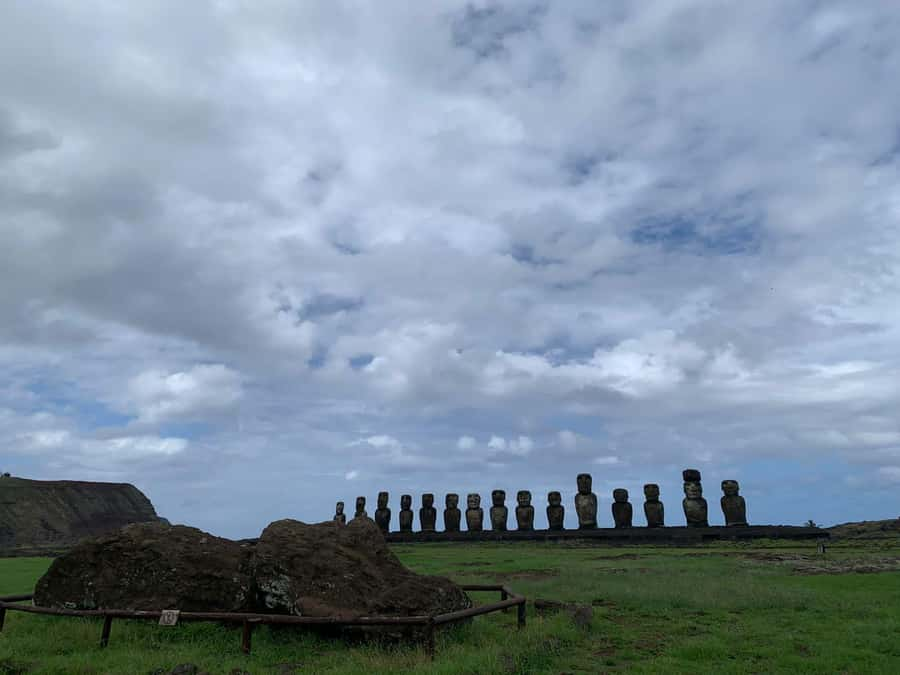
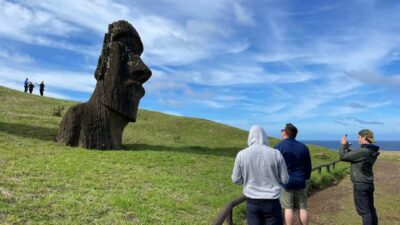
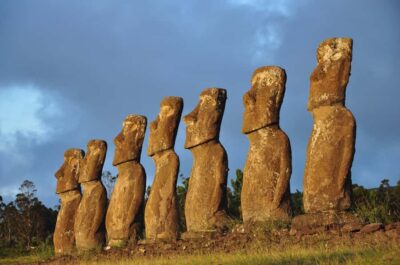
Tongariki is the most dramatic visual stop. Its long row of standing moai faces the sunrise, creating the image many people carry away from Rapa Nui.
If your departure is early enough, morning light can add warm color to the stone. The tour description highlights the statues in golden sunlight, but do not assume every departure includes sunrise. Confirm the start time if that scene is important to you.
Tongariki is also a useful contrast with Vaihu and Akahanga. There, statues lie toppled or scattered. Here, they are gathered in a powerful row on a ceremonial platform. The change makes the visit feel like part of a larger story about restoration, memory, and the island’s monuments.
You will want photographs, but try to leave room for the guide’s explanation. The arrangement is striking on its own, yet the site becomes more meaningful when you understand how it fits into Rapa Nui’s ceremonial traditions.
Te Pito Kura: one large statue and a powerful legend
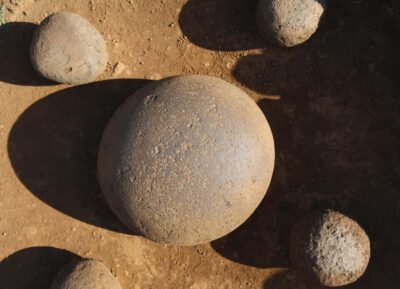
Te Pito Kura adds mystery without requiring a long stop. The site includes an enormous moai and a distinctive spherical stone connected with local legend and special significance.
This is a good place to ask your guide what belongs to tradition, what is archaeological evidence, and how the story is understood on Rapa Nui today. The supplied description intentionally presents the site through its myths, so your experience will depend on how clearly the guide explains both the story and its limits.
Te Pito Kura also breaks up the larger archaeological stops. After the quarry at Rano Raraku and the long row at Tongariki, the unusual stone and oversized moai offer something different to look at. It is a short, memorable chapter in the route rather than the main event.
Anakena Beach: finish with sand and sea
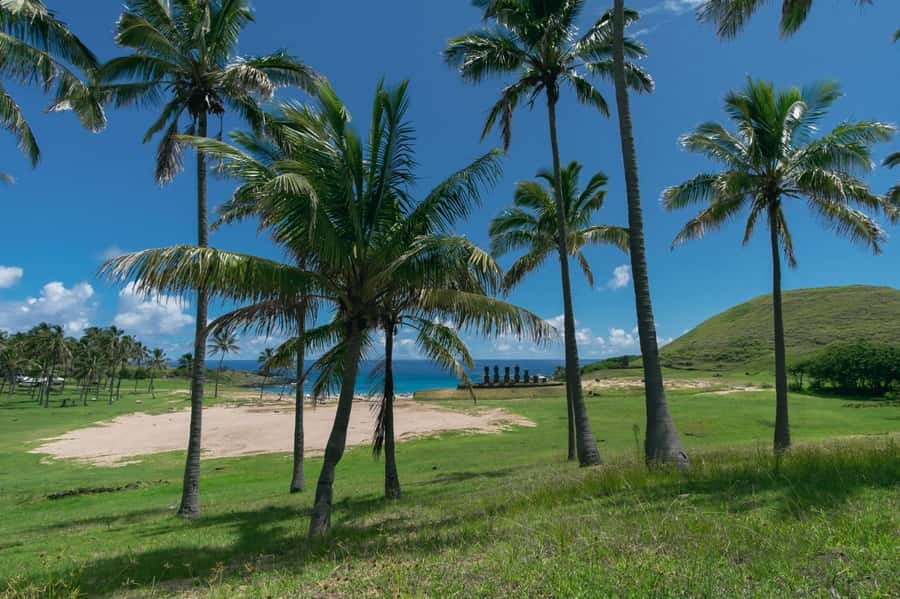
Anakena changes the tone of the day. White sand, palm trees, and the Pacific provide a relaxed ending after several hours among archaeological sites.
Moai stand near the beach, so you can continue looking at the island’s monuments without feeling that the day has become one long sequence of ruins. You can also relax, swim in the clear water, and reflect on what you have seen.
The beach stop is especially useful if you want variety. A strictly archaeological tour might leave you with a head full of stone platforms and unanswered questions. Anakena gives you time to slow down and enjoy Rapa Nui as an island, not only as an archaeological site.
Do not assume that lunch is included. One highly positive account describes ending up eating lobster on a beach, but the tour information lists no meal in the price. Treat that as something that may be arranged separately, not as a guaranteed inclusion.
The guides: warmth is the main strength
The most praised part of this experience is the personal service. Tete has been described as friendly, funny, and kind, with a relaxed pace that allowed time at the sites. Sophia adapted a solo tour and added places the participant wanted to see. Her English was described as excellent, and she also shared Chilean Spanish and details about present-day life on Rapa Nui.
Hella was praised for arriving on time and keeping the day well balanced. Those comments point to what a small tour can do well: you are not locked into the rhythm of a large coach, and the guide can respond to your interests.
The guides speak English or Spanish. If you want more than the basic stories, say so early. One experience felt short on background about the people, their arrival, and their settlement of the island. You can improve your chances of a satisfying day by asking direct questions about those subjects at Vaihu or Akahanga, before reaching Rano Raraku.
The reports also show that service can vary. One guide was initially reserved but became more relaxed later. Another outing involved an emergency replacement guide and a dirty vehicle. That is not a reason to reject the tour, but it is a reason to confirm your pickup, guide, and vehicle in advance.
Transport, group size, and the real value of $150
Transportation, pickup, and drop-off are included. That matters on an island where the major sites are spread apart, and it saves you from arranging separate transport for each stop.
The group limit is four people. This is the strongest practical feature for anyone who dislikes large tours. You can ask for clarification, request a little more time, and speak with the guide without competing with a crowd.
Solo participants may receive the most flexibility. Sophia adjusted one private outing around the participant’s interests, which is exactly the sort of benefit you hope for from a small group. Still, flexibility is not guaranteed, so tell the operator what matters most to you before the day begins.
The National Park ticket is not included. Add that cost to your budget, and ask how and when you should obtain it. The tour price includes the guide and vehicle, not every expense connected with entering the sites.
Free cancellation up to 24 hours before departure and the reserve-now, pay-later option reduce the financial risk of booking. They are helpful if your Rapa Nui schedule is still shifting, but they do not solve the more important issue: making sure the day will run for the advertised seven hours.
Who will like this tour most
This is a good fit if you want the major moai sites in one day, prefer a small group, and value conversation with a local guide. It works especially well for a first full day on Rapa Nui, when you want to understand how the quarry, platforms, settlements, and beach sites connect.
You will likely enjoy it if you want a mix of archaeology and scenery. Rano Raraku and Tongariki provide the major visual moments, while Anakena gives you a chance to swim and rest.
It may be less suitable if you want a carefully academic lecture at every site. The guiding sounds warm and personal, but the amount of historical detail can vary. It may also disappoint you if you expect a guaranteed sunrise departure, included food, or a perfectly predictable vehicle.
Should you book this Rapa Nui day tour?
I would book it if the small group and native guide are more important to you than a formal lecture. The route is strong, the sites are essential, and the combination of Rano Raraku, Tongariki, and Anakena gives you a satisfying range of experiences.
Before paying, confirm the seven-hour schedule, pickup time, guide assignment, and National Park ticket arrangements. Tell the operator if you want extra context about Rapa Nui people and settlement, or if you would prefer more time for photographs and swimming.
With the right guide and a full day, $150 is a fair price for transport, personal attention, and access to the island’s key moai sites. If the schedule is vague, ask for details first. On Rapa Nui, rushing past the quarry would be a serious mistake.
FAQ
How long does the tour last?
The advertised duration is seven hours. One reported outing ended much earlier than expected, so confirm the planned starting and finishing times with the provider.
How many people can join?
The tour is limited to four participants.
Which languages are available?
Live guiding is available in English and Spanish.
Is hotel pickup included?
Yes. Pickup and drop-off are included in the activity.
Is transportation included?
Yes. Transportation is included in the price.
Is the National Park ticket included?
No. The National Park ticket is not included.
Which sites does the tour visit?
The route includes Vaihu, Akahanga, Rano Raraku, Tongariki, Te Pito Kura, and Anakena Beach.
Can I swim at Anakena Beach?
Yes. The activity description includes time to relax on the beach and swim in the clear water.
Is food included?
No meal is listed as included. A separate account mentions eating lobster at a beach, but food is not part of the stated inclusions.
Can I cancel for a full refund?
Yes. You can cancel up to 24 hours in advance for a full refund.
Do I have to pay when I book?
No. The reserve-now, pay-later option lets you book without paying immediately.
Just added around Easter Island
- Volcanic Refuges: Excursion to Underground Civilization★ 4.7 · 8 reviews
- Two days of Full Day Tour of Rapa Nui + Sunrise in Tongariki★ 4.8 · 55 reviews
- Half Day Tour in Rapa Nui★ 5.0 · 48 reviews
- Ride to the highest point on the island for sunset★ 5.0 · 40 reviews
- Rapa Nui Stargazing★ 4.5 · 62 reviews
- Easter Island: Private Full Day History Of The Moai★ 4.6 · 12 reviews
- Tongariki Sunrise: Half Day Private Tour★ 3.8 · 9 reviews
- Sunrise Tongariki: Sunrise at Tongariki Park Private Tour★ 4.5 · 47 reviews
Easter Island & Moai Tours, compared.
Two days of Full Day Tour of Rapa Nui + Sunrise in Tongariki
Read our review →
Browse the lists this tour appears in