
Reviewed · EASTER ISLAND & MOAI TOURS
Easter Island: The Moai Trail Private Archeological Tour
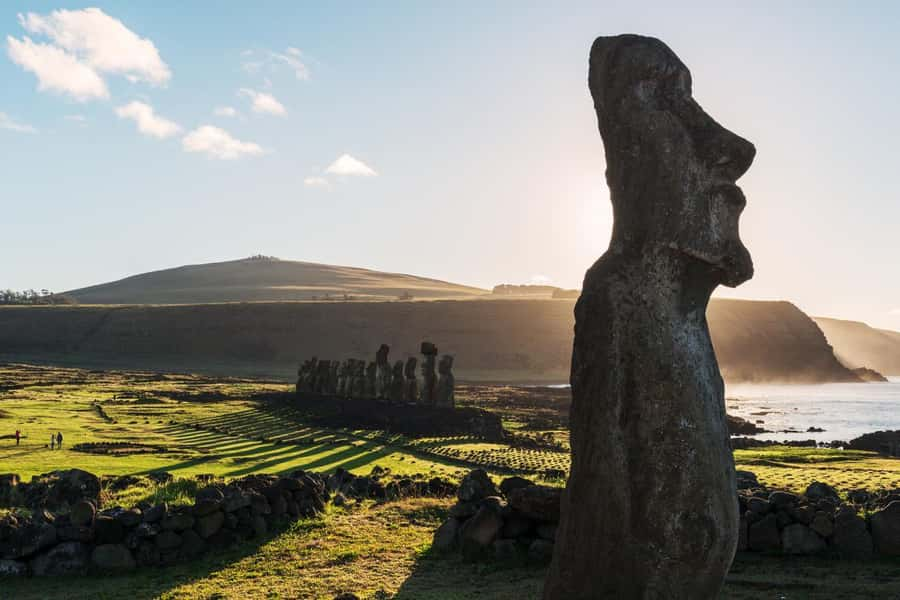
The most striking part of this tour is the chance to see Rano Raraku, the volcanic quarry where hundreds of moai remain in different stages of carving. You also visit Ahu Tongariki, where 15 enormous statues line the island’s most imposing ceremonial platform.
I like the private vehicle and hotel pickup from Hanga Roa, which make a long day much easier. I also like the range of sites: you get fallen moai and ancient house remains at Akahanga, the quarry at Rano Raraku, and a white-sand beach at Anakena. The main drawback is that the listed stop times add up to more than six hours, so confirm the day’s exact schedule before booking.
Key points at a glance
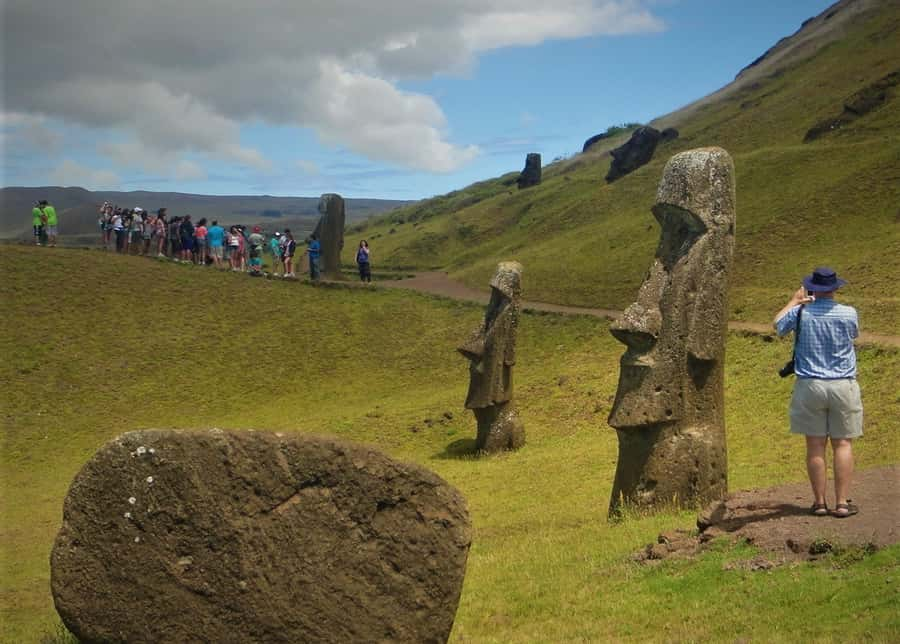
- Rano Raraku is the heart of the tour: Walk among about 400 moai, including unfinished statues still attached to the volcanic rock.
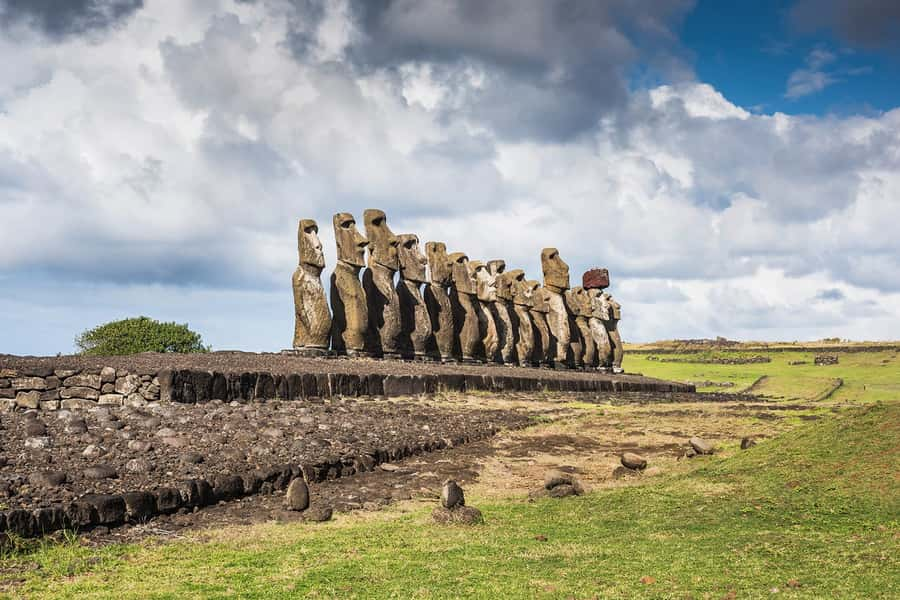
- Ahu Tongariki delivers the big visual moment: Fifteen restored moai face inland from the island’s largest ahu platform.
- The private format gives you a better chance to ask questions: Guides including Sol, Hugo, Miguel, Isa, and Yoyo have been praised for storytelling, humor, and cultural context.
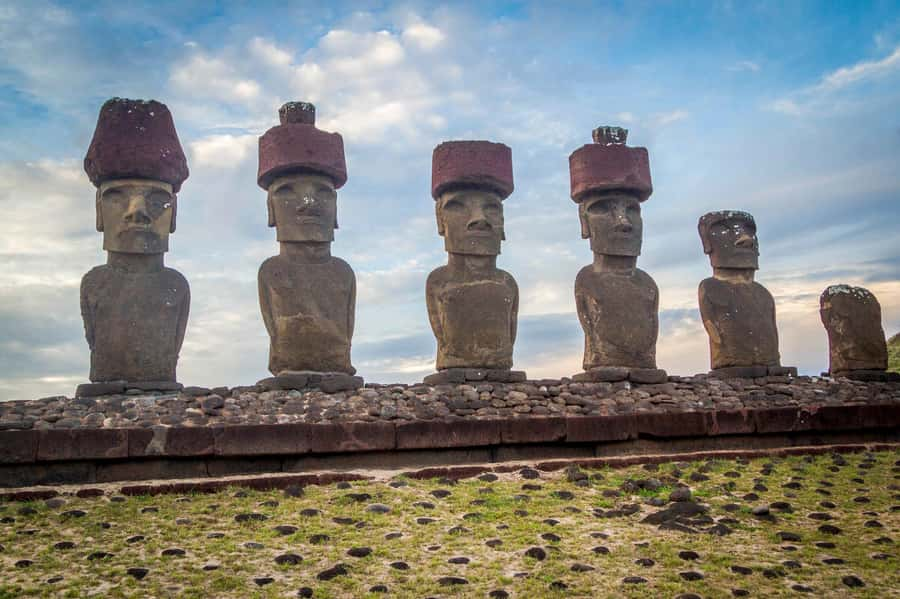
- Anakena adds a welcome change of pace: See Ahu Nau Nau and its five moai with pukao before spending time by the white-sand beach.
- The real cost is $280 per person before food: The $200 tour price does not include the separate $80 entrance fee.
- This is an active day: Comfortable shoes and warm clothing matter, and the tour is not suitable for wheelchair users or people with mobility impairments.
Easter Island, or Rapa Nui, is not a place where one famous viewpoint tells the whole story. The moai are the headline, but the real interest comes from seeing where they were carved, how they were arranged, and what happened to them after the island’s ceremonial centers changed.
This private tour gives you that broad picture in one day. From Hanga Roa, you travel to ruined ahu, the great quarry at Rano Raraku, the restored platform at Tongariki, the curious stone at Te Pito Kura, and the beach at Anakena. You see both the mystery and the practical work behind the statues.
What the $200 price really covers
The advertised price is $200 per person, and it includes hotel pickup and drop-off, private transportation, a professional guide, and a private group. You also need to budget $80 per person for entrance fees, plus your own food and drinks. That brings the known total to $280 per person before lunch or snacks.
That is not a bargain-priced sightseeing loop, but the value is easier to understand if you care about the guide and want a private day rather than a large group. You can ask questions as you go, adjust the pace within the day’s schedule, and hear explanations that connect the sites instead of treating each moai as a separate photo stop.
The tour is also practical if you are staying in Hanga Roa and do not want to arrange transport across the island yourself. Pickup and drop-off remove a common bit of planning, while a private vehicle is especially useful on a route with several widely separated sites.
One point needs clarification. The published duration is six hours, but the listed guided portions total seven and a half hours: 30 minutes at Akahanga, 3.5 hours at Rano Raraku, two hours at Tongariki, 30 minutes at Te Pito Kura, and 1.5 hours at Anakena. That may reflect approximate timings, a shortened version of some stops, or a scheduling error. Ask the operator how much time is actually planned at each location.
More moai and Rapa Nui trips around Hanga Roa
- From Hanga Roa: Rapa Nui Culture Sightseeing Tour
★ 4.6 · 307 reviews - From Hanga Roa: Easter Island Highlights 2-Day Tour
★ 4.3 · 205 reviews - From Hanga Roa: Journey from Orongo to Ana Te Pahu
★ 4.3 · 75 reviews
Starting at Ahu Akahanga
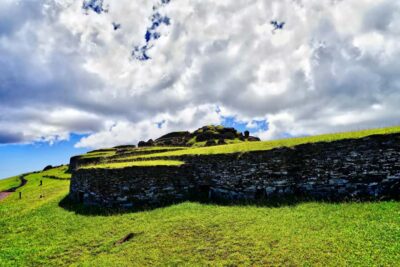
Your first stop is near Akahanga, once an important ceremonial center. Here, you see an ahu, fallen moai, and the remains of hare paenga, the boat-shaped stone houses used by the island’s earlier inhabitants.
Akahanga is valuable because it does not present the moai as isolated monuments. The statues lie where they fell, and the site helps explain the period of tribal conflict when many moai were knocked down. The fallen figures create a more sobering scene than the restored platforms elsewhere.
Your guide can also help you read the remains of the settlement. The stone foundations show the outline of the old houses, while the ahu connects domestic life with ceremony and ancestor worship. I would pay attention here to the relationship between the village remains and the statues, rather than rushing straight to photographs.
The stop is listed at 30 minutes, which is enough for an introduction but not a long archaeological walk. If you want extensive time at every ruin, the schedule may feel tight. Still, Akahanga is a strong opening because it gives you historical context before the larger sights arrive.
Rano Raraku, where the moai began
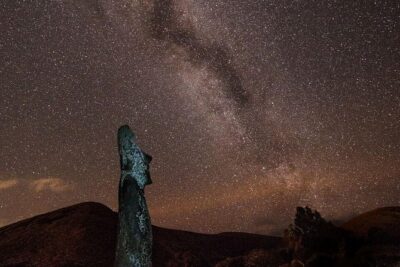
Rano Raraku is the centerpiece. This volcanic quarry supplied the stone used for most of the island’s moai, and about 400 statues remain here in various stages of carving.
The quarry changes how you understand the statues. At the ahu, you see finished figures placed in a formal setting. At Rano Raraku, you see the production process: figures partially cut from the rock, unfinished bodies resting on the slopes, and statues that never reached their intended platform.
That unfinished quality is the point. These are not simply abandoned decorations. They show the labor, planning, and technical skill needed to shape a statue from volcanic tuff before moving it across the island. Your guide can explain the carving process and the cultural role of the moai, while the physical setting lets you see the work directly.
The scheduled time here is 3.5 hours, making it the longest stop. That is sensible. Rano Raraku needs time for walking, and the ground is not a single viewpoint. You will want comfortable shoes, particularly if you plan to explore beyond the easiest paths.
This is also where a private guide can earn the cost of the tour. The strongest guide feedback has focused on clear storytelling and explanations that go beyond basic dates. Hugo, for example, was praised for linking Rapa Nui culture with wider cultural studies, present-day lifestyles, and the relationship between Rapa Nui and Japan. That kind of conversation can turn a scenic walk into a more thoughtful visit.
Guides vary, so you may be assigned someone else. Sol, Isa, Miguel, and Yoyo have also been singled out for punctuality, humor, organization, and detailed explanations. The common thread is an emphasis on cultural meaning rather than a quick list of names and numbers.
Ahu Tongariki and its 15 restored moai
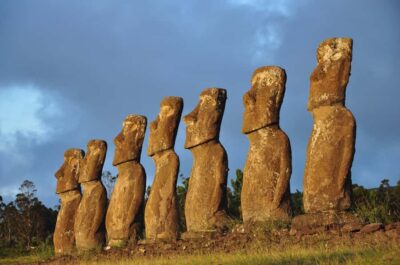
Ahu Tongariki is the largest ahu on Easter Island and the grandest single platform on this route. Fifteen moai are arranged across it, creating the powerful, orderly view most people hope to see on Rapa Nui.
The scale is easy to underestimate in photographs. In person, the platform gives the moai a strong collective presence. Instead of seeing one statue at a time, you see an entire ceremonial line, with the figures placed together as ancestors and symbols of community authority.
The tour allows two hours here according to the published schedule. That is generous if the purpose is only to take pictures, but useful if your guide is explaining the ahu, the restoration work, the statues’ original purpose, and the forces that damaged the site.
Tongariki is also a good place to compare restoration with Akahanga. At Akahanga, the statues remain fallen. At Tongariki, the figures have been returned to a formal arrangement. Seeing both in one day gives you a clearer sense of what changed across Rapa Nui and why the surviving platforms look so different.
Because the tour is private, you can ask your guide to explain the details that interest you most. If you are curious about construction, ceremony, warfare, or modern preservation, say so early. A private format is only as useful as the questions you bring to it.
A few more trips around Hanga Roa worth a look
- Sunrise Tongariki: Sunrise at Tongariki Park Private Tour
★ 4.5 · 47 reviews - Private Santiago City Half Day Tour
★ 4.0 · 414 reviews - Private Transfer from Santiago Airport to Santiago
★ 4.0 · 330 reviews - Private Tour: Viña del Mar and Valparaíso Tour with Wine Tasting in Casablanca Valley
★ 4.5 · 188 reviews
Te Pito Kura and the navel of the world
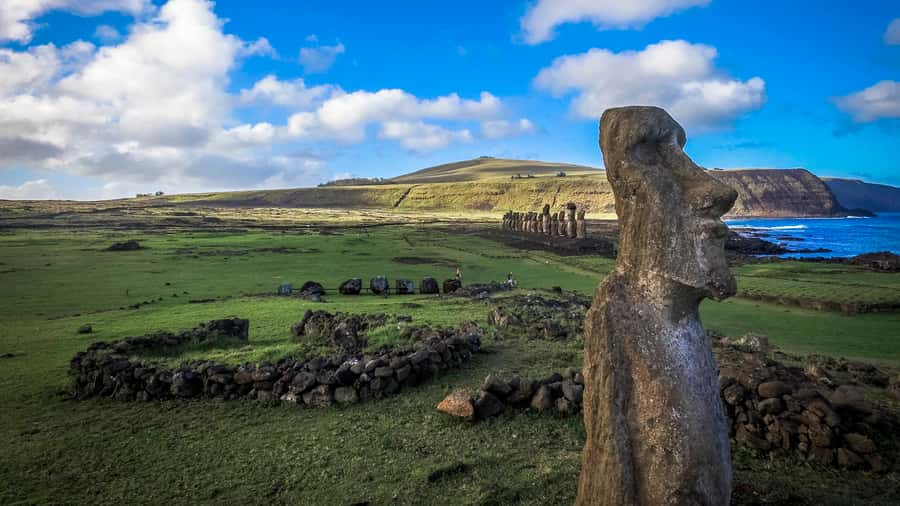
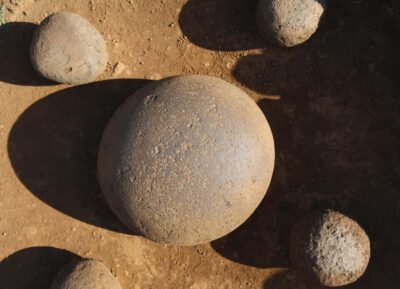
Ahu Te Pito Kura offers a smaller but memorable stop. The site includes Paro, described as the island’s highest statue, along with a large spherical stone known as Te Pito or Te Henua, the navel of the world.
According to Rapa Nui tradition, the stone was brought to the island on the boat of Hotu Matua. The story gives the site a different character from the quarry and the large platforms. Here, the interest is not just the size of the statue but the belief and symbolism attached to the stone.
The stop is scheduled for 30 minutes. That should be enough to see the main features and hear the explanation, though you will not have the same walking time as at Rano Raraku. I would treat Te Pito Kura as a focused pause between the larger sites, not as a full archaeological visit.
It is also a useful reminder that Easter Island’s heritage includes stories and sacred meanings, not only engineering puzzles. Listen for how your guide presents legend alongside archaeology. The best explanations leave room for both cultural tradition and modern interpretation.
Anakena Beach and Ahu Nau Nau
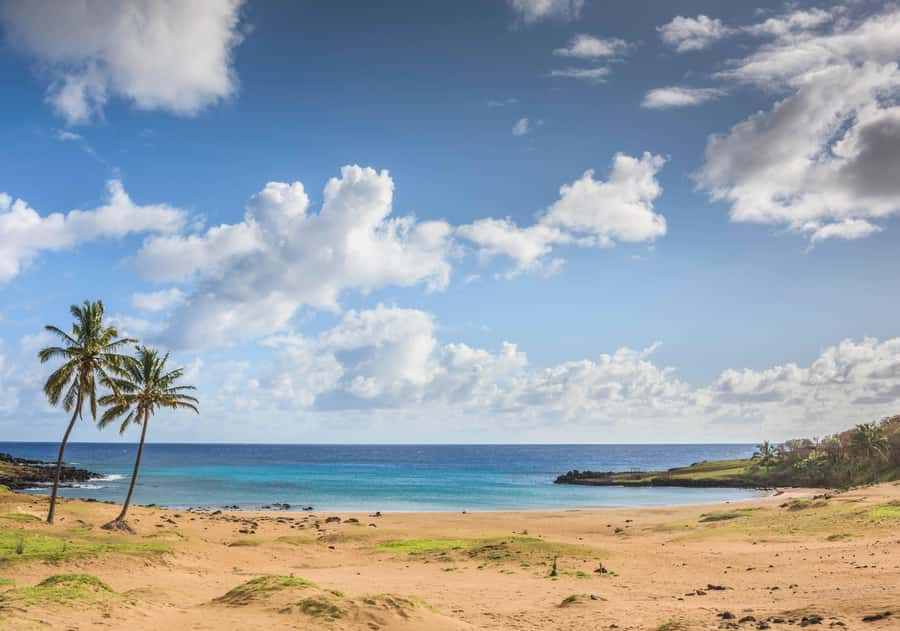
Anakena brings a welcome change from stone platforms and volcanic slopes. It is a white-sand beach associated with the arrival of Ariki Hotu Matua and his sister Avareipua, and it gives the final part of the day a more open, relaxed feel.
The archaeological highlight is Ahu Nau Nau, an ancient complex with five moai. Several have pukao, the red stone topknots placed on the heads of some statues. Petroglyphs on the backs of the figures add another layer of detail, so take time to look beyond the front view.
Anakena is especially effective at the end of the route because it links settlement, ceremony, tradition, and natural beauty. The island is not only a field of statues. It also has beaches and places tied to the earliest Rapa Nui stories.
The scheduled 1.5 hours should give you time to see Ahu Nau Nau and enjoy the setting. Food and drinks are not included, so check your plans for the day rather than assuming refreshments are provided. The tour ends with a return to your Hanga Roa hotel.
What the private guide adds
The guides are central to this experience. The most useful feedback about the tour has focused on guides who are punctual, engaging, funny, and able to explain cultural values in a way that makes you think rather than simply memorize facts.
Sol has been praised for informative storytelling and an engaging manner. Hugo was noted for connecting Rapa Nui with wider cultural questions, including links with Japan and the effects of overtourism. Miguel received strong marks for professional organization and accessible explanations, while Yoyo was described as friendly, humorous, and generous with relevant details. Isa was also praised for making the day feel special.
You cannot choose among these guides based on the information provided, and guide assignment may vary. Still, the pattern is useful: this tour is best for someone who values conversation and interpretation, not just transport between photo stops.
If you have particular interests, bring them up at the start. Ask about the moai carving process, the meaning of pukao, the fallen figures at Akahanga, the stories tied to Hotu Matua, or how Rapa Nui life continues today. A private group gives you room to shape the discussion.
Timing, weather, and walking
The tour lasts about six hours according to the main activity details, but the stop-by-stop schedule suggests a longer day. Confirm the exact timing before you pay, especially if you have a flight, another reservation, or limited time on the island.
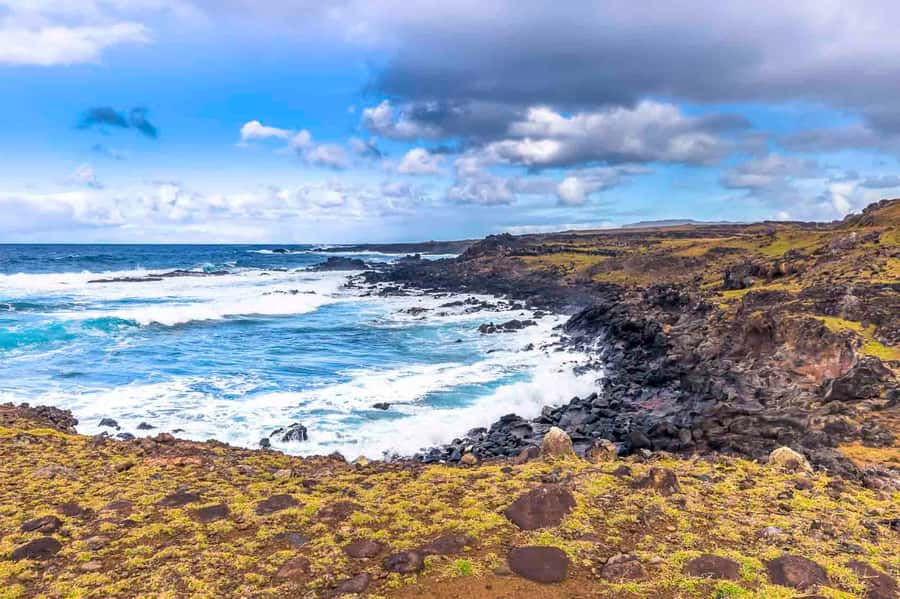
Weather can change the feel of the experience. One person described enjoying the tour even in pouring rain, which is a useful warning rather than a promise. You should bring warm clothing and comfortable shoes. The sites are outdoors, and Rano Raraku in particular involves walking over uneven ground.
This is not a good choice for people with mobility impairments or wheelchair users. The information provided does not describe accessible paths or vehicle adaptations, so do not assume that the archaeological sites can be reached without walking.
Cruise ship passengers cannot book this activity. Pickup is offered from hotels in Hanga Roa, making it intended for people staying on the island rather than for a short port call.
The tour is offered in English or Spanish. Cancellation is free up to 24 hours before departure, and you can reserve now and pay later, which helps if your island plans are still shifting.
Is this the right Easter Island tour for you?
I would choose this tour if you want to cover the island’s key moai sites with a private guide and prefer cultural explanation over a simple sightseeing drive. Rano Raraku alone makes the route worthwhile, while Tongariki, Akahanga, Te Pito Kura, and Anakena give you a fuller picture of Rapa Nui.
The cost is reasonable for a private vehicle and guide, but remember the separate $80 entrance fee and the cost of food. I would also confirm the real duration because the published six-hour length does not match the detailed stop times.
Book it if you have a full day available, can walk comfortably, and want the freedom to ask questions. Skip it if you need wheelchair access, are visiting only from a cruise ship, or prefer a short tour focused on one or two sites. For most people staying in Hanga Roa, this is a strong choice for seeing the island’s essential moai sites in one well-organized outing.
FAQ
Where does the tour begin and end?
Pickup and drop-off are provided at your hotel in Hanga Roa.
How long does the tour last?
The activity is advertised as six hours, though the listed guided stop times add up to more than six hours. Confirm the exact schedule with the operator.
Which moai sites are included?
The route includes Ahu Akahanga, Rano Raraku Quarry, Ahu Tongariki, Ahu Te Pito Kura, and Ahu Nau Nau at Anakena Beach.
Is the tour private?
Yes. Transportation is provided in a private vehicle for a private group with a professional guide.
Are entrance fees included?
No. Entrance fees cost $80 per person and are separate from the $200 tour price. Food and drinks are also not included.
Is the tour suitable for cruise ship passengers or wheelchair users?
No. The tour is not available to cruise ship passengers and is not suitable for wheelchair users or people with mobility impairments.
Just added around Hanga Roa
- Volcanic Refuges: Excursion to Underground Civilization★ 4.7 · 8 reviews
- Two days of Full Day Tour of Rapa Nui + Sunrise in Tongariki★ 4.8 · 55 reviews
- Sunrise Tongariki: Sunrise at Tongariki Park Private Tour★ 4.5 · 47 reviews
- Rapa Nui: Polynesian Massage★ 4.8 · 5 reviews
- Rapa Nui: 3 Excursions with Hotel Transfers★ 4.3 · 6 reviews
- Rapa Nui Highlights Program: 3 incredible tours to discover!★ 4.8 · 18 reviews
- Rapa Nui Dreams: Experiencie Pack 3 Days★ 4.7 · 32 reviews
- Hanga Roa: Full Day Moai and Mistery★ 4.4 · 22 reviews
Easter Island & Moai Tours, compared.
Two days of Full Day Tour of Rapa Nui + Sunrise in Tongariki
Read our review →
Browse the lists this tour appears in