
Reviewed · EASTER ISLAND & MOAI TOURS
Rapa Nui Dreams: Experiencie Pack 3 Days
Rapa Nui is not a place you want to rush through. This three-day package takes you from the famous 15 moai at Ahu Tongariki to volcanic craters, caves, beaches, and a traditional curanto meal with dance and prayers. It gives you the broad sweep of the island, not just a quick stop at the postcard sites.
I like two things right away: the small group limit of 15 keeps the outings more personal, and the sunrise at Tongariki gives you a quiet, memorable start to the final day. The main caution is time. Anakena can feel rushed, pickup may take up to an hour, and one poorly staffed day has caused problems for at least one booking.
Key points at a glance
- Ahu Tongariki at sunrise: Watch dawn arrive behind 15 moai, with the route dependent on weather.
- Two full touring days: Cover Rano Raraku, Orongo, Anakena, Ahu Akivi, Vinapu, Vaihu, Akahanga, and several caves.
- Ancestral curanto evening: See local food prepared in a traditional ceremony, followed by a buffet, Rapa Nui dance, and prayers.
- Small group format: Groups are limited to 15, with English or Spanish guiding.
- Useful included transport: Transfers cover activities and accommodation in central Hanga Roa.
- Budget to add: Rapa Nui National Park entry is not included and costs about 80,000 Chilean pesos. Lunches are also extra.
Why this three-day plan works on Rapa Nui
The smart idea here is range. Rapa Nui, also called Easter Island, is small enough to cross by road but packed with places that deserve time. One day focuses on the eastern and northern coast, another links volcanic sites and inland ahu, and the last begins before dawn at Tongariki.
That matters because the island is not only about seeing moai. You also want to understand how the statues fit into ceremonies, villages, caves, food traditions, and the island’s natural setting. This program gives you several ways into that story.
The package costs $375 per person. That is not a bargain-basement price, but it includes three days of transport, a certified local guide, the curanto program, buffet dinner, cultural performance, and the sunrise outing. If you tried to arrange every transfer and guided visit separately, the convenience could make the price worthwhile.
Still, check what you are paying for. Park admission is extra, lunches are not included, and accommodation itself is not listed as part of the package. You should also confirm your pickup details before each outing.
More moai and Rapa Nui trips around Hanga Roa
- From Hanga Roa: Rapa Nui Culture Sightseeing Tour
★ 4.6 · 307 reviews - From Hanga Roa: Easter Island Highlights 2-Day Tour
★ 4.3 · 205 reviews - From Hanga Roa: Journey from Orongo to Ana Te Pahu
★ 4.3 · 75 reviews
Day one, moai quarries and the north coast
The first full day is the big moai circuit. You visit Vaihu, Akahanga, Rano Raraku, Ahu Tongariki, Te Pito Kura, Ahu Nau Nau, and Anakena.
Vaihu and Akahanga help set the scene before you reach the island’s most famous sites. These places show the remains of ceremonial platforms and fallen statues, giving you a useful contrast with the restored moai at Tongariki. You see that Rapa Nui is not one polished archaeological park. It is a collection of places with different states of preservation and different moods.
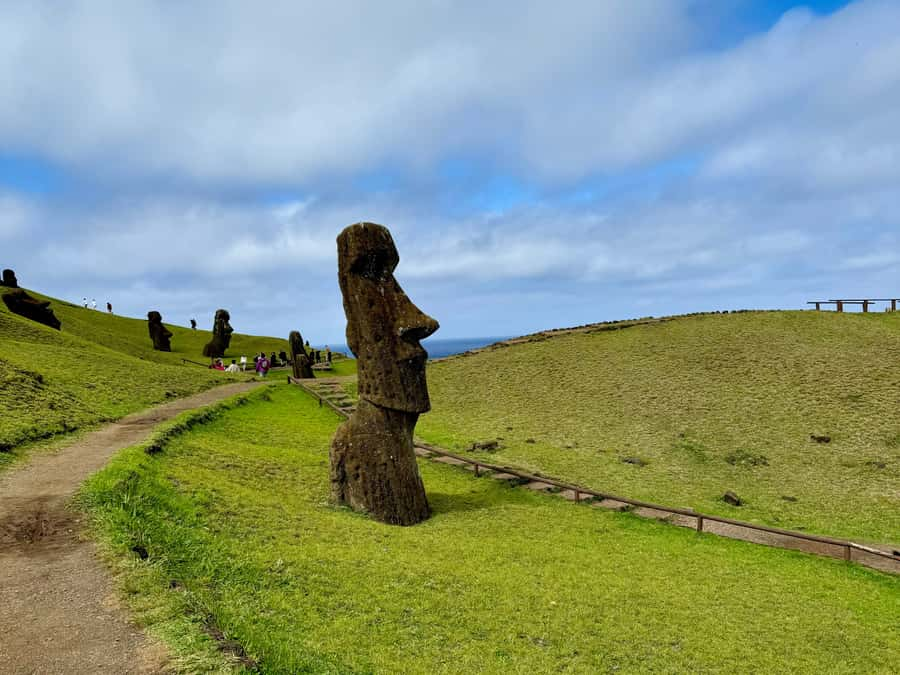
Rano Raraku is the major stop. This volcanic quarry is where many of the moai were carved. The site is valuable because you can connect the finished statues on the coast with the work that took place farther inland. The scale of the quarry also helps explain why moai production was such a major undertaking.
Your guide matters most here. A good explanation can turn a field of stone into a readable chapter of Rapa Nui history. Esteban, one of the guides associated with this experience, has been praised for fluent English and for making the moai easier to understand. Guide quality may vary by departure, so English speakers should confirm their language needs when booking.
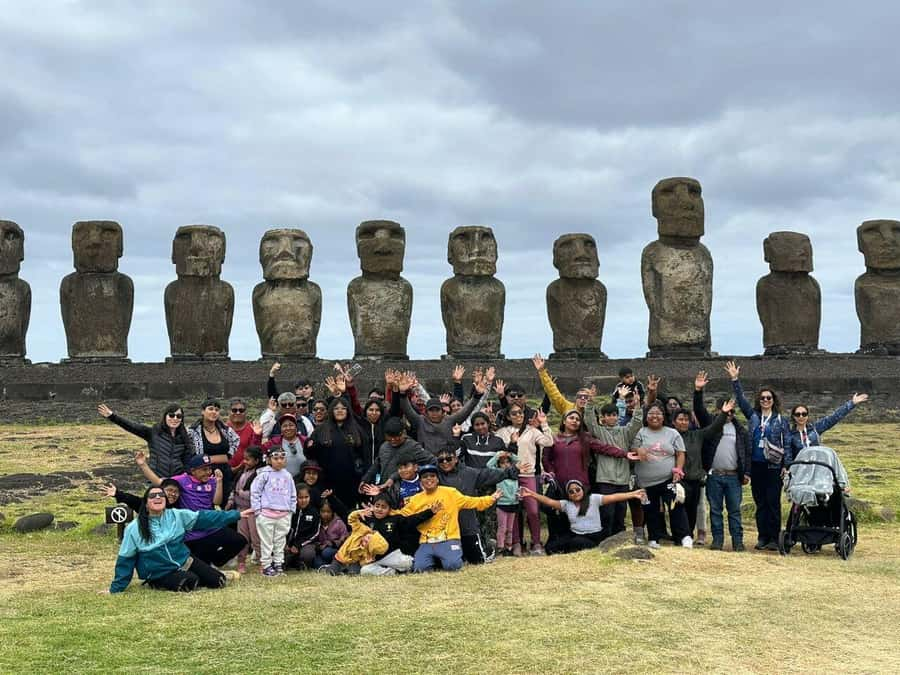
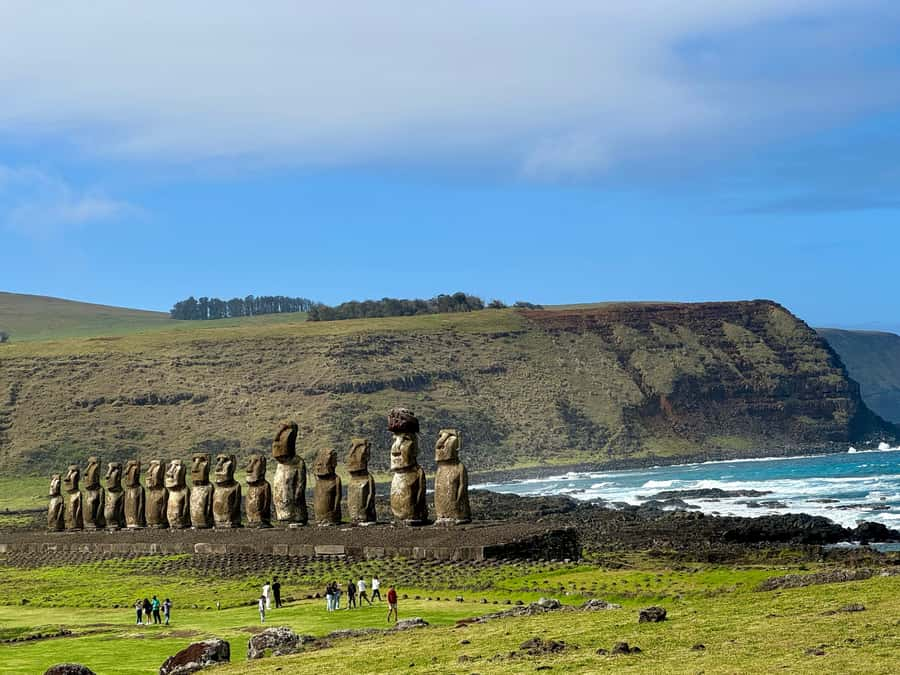
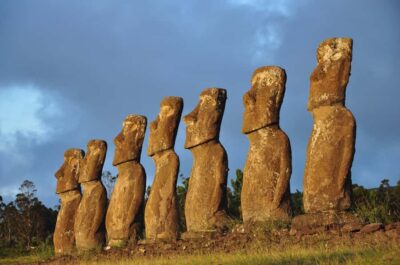
Ahu Tongariki is the visual centerpiece. Fifteen moai face inland from a broad ceremonial platform, with the sea and volcanic hills behind you. You visit it during the daytime circuit and return before dawn on the final day, which gives you two very different views of the same place.
Te Pito Kura adds another important stop, while Ahu Nau Nau leads you toward Anakena. At Anakena, you get the unusual pairing of moai and beach. The setting is beautiful, but the time allowed here may feel short. Plan to focus on the platform, the statues, and the shore rather than expecting a slow beach visit.
You should bring sunscreen, water, comfortable clothing, and rain gear. Rapa Nui has a rainy subtropical climate, so a bright morning does not guarantee a dry afternoon.
Day two, crater views, birdman sites, and caves
The second full day visits Rano Kau, Orongo, Vinapu, Ahu Akivi, Ana Vai Teka, Ana Tapa Iri, Ana Ohoka, and Ana Te Pahu.
Rano Kau is one of the island’s strongest natural sights. Its broad volcanic crater gives you a change of scale after the moai sites. Orongo, near the crater, connects the setting to the birdman ceremonies and the island’s ceremonial past.
Vinapu offers another look at stonework and ceremonial platforms. Then the route shifts to Ahu Akivi, notable for its inland location and line of moai. This variety is useful: you are not simply visiting one coastal platform after another.
The caves are a major reason to choose this package over a short highlights tour. Ana Vai Teka, Ana Tapa Iri, Ana Ohoka, and Ana Te Pahu bring you into a less polished side of Rapa Nui. These are natural spaces tied to the island’s geology and human use, and they require more attention to footing and trail limits.
One important practical point: cave visits have not always gone exactly as planned. A disrupted outing once missed the advertised caves, and an alternative snorkeling activity was offered instead. That replacement may be enjoyable, but it is not the same as seeing the sites you selected the tour for. Ask about trail and cave conditions if these stops are a priority.
The activity is not suitable for people with mobility impairments. The package also lists altitude sickness as a concern, though most of the island’s sites are not high-altitude destinations in the usual mountain sense. If you have a medical concern, ask the provider before booking rather than relying on the general description.
The Tongariki sunrise, the finest early start
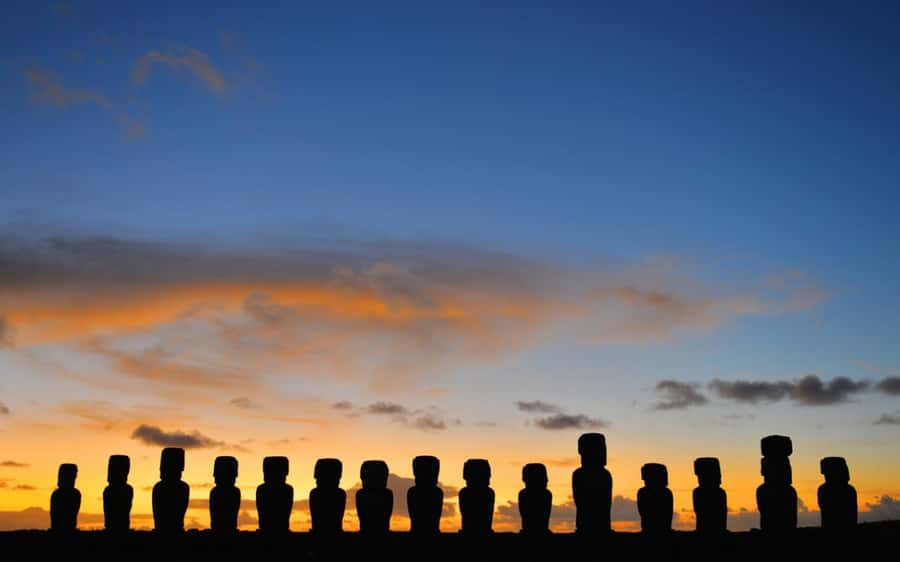
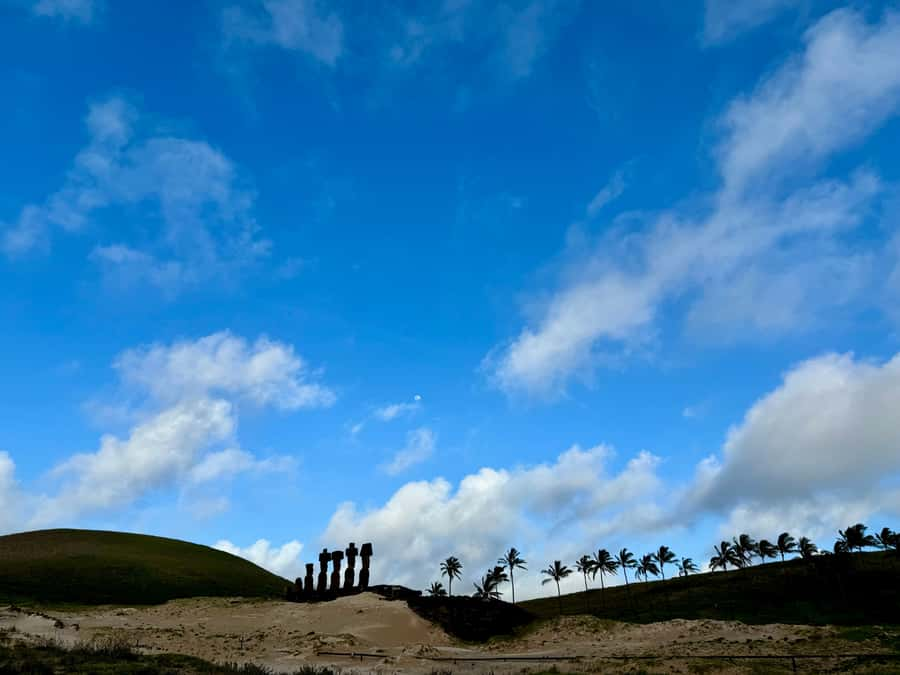
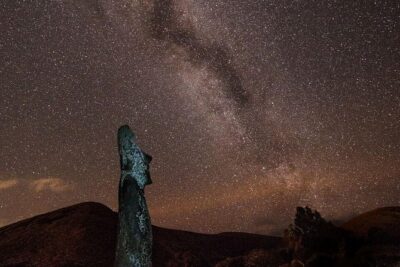
The final outing begins at dawn at Ahu Tongariki. You arrive in time to see the sun rise behind the 15 moai, weather permitting.
This is one of the most worthwhile parts of the schedule. The light changes quickly, and the quiet setting gives you time to look closely at the silhouettes, platform, and surrounding volcanic country. The experience finishes around 9 a.m., leaving much of the day free.
That late finish is a practical bonus. You can use the rest of the day to rest, revisit Hanga Roa, or follow up on a missed activity if the operator offers a replacement. You will need to accept an early start, but this is the kind of early morning that earns its alarm clock.
The route is subject to weather. Rapa Nui’s conditions can shift, so keep your plans flexible. Bring a camera, warm or rain-ready layers, and sunscreen even if the sky looks cloudy.
A few more trips around Hanga Roa worth a look
- San Pedro de Atacama: 3-Day Activity Combo with 4 Tours
★ 4.6 · 247 reviews - Unique 3-Day Tour in San Pedro de Atacama
★ 4.5 · 43 reviews - 5 Fantastic Tours in the Atacama Desert in 3 Days
★ 4.4 · 17 reviews - 4 TOUR IN ATACAMA IN 3 DAYS
★ 4.6 · 12 reviews
Curanto, local food, dance, and prayer
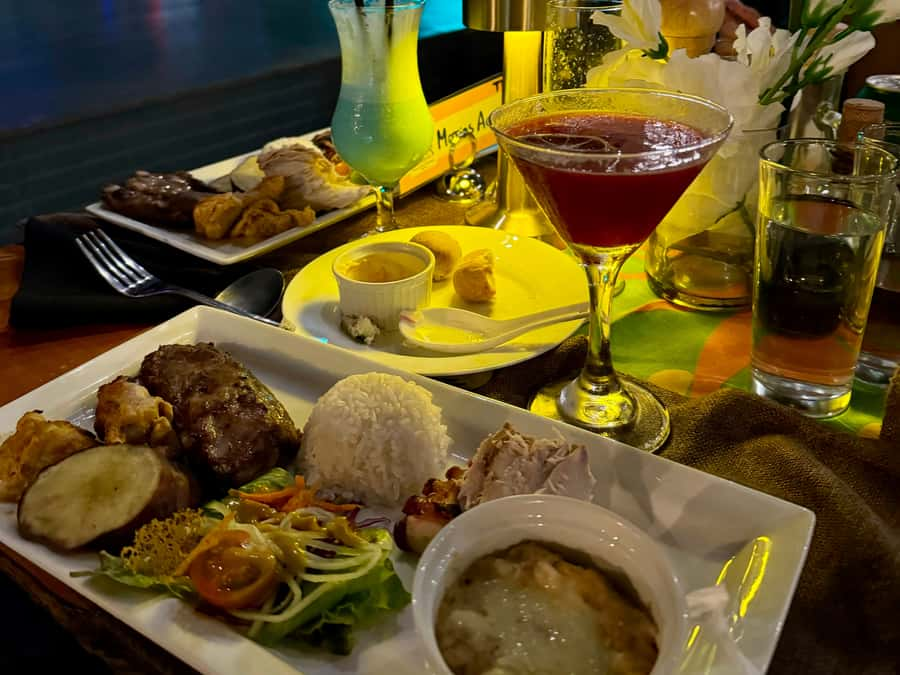
The evening curanto is the cultural heart of the package. You are introduced to local products and the preparation of food in a traditional cooking ceremony. Dinner is served buffet style, with choices such as chicken and ribs. Drinks are not included.
The value here is not only the meal. Watching food preparation gives you a more direct connection to daily island life than another viewpoint or photo stop would. The evening also includes Rapa Nui dance and ancestral prayers, adding a ceremonial side to the visit.
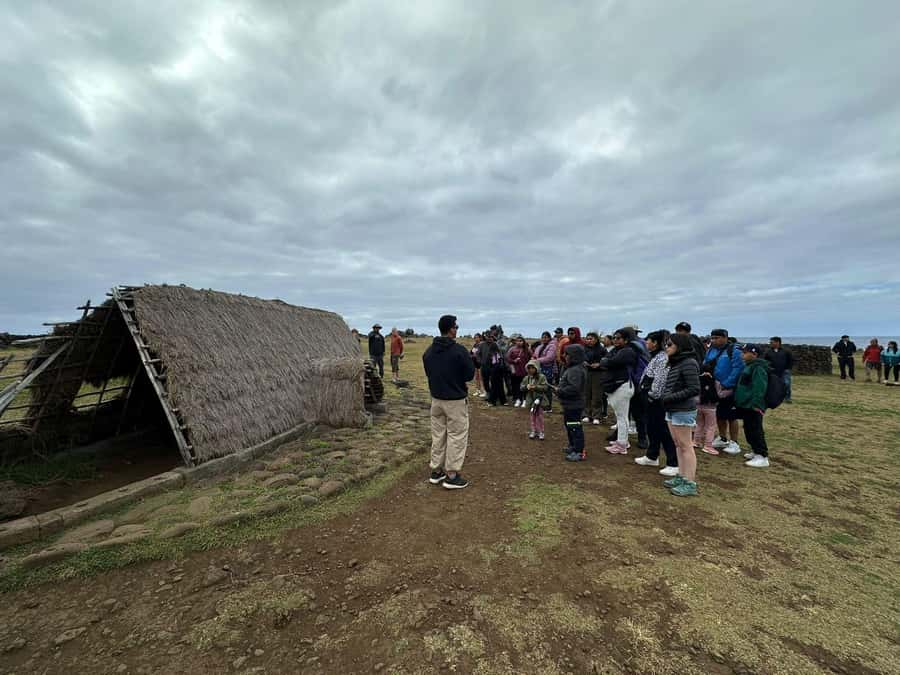
Keep your expectations practical. This is a cultural presentation built for a tour group, not a private village gathering. Yet it still gives you a chance to encounter local traditions in a structured setting, especially useful if you have only a few days on the island.
The curanto evening can also be affected by major island events. During Tapati Festival, the scheduled dinner and show was cancelled for one booking, and the provider arranged another activity instead. That shows flexibility, but you should understand that cultural events may change with local calendars and conditions.
Guides, vehicles, and the pace of the days

Transport is included for the activities, with pickup from accommodations in the central sector of Hanga Roa. You wait at the entrance 10 minutes before pickup. The exact time is sent through WhatsApp, and the pickup process can take about an hour because several people may be collected.
That flexibility is useful, but it can test your patience. One serious delay of two hours on the first day came without clear communication, followed by a last-minute guide who did not speak English. The operator later offered an alternative activity, and the other days were better organized. I would treat this as a reminder to keep your first morning loose rather than scheduling a flight, meal, or paid activity too close to the tour.
On the positive side, communication through WhatsApp has been prompt on many departures, and the provider offers 24-hour contact with a travel agent. Do not assume that means instant answers every minute, but it is reassuring when weather or pickup plans change.
The English and Spanish language options are helpful, especially on a program where the guide’s explanations add real value. The best experience will come when your guide can explain the moai, ceremonies, and sites rather than simply point out locations.
Is $375 a fair price?
For three days, $375 per person can be reasonable if you want a ready-made plan. You get transport, guiding, major archaeological sites, caves, a sunrise outing, and the curanto program. The small group cap also helps prevent the outings from feeling like a large coach excursion.
The cost looks less attractive if you already have a rental car, prefer to explore independently, or mainly want the famous moai sites. In that case, a shorter tour plus a separately arranged cultural show might suit you better.
Add the national park fee of about 80,000 Chilean pesos. You also need to budget for lunches, drinks at dinner, and anything outside the scheduled program. Since accommodation is not listed as included, confirm that separately.
For me, the value rests on two things: how much you want interpretation, and how important the caves and cultural evening are to you. If you want the island explained as you go, the package earns its keep. If you prefer a slow, self-guided pace, three packed days may feel too fixed.
Who should book this experience?
I would choose this package if you have limited time on Rapa Nui and want to see the major sites without organizing each transfer yourself. It suits first-time visitors who want both archaeology and local culture, especially those who value a guide and prefer a small group.
It is less suitable if you need guaranteed timing, dislike early mornings, or want long, unhurried stops. Anakena may feel brief, pickup can run late, and weather or local events can alter the plan.
Pack light but smart: sunscreen, rain gear, comfortable clothes, a camera, and patience. Follow trail limits, do not feed animals, and do not leave litter. Respect for the island is part of having a good visit here.
Should you book the Rapa Nui Dreams three-day package?
Book it if you want a well-rounded first visit with major moai sites, volcanic sites, caves, a Tongariki sunrise, and a traditional food ceremony. The strongest parts are the broad itinerary, helpful guides such as Esteban, included activity transport, and the chance to see Tongariki in both daylight and dawn.
Think twice if you need perfect punctuality or want to linger at every stop. Before paying, confirm the pickup area, guide language, park fee, accommodation arrangement, and the status of the curanto evening. With those details clear, this is a practical way to cover much of Rapa Nui in three busy but worthwhile days.
FAQ
How long does the Rapa Nui Dreams experience last?
The experience lasts three days. The Tongariki sunrise outing finishes around 9 a.m. on the third day.
What is included in the itinerary?
The program includes two full-day excursions, the Tongariki sunrise route, an ancestral curanto ceremony, buffet dinner, Rapa Nui dance, ancestral prayers, activity transportation, and a local certified guide.
Is the Rapa Nui National Park entrance fee included?
No. Park entry is not included and costs approximately 80,000 Chilean pesos.
Are meals included?
The curanto evening includes a buffet dinner with foods such as chicken and ribs. Lunch is not included, and drinks are extra.
Where does pickup take place?
Pickup is included for accommodations in the central sector of Hanga Roa. You should wait at the entrance 10 minutes before pickup.
What languages are available?
The tour is offered with live guiding in English and Spanish.
Can I cancel or pay later?
You can cancel up to 24 hours in advance for a full refund. Reserve now and pay later is available, so you do not need to pay at the time of booking.
Just added around Hanga Roa
- Volcanic Refuges: Excursion to Underground Civilization★ 4.7 · 8 reviews
- Two days of Full Day Tour of Rapa Nui + Sunrise in Tongariki★ 4.8 · 55 reviews
- Sunrise Tongariki: Sunrise at Tongariki Park Private Tour★ 4.5 · 47 reviews
- Rapa Nui: Polynesian Massage★ 4.8 · 5 reviews
- Rapa Nui: 3 Excursions with Hotel Transfers★ 4.3 · 6 reviews
- Rapa Nui Highlights Program: 3 incredible tours to discover!★ 4.8 · 18 reviews
- Hanga Roa: Full Day Moai and Mistery★ 4.4 · 22 reviews
- Ahu Vinapu, Rano Kao and Orongo City Half-Day Tour★ 4.6 · 20 reviews
Easter Island & Moai Tours, compared.
Two days of Full Day Tour of Rapa Nui + Sunrise in Tongariki
Read our review →
Browse the lists this tour appears in