
Reviewed · EASTER ISLAND & MOAI TOURS
Rapa Nui Highlights Program: 3 incredible tours to discover!
Rapa Nui’s most powerful sights are not gathered in one easy cluster. This two-day program connects the island’s great moai platforms, volcanic craters, ceremonial sites, and beaches, including Rano Raraku, where hundreds of statues were carved.
I like the way the three tours cover both famous places and less familiar sites such as Ahu Uri Aurenga and Puna Pau. I also like the small-group limit of 15, plus the reliable pickup and clear guiding reported by guests who toured with Jaime, Ugo, and other guides. The main consideration is that food, drinks, and the National Park ticket cost extra, and the agency’s final pickup communication may arrive later than you expect.
Key points to know before booking
- Three tours cover the island’s major archaeological sites: Ahu Akivi, Orongo, Rano Raraku, Tongariki, Te Pito Kura, and Anakena are all included.
- The schedule uses two half-days and one full day: Ahu Akivi and Orongo are half-day outings, while Anakena and Rano Raraku take a full day.
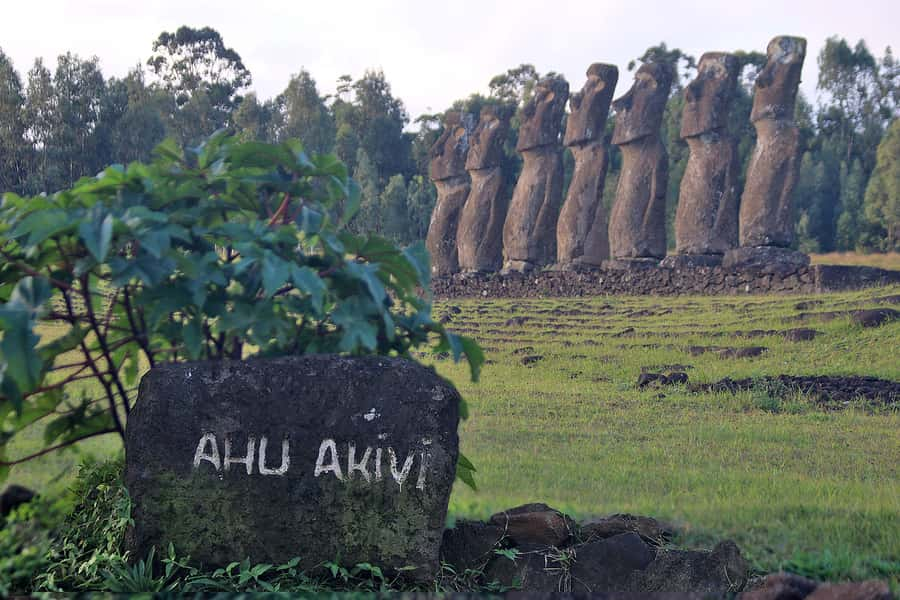
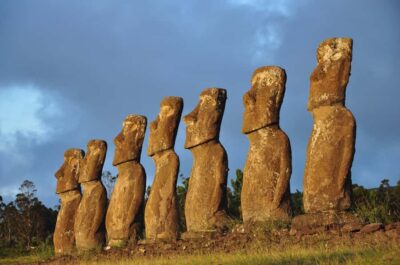
- The seven moai at Ahu Akivi face the ocean: This is one of the island’s most unusual statue platforms.
- Rano Raraku is the sculpting center of the program: You can see 397 moai remaining on the volcano’s slopes.
- Guides speak English or Spanish: Named guides Jaime and Ugo have been praised for clear explanations and strong knowledge of island culture.
- The $220 price is strongest for visitors who want broad coverage: You still need to budget for the National Park ticket, meals, and drinks.
Why this two-day plan works well on Rapa Nui
Rapa Nui is small enough to cross by road, but its important sites are spread around the coast and interior. A self-guided visit can easily become a string of names and photo stops. This program gives each area a cultural story, which matters here because the stones alone cannot explain the customs, astronomy, ceremonies, and political life behind them.
The plan combines three outings: Ahu Akivi with Puna Pau and Tahai, Orongo with Vinapu and Rano Kau, and a full-day circuit through the island’s east and north. The stated price is $220 per person, a fair proposition if you want transport and a guide for the major sites over two days.
I would treat the ticket as a coverage package rather than three separate excursions. The full-day route reaches several headline locations that are difficult to group efficiently on your own, while the half-day tours leave room for other plans around them.
The company uses small groups capped at 15 people. That is large enough to keep the price in check but small enough for a guide to explain details without addressing a crowd. Pickup is from your hotel, and you are asked to wait in the lobby 10 minutes before departure.
More moai and Rapa Nui trips around Hanga Roa
- From Hanga Roa: Rapa Nui Culture Sightseeing Tour
★ 4.6 · 307 reviews - From Hanga Roa: Easter Island Highlights 2-Day Tour
★ 4.3 · 205 reviews - From Hanga Roa: Journey from Orongo to Ana Te Pahu
★ 4.3 · 75 reviews
Ahu Akivi, Puna Pau, and the island’s unusual astronomy
The Ahu Akivi half-day begins with one of Rapa Nui’s most striking arrangements: seven moai looking toward the ocean. The statues are traditionally linked with seven explorers sent by King Hotu Matu’a before the colonization voyage. Your guide can place the site within the wider story of settlement and sacred platforms, rather than leaving you with only the familiar image of giant stone figures.
Ahu Akivi is also important because many moai elsewhere face inland. Here, the ocean-facing position gives the site a different feeling and makes it easy to see why orientation matters in Rapa Nui culture.
The route continues to Puna Pau, a small crater made from red volcanic slag. This was the source of the pukao, the red headpieces placed on some moai. The crater helps you understand that the statues and their headpieces came from different parts of the island, requiring careful movement of very heavy stone.
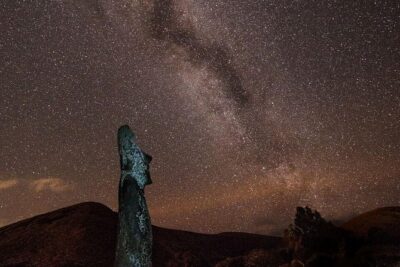
Ahu Uri Aurenga offers a more specialized stop. It has one statue and is aligned with the winter solstice. That alignment marked the beginning of the season known as tonga and helped regulate fishing and other activities through a system of restrictions. The platform also faces east, with nearby hills and smaller ahu forming part of its wider alignment.
This is a good example of why a guide adds value. Without explanation, Ahu Uri Aurenga may appear modest beside the island’s larger platforms. With the astronomical and seasonal context, its single statue becomes the focus of the stop.
The included description also lists Tahai with the Ahu Akivi outing. Tahai is one of the island’s well-known ceremonial areas, so confirm the exact order and timing with the local operator. The half-day format gives you a concentrated introduction without using a full day.
Vinapu, Rano Kau, and the Birdman ceremony
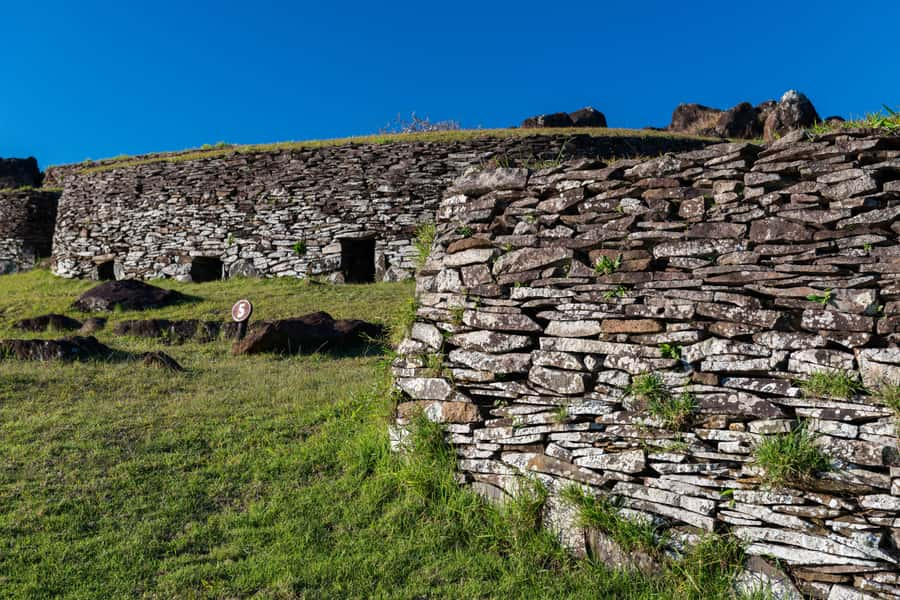
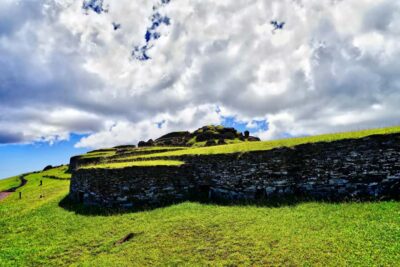
The Orongo half-day begins at Vinapu, an archaeological area known for large basalt slabs fitted closely together. The construction is often compared with the stonework of Machu Picchu. You should treat the comparison as a visual aid rather than assuming the sites share the same builders or purpose. The important point is the precision of the stone fitting and the distinctive character of the platform.
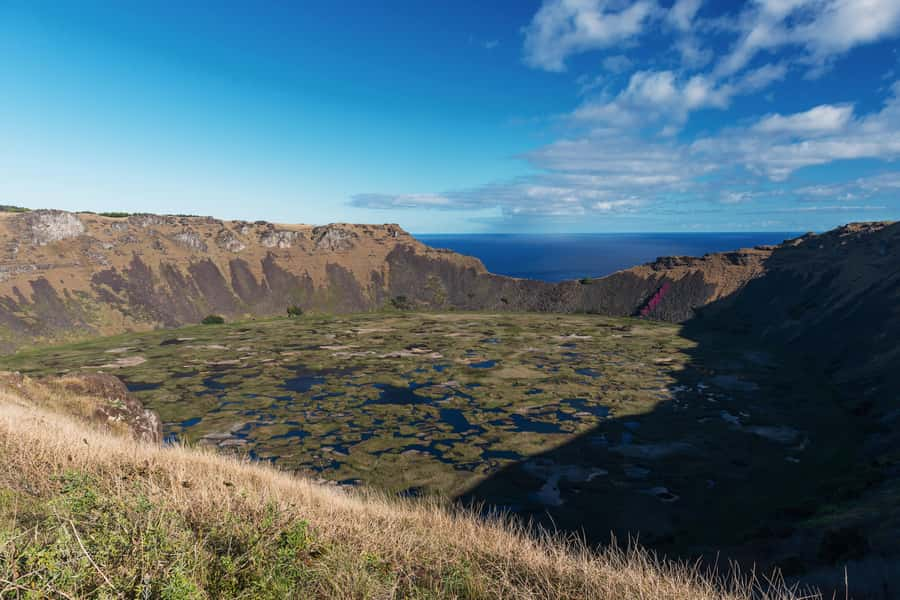
From Vinapu, the route climbs toward Rano Kau. This volcanic crater contains a lake with small reed-covered islands, along with plant life and small forms of lake wildlife. The crater gives you one of the program’s best changes of scenery, moving from worked stone to a broad volcanic basin.
The final stop is Orongo, the ceremonial village associated with the Birdman contest. This was one of Rapa Nui’s major ritual traditions, and the setting makes the ceremony easier to picture. Orongo sits beside the crater and looks toward the offshore islets linked with the contest.
I like this half-day because it provides a different side of Rapa Nui. The Ahu Akivi trip focuses on moai, platforms, and astronomy. Orongo adds ceremony, competition, volcanic geography, and political power. Taken together, the two shorter outings avoid making the entire program feel like one long statue survey.
The practical drawback is that both are half-day tours, so the exact start times matter. The activity listing asks you to check availability, and the days of operation are specific. Ahu Akivi and Orongo are listed for Mondays, Wednesdays, and Fridays, while the Anakena route is listed for Tuesdays, Thursdays, and Saturdays. Check the calendar before booking flights or adding other activities.
Rano Raraku and the unfinished moai
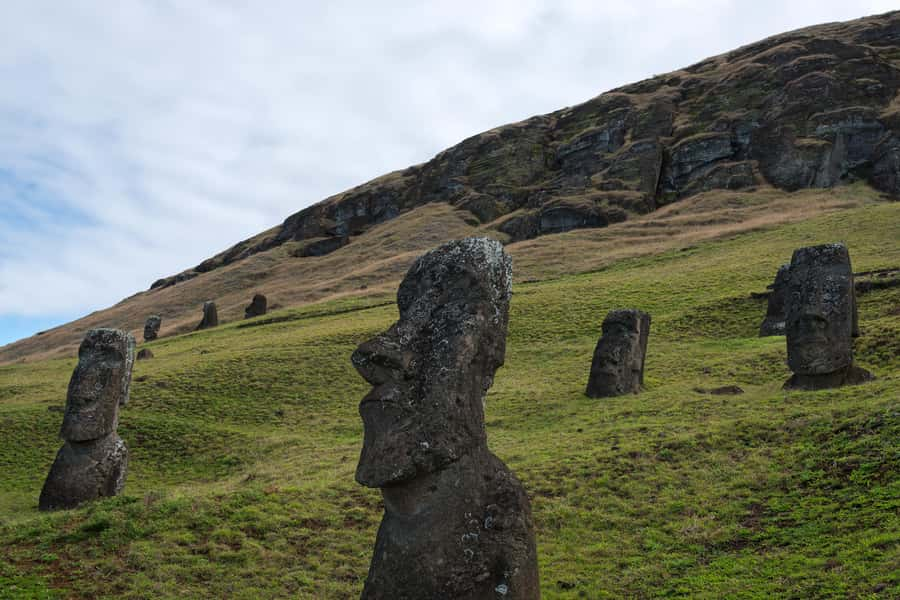
The full-day Anakena route is the centerpiece of the program. It moves through several platforms before reaching the island’s great moai quarry, then continues to the largest ceremonial platform and finishes at Anakena beach.
The first stops are Ahu Vaihu and Ahu Akahanga. These are temple areas built around stone platforms where moai and pukao were gathered. Their importance comes partly from seeing the statues in relation to the ahu, rather than as isolated objects in a museum-like setting.
Then comes Rano Raraku, a volcanic crater made from consolidated ash. This is where the moai were carved on the slopes of the volcano. The site contains a lagoon and 397 remaining statues, making it one of the most memorable stops on the island.
Rano Raraku rewards time and explanation. Some statues remain connected to the rock or appear unfinished, offering a direct look at the carving process. You can see that moai production was not a single event but a major undertaking tied to the island’s social and ceremonial life.
The route continues to Ahu Tongariki, the largest and most dramatic platform in the program. Fifteen huge moai line the ahu. This is the place where scale becomes difficult to grasp in photographs. The line of statues gives you a clear sense of how much labor and organization went into these monuments.
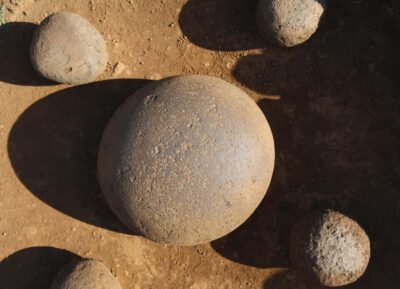
The day also includes Te Pito Kura, home to Moai Paro, described as the largest statue ever erected on an ahu. It measures 10 meters and weighs 85 tons. Nearby is a large round stone called Te Pito o Te Henua, identified as the navel of the world.
These stops are close in theme but not repetitive. Rano Raraku shows where statues were made. Tongariki shows them arranged on a major platform. Te Pito Kura focuses on size and symbolism. The guide’s commentary helps you connect those pieces instead of seeing them as unrelated stone sites.
A few more trips around Hanga Roa worth a look
- Two days of Full Day Tour of Rapa Nui + Sunrise in Tongariki
★ 4.8 · 55 reviews - Sunrise Tongariki: Sunrise at Tongariki Park Private Tour
★ 4.5 · 47 reviews - Rapa Nui Dreams: Experiencie Pack 3 Days
★ 4.7 · 32 reviews - Easter Island: Full-Day Tour to Anakena
★ 4.7 · 27 reviews
Anakena beach ends the day on a gentler note
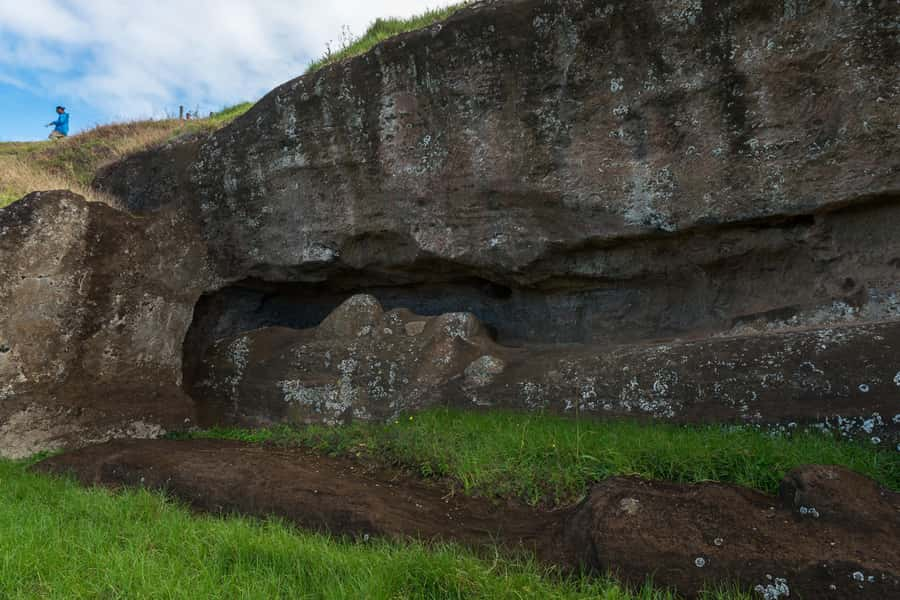
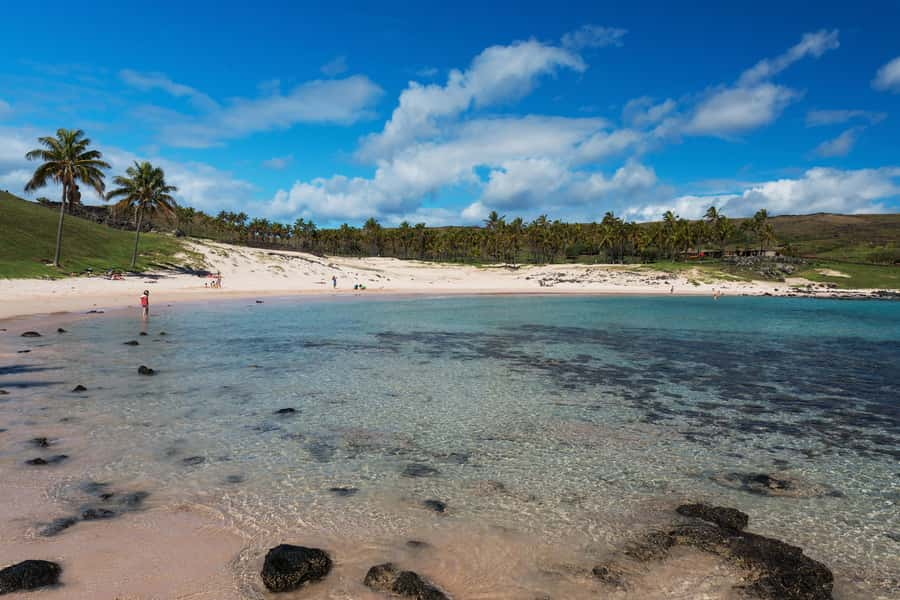
After the quarry and platforms, Anakena provides a welcome change. It is the island’s best-known beach, with white sand and the Pacific around it. The setting is memorable because moai stand with their backs to the sea, facing inland toward the community they were meant to protect or honor.
This final stop is not just a rest break. Anakena links natural beauty with ceremonial life, which is one reason the full-day outing feels varied. You get volcanoes, archaeological sites, massive statues, open ocean, and sand in one route.
You should plan for a long day. The itinerary covers many sites, and the full-day schedule leaves less flexibility than the half-day outings. Food and drinks are not included, so bring or arrange what you need through your own hotel or local plans. The provided information does not specify meal stops or exact departure times.
Guide quality and group size
The guide can make a major difference on Rapa Nui. The most useful commentary here concerns the island’s customs, beliefs, archaeological sites, and mysteries, not just dates and measurements. Guides are available in English and Spanish.
Jaime is specifically associated with thorough explanations in both languages and with prompt pickup. Ugo is praised for bringing strong knowledge and passion to the island’s culture during a full-day tour. A German-language guide has also been available for some departures, although language availability should be confirmed when you book.
The group limit is 15 people. One booking described a group of only three, so the actual size may be much smaller on some dates. That can make it easier to hear explanations and ask about details, but you should not assume every departure will be nearly private.
There is one communication point to watch. Pickup was reported as punctual once arranged, but the agency may use contractor guides and may confirm the approximate pickup time later than ideal. If your schedule is tight, contact the operator before the day of the tour and ask for the hotel pickup time.
What the $220 price really includes
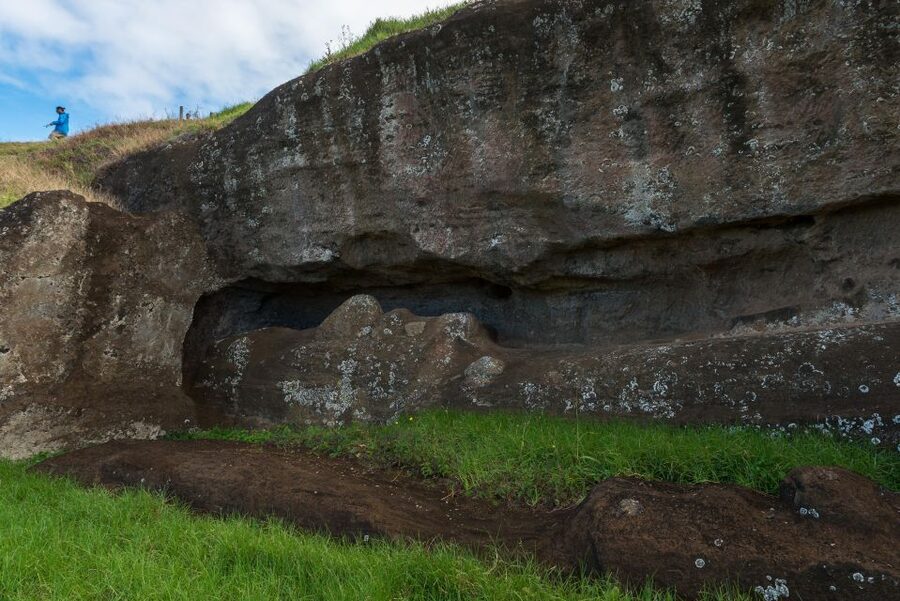
At $220 per person, the package includes three guided experiences over two days, hotel pickup, transportation between the sites, and live commentary in English or Spanish. For a visitor who wants to see the island’s main archaeological areas without organizing several separate outings, that is solid value.
The strongest value comes from the full-day Anakena route. It covers Ahu Vaihu, Akahanga, Rano Raraku, Tongariki, Te Pito Kura, and Anakena, which would require careful planning and reliable transport if you arranged it yourself.
The price does not include the National Park ticket, food, or drinks. Those are not minor details on an island where most of the program takes place outdoors. Add them to your budget before deciding that $220 is the final cost.
Pickup and drop-off are included from your hotel, except at Explora Hotel. Cruise ship passengers are not accepted, and the program is not suitable for wheelchair users or pregnant women according to the stated restrictions.
Free cancellation is available up to 24 hours before the activity for a full refund. You can also reserve now and pay later, which helps if you are still arranging an island itinerary.
Who should book this Rapa Nui program?
I would recommend it to you if this is your first visit to Rapa Nui and you want the major sites explained in a short stay. It suits people who value context, prefer not to arrange island transport, and want both the headline moai platforms and less obvious places such as Ahu Uri Aurenga and Vinapu.
It also works well for couples, families with older children, and small groups who want a planned route without committing to a private guide. The small-group structure gives you a better chance of clear commentary than a large coach tour.
I would hesitate if you want long, unhurried time at each site or total control over your schedule. The full-day route covers a lot of ground, and the half-day outings run on set days. You also need to handle meals, drinks, and the Park ticket separately.
Should you book it?
Book this program if you want efficient coverage of Rapa Nui’s essential archaeological sites in two days, with English or Spanish guidance and hotel pickup. The combination of Ahu Tongariki, Rano Raraku, Orongo, Ahu Akivi, and Anakena gives you a strong introduction to the island’s stonework, ceremonies, astronomy, and natural settings.
Before paying, check that the operating days match your stay, confirm your pickup time, and budget for the National Park ticket and food. If those details fit, the $220 package is a practical way to see the island’s main story without turning your visit into a transport puzzle.
FAQ
How long does the Rapa Nui Highlights Program last?
The program lasts two days and includes three tours: two half-day outings and one full-day outing.
What sites are included in the Ahu Akivi tour?
The Ahu Akivi experience includes Ahu Akivi, Puna Pau, and Tahai. The description also discusses Ahu Uri Aurenga as part of the route.
What sites are included in the Orongo tour?
The Orongo half-day tour visits Vinapu, Rano Kau, and Orongo.
What sites are included in the Anakena full-day tour?
The full-day route includes Ahu Vaihu, Ahu Akahanga, Rano Raraku, Ahu Tongariki, Te Pito Kura, and Anakena.
Which languages are available?
The live tour guide service is available in English and Spanish. German-language guiding has also been available on some departures, but you should confirm this when booking.
Is hotel pickup included?
Yes. Pickup is included from your hotel, and you should wait in the lobby 10 minutes before the scheduled pickup time. Pickup and drop-off are not provided at Explora Hotel.
Is the National Park ticket included in the price?
No. The National Park ticket is not included.
Are food and drinks included?
No. Food and drinks are not included in the $220 price.
How large is the tour group?
The tour is limited to 15 participants, although some departures may have fewer people.
Can cruise ship passengers join this program?
No. The activity is not suitable for cruise ship guests. It is also not suitable for wheelchair users or pregnant women.
Just added around Hanga Roa
- Volcanic Refuges: Excursion to Underground Civilization★ 4.7 · 8 reviews
- Two days of Full Day Tour of Rapa Nui + Sunrise in Tongariki★ 4.8 · 55 reviews
- Sunrise Tongariki: Sunrise at Tongariki Park Private Tour★ 4.5 · 47 reviews
- Rapa Nui: Polynesian Massage★ 4.8 · 5 reviews
- Rapa Nui: 3 Excursions with Hotel Transfers★ 4.3 · 6 reviews
- Rapa Nui Dreams: Experiencie Pack 3 Days★ 4.7 · 32 reviews
- Hanga Roa: Full Day Moai and Mistery★ 4.4 · 22 reviews
- Ahu Vinapu, Rano Kao and Orongo City Half-Day Tour★ 4.6 · 20 reviews
Easter Island & Moai Tours, compared.
Two days of Full Day Tour of Rapa Nui + Sunrise in Tongariki
Read our review →
Browse the lists this tour appears in